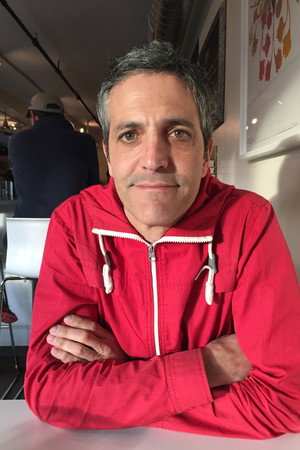
Sam Green Movies, TV Shows, and Filmography

Sam Green
Directing
Biography
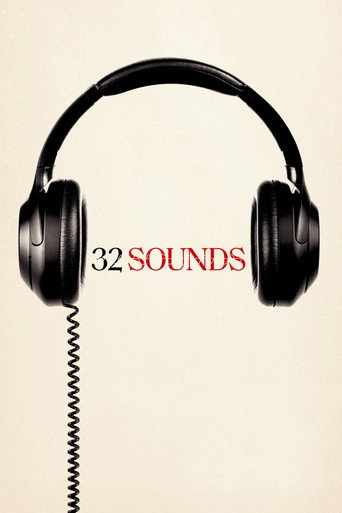
Sam Green (born in 1966; East Lansing) is an American documentary filmmaker. His most recent projects are “live documentaries” including 32 Sounds (2022) with electronic musician JD Samson, A Thousand Thoughts (2018) in collaboration with the Kronos Quartet, The Measure of All Things (2014), and The Love Song of R. Buckminster Fuller (2012), which premiered at the Museum of Modern Art as part of the San Francisco International Film Festival. All four works are performed live, with Green narrating and musicians performing the soundtrack. Green's 2004 film The Weather Underground was nominated for an Academy Award, included in the Whitney Biennial, and broadcast nationally on PBS.
Filmography Movies
Production

Annea Lockwood: A Film About Listening
Sam Green's intimate portrait of Annea Lockwood shares with us a glimpse into the enthralling world of sound that she has been exploring and creating for many years. It is a touching and personal story of imagination and love.
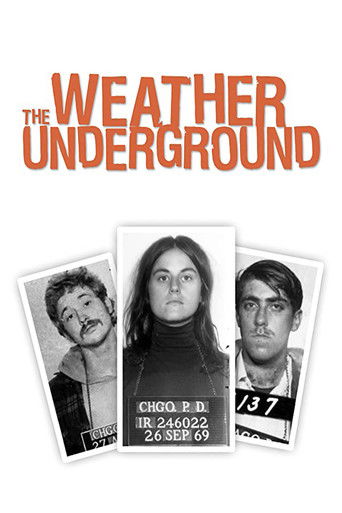
The Weather Underground
The remarkable story of The Weather Underground, radical activists of the 1970s, and of radical politics at its best and most disastrous.
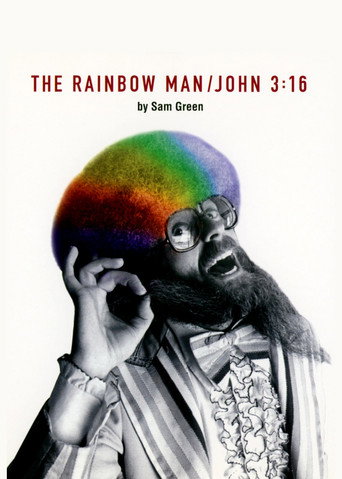
The Rainbow Man/John 3:16
Millions of Americans have seen Rollen Frederick Stewart, a.k.a. "Rainbow Man", who achieved notoriety during the late 70's by appearing in the crowd at thousands of televised sporting events wearing his trademark rainbow-colored afro wig. Later—after he became a born-again Christian—he added a sign reading "John 3:16". Over the years, grabbing the attention of the media became an obsession for Stewart. He abandoned his home and marriage to roam the country living out of his car, studying TV Guide each week in a never-ending quest to stay televised...with tragic consequences.
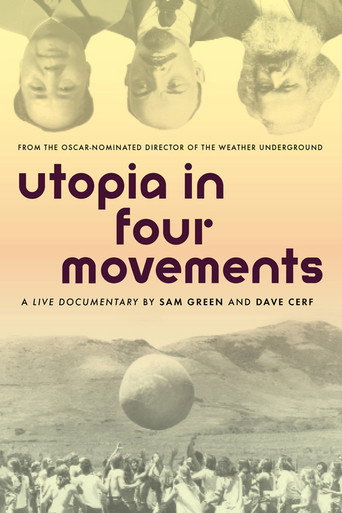
Utopia in Four Movements
Throughout human history, people have had giddy dreams and fantastic notions about what the future would bring. Today the future has become more of a threat than a promise-a knot of intractable problems looming menacingly on the horizon. With a powerful sense of poetry, Utopia in Four Movements uses the collective experience of cinema to explore the battered state of the utopian impulse at the dawn of the twenty-first century.
Utopia in Four Movements
Throughout human history, people have had giddy dreams and fantastic notions about what the future would bring. Today the future has become more of a threat than a promise-a knot of intractable problems looming menacingly on the horizon. With a powerful sense of poetry, Utopia in Four Movements uses the collective experience of cinema to explore the battered state of the utopian impulse at the dawn of the twenty-first century.
Utopia in Four Movements
Throughout human history, people have had giddy dreams and fantastic notions about what the future would bring. Today the future has become more of a threat than a promise-a knot of intractable problems looming menacingly on the horizon. With a powerful sense of poetry, Utopia in Four Movements uses the collective experience of cinema to explore the battered state of the utopian impulse at the dawn of the twenty-first century.
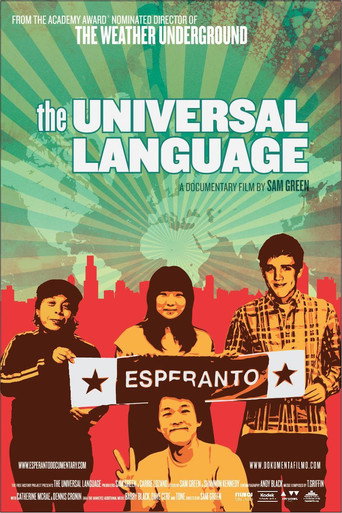
The Universal Language
The Universal Language is a new documentary from Academy Award-nominated director Sam Green (The Weather Underground). This 30-minute film traces the history of Esperanto, an artificial language that was created in the late 1800s by a Polish eye doctor who believed that if everyone in the world spoke a common tongue, humanity could overcome racism and war. Fittingly, the word “Esperanto” means “one who hopes.” During the early 20th century, hundreds of thousands of people around the world spoke Esperanto and believed in its ideals. Today, surprisingly, a vibrant Esperanto movement still exists. In this first-ever documentary about Esperanto, Green creates a portrait of the language and those who speak it today that is at once humorous, poignant, stirring, and ultimately hopeful.
The Universal Language
The Universal Language is a new documentary from Academy Award-nominated director Sam Green (The Weather Underground). This 30-minute film traces the history of Esperanto, an artificial language that was created in the late 1800s by a Polish eye doctor who believed that if everyone in the world spoke a common tongue, humanity could overcome racism and war. Fittingly, the word “Esperanto” means “one who hopes.” During the early 20th century, hundreds of thousands of people around the world spoke Esperanto and believed in its ideals. Today, surprisingly, a vibrant Esperanto movement still exists. In this first-ever documentary about Esperanto, Green creates a portrait of the language and those who speak it today that is at once humorous, poignant, stirring, and ultimately hopeful.
The Universal Language
The Universal Language is a new documentary from Academy Award-nominated director Sam Green (The Weather Underground). This 30-minute film traces the history of Esperanto, an artificial language that was created in the late 1800s by a Polish eye doctor who believed that if everyone in the world spoke a common tongue, humanity could overcome racism and war. Fittingly, the word “Esperanto” means “one who hopes.” During the early 20th century, hundreds of thousands of people around the world spoke Esperanto and believed in its ideals. Today, surprisingly, a vibrant Esperanto movement still exists. In this first-ever documentary about Esperanto, Green creates a portrait of the language and those who speak it today that is at once humorous, poignant, stirring, and ultimately hopeful.
The Universal Language
The Universal Language is a new documentary from Academy Award-nominated director Sam Green (The Weather Underground). This 30-minute film traces the history of Esperanto, an artificial language that was created in the late 1800s by a Polish eye doctor who believed that if everyone in the world spoke a common tongue, humanity could overcome racism and war. Fittingly, the word “Esperanto” means “one who hopes.” During the early 20th century, hundreds of thousands of people around the world spoke Esperanto and believed in its ideals. Today, surprisingly, a vibrant Esperanto movement still exists. In this first-ever documentary about Esperanto, Green creates a portrait of the language and those who speak it today that is at once humorous, poignant, stirring, and ultimately hopeful.
Gallery