Salvatore Adamo Movies, TV Shows, and Filmography
Salvatore Adamo
Acting
Biography
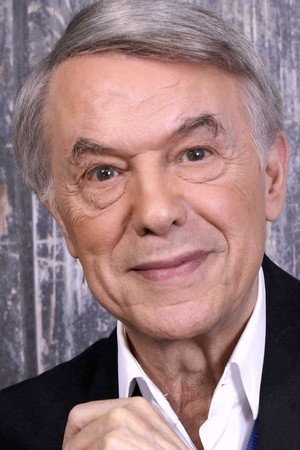
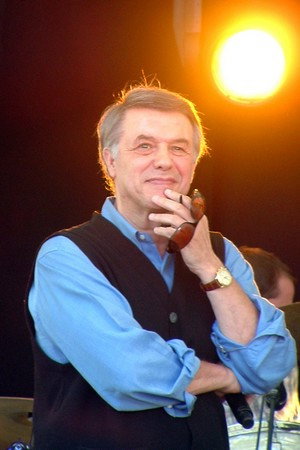
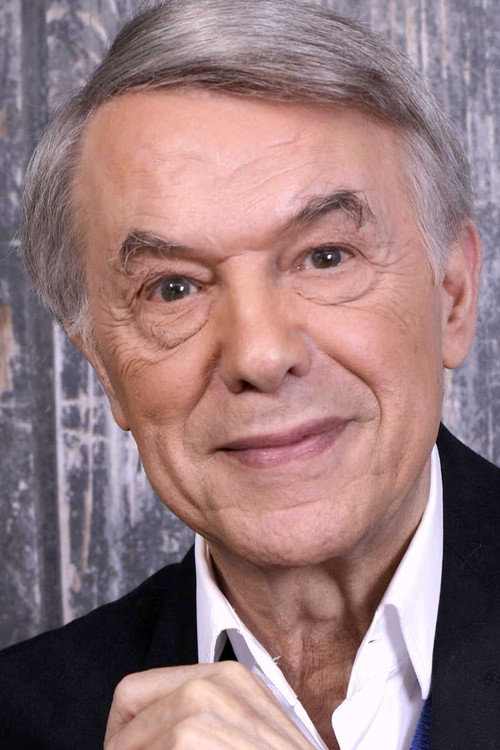
Salvatore Adamo (November 1, 1943) is a Belgian-Italian musician, singer and composer, who is known for his romantic ballads. Adamo was born in Comiso, Sicily, Italy, and has lived in Belgium since the age of three, which is why he has dual citizenship. By the second half of the sixties, Adamo had become the world's second best-selling musician after The Beatles. Through his career, he sold more than 80 million albums and 20 million singles worldwide, making him the best-selling Belgian artist of all time, and one of the most commercially successful musicians in the world. He first gained popularity throughout Europe and later in the Middle East, Latin America, Japan, and the United States. Adamo mainly performs in French but has also sung in Italian, Dutch, English, German, Spanish, Japanese, and Turkish. "Tombe la neige", "La nuit", "Vous permettez, Monsieur?", "Inch'Allah" and "Petit bonheur" remain his best known songs. Since 2001 Adamo holds the Belgian noble title of Ridder, similar to the English title of "Knight". He became an officer of the French Légion d'honneur in 2005 and a Commander in the Order of the Star of Italy in 2015. He was also awarded the Order of the Rising Sun in 2016 for his influence on Japanese popular music. The father of Adamo, Antonio, emigrated to Belgium in February 1947 to work as a colliery worker in the mines of Marcinelle. Four months later his wife, Concetta, and their son, Salvatore, joined him in the town of Ghlin, before moving to Jemappes (Mons). In 1956, Salvatore was bedridden for a year with meningitis. Salvatore's parents did not want their son to become a miner, so he went to a Catholic school run by the Frères des Ecoles Chrétiennes. By 1960, the family of Antonio and Concetta Adamo had seven children overall. Salvatore was a dedicated student at school and distinguished himself in music and the arts. Adamo's early influences were the poetry of Victor Hugo and Jacques Prévert, the music of Jacques Brel and French singer-songwriters like Georges Brassens and Charles Aznavour, and the Italian canzonette. He started singing and composing his own songs from an early age. His debut was in a Radio Luxembourg competition, where he participated as singer and composer of the song "Si j'osais" ("If I dared"), winning the competition's final held in Paris on 14 February 1960. Adamo's first hit was "Sans toi, ma mie", in 1963, from his debut album 63/64. He followed this with a series of hits, the most famous being "Tombe la neige" ("The snow falls") in 1963, "La nuit" ("The Night") in 1964, "Mes mains sur tes hanches" ("My hands on your hips") in 1965 and "Inch'Allah". The self-penned "Petit bonheur" ("Little Happiness") sold over one million copies by April 1970, and was awarded a gold disc. Adamo has sold over 100 million copies of recordings worldwide. He has recorded in many languages and, besides France and Belgium, had hits in Italy, the Netherlands, Germany, Spain, Portugal, Turkey and also in Japan, where he toured repeatedly. He has had hits and toured also in Latin America and throughout the Middle East. ... Source: Article "Salvatore Adamo" from Wikipedia in English, licensed under CC-BY-SA.
Filmography Movies
Acting
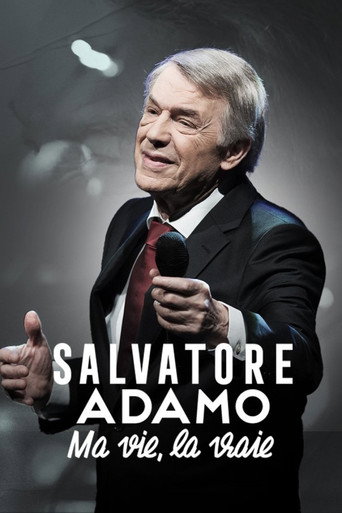
Salvatore Adamo, ma vie, la vraie
He has sold 120 million albums since 1960, that is to say more than 60 years of career and more than 7000 concerts all over the world, but Salvatore Adamo remains humble, concerned about others, his family and his public. Can one write a story with so many good feelings? Without a doubt, he brings to those who follow him always a deep peace and joy. In this documentary, Salvatore Adamo tells the story of his career and his special relationship with his audience. To the sound of his most beautiful melodies, he confides without taboo on his musical journey, his inspirations and his musical and artistic universes in a broad sense.
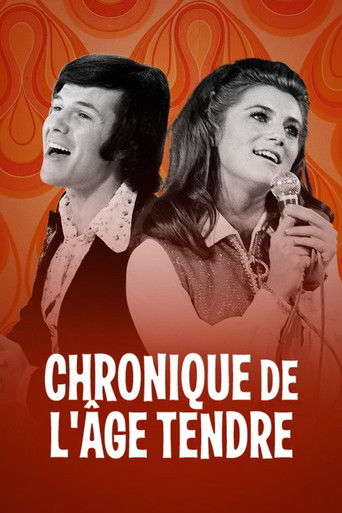
Chroniques de l'âge tendre
This document proposes an immersion in the French society of the 60s and 70s and in the youth of the time with the testimonies and confidences of Sheila, Salvatore Adamo, Antoine, Hervé Vilard, Michel Fugain, Nicoletta, Michel Jonasz, Laurent Voulzy and the photographer Tony Frank. They tell with hindsight and humor, their beginnings in the 60s and 70s, and before becoming idols. It is also an opportunity to leaf through the pages of the successful magazines of the time "Salut les copains" and "Mademoiselle Age tendre". Created by Daniel Filipacchi, they highlighted the idols of the moment, music, fashion, sexuality, consumer objects and questions about society.
Les Enfoirés - Les Enfoirés en chœur de 1985 à aujourd'hui
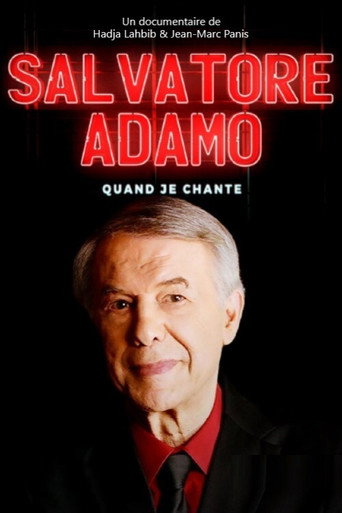
Salvatore Adamo: A Belgian Success Story
A portrait of one of the most successful European singers of all time. Salvatore Adamo arrived in Belgium from Sicily at the age of three. A miner’s son, he began singing at an early age before finding fame at home and then internationally, in the 1960s.
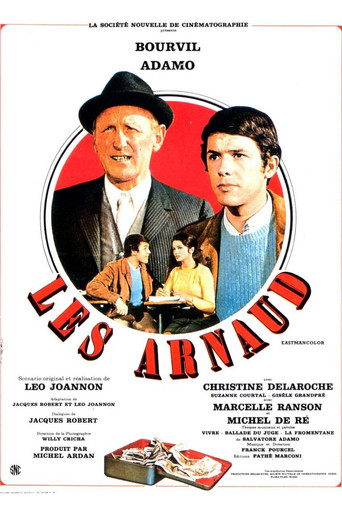
Les Arnaud
In the sunny landscapes of Provence, Henri Arnaud is a conscientious law student who's got a lovely girlfriend, Tina. The person who used to pay for his studies dies and the poor young man's disposable funds are low. He asks an antique dealer if he can lend him some money. This shady guy agrees, but in return for homosexual relations. Henri kills him and runs away. Fortunately, a good judge, who bears the same name as him, comes to his rescue.
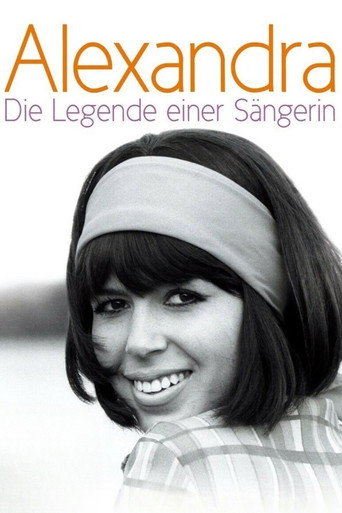
Alexandra – die Legende einer Sängerin
Germany’s rising chanson star Alexandra, known for her dark, smoky voice and haunting hits like “Mein Freund, der Baum”, died in a car crash at 27 in 1969. In just three years she’d tasted fame’s glory and its price: lost privacy, relentless pressure, and creative compromise.
The Comeuppance
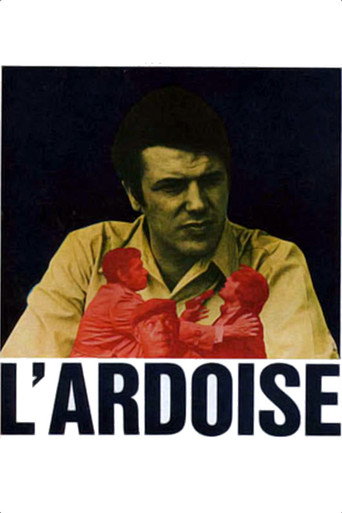
Philippe, Théo and Bob share the same cell in the prison of La Santé. Philippe, a young student, known as "Sciences-Po", is planning revenge against those who sent him to prison. He offers his two fellow prisoners, seasoned mobsters, to help him recover an important document from a diamond dealer in Le Havre. This paper would rehabilitate his father, his two comrades being able to keep the diamonds contained in the safe... But the coup does not go as planned.
Production
Les Arnaud
In the sunny landscapes of Provence, Henri Arnaud is a conscientious law student who's got a lovely girlfriend, Tina. The person who used to pay for his studies dies and the poor young man's disposable funds are low. He asks an antique dealer if he can lend him some money. This shady guy agrees, but in return for homosexual relations. Henri kills him and runs away. Fortunately, a good judge, who bears the same name as him, comes to his rescue.
Les Arnaud
In the sunny landscapes of Provence, Henri Arnaud is a conscientious law student who's got a lovely girlfriend, Tina. The person who used to pay for his studies dies and the poor young man's disposable funds are low. He asks an antique dealer if he can lend him some money. This shady guy agrees, but in return for homosexual relations. Henri kills him and runs away. Fortunately, a good judge, who bears the same name as him, comes to his rescue.
Mineurs
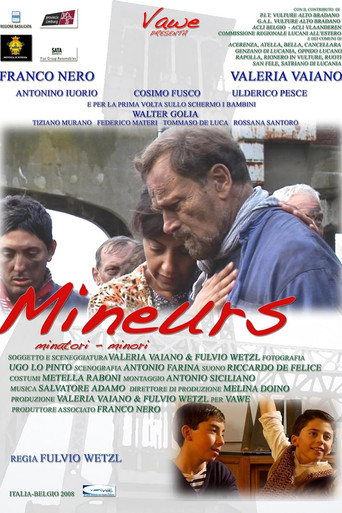
The double meaning in french of film title MINEURS resume the sense of the film: mineurs as children and as mineworkers in the coalmines. Italy, at the beginning of the sixties. In a little village in Lucanie, little region in the south, four children live in a situation of absolute poverty, but with their plays in the street succeed in living in happiness. In the air the menace and, in the same time, the hope of a telephonic convocation by their relatives, already at work in coalmines in Belgie, in the mine district of Limburg. Two of our children leave with their families, to reach the numerous Italian community of Flandres. The children will have a lot of problems, in the school and with the language, to integrate in a hostile ambient, but, at the end the will succeed.
L'île au coquelicot
L'île au coquelicot
Gallery