Salme Reek Movies, TV Shows, and Filmography
Salme Reek
Acting
Biography
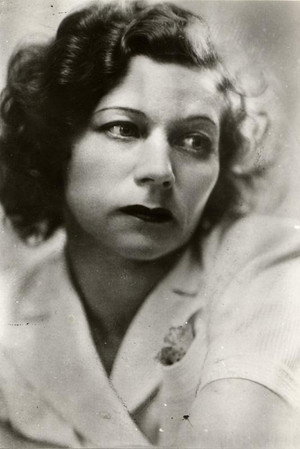
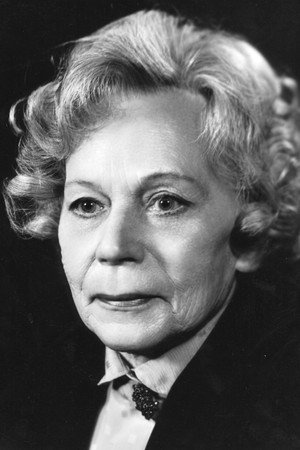
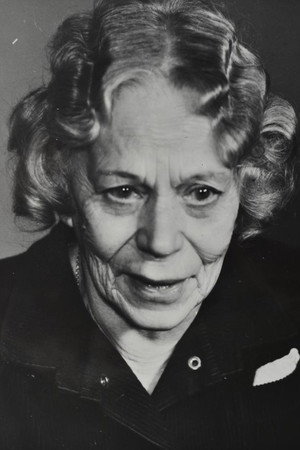
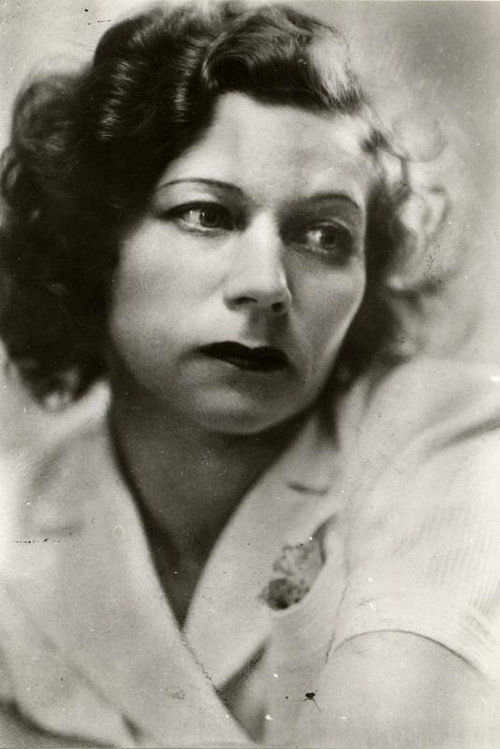
Salme Reek (November 10, 1907 – June 6, 1996) was an Estonian stage, film, radio, and television actress and stage director whose career spanned nearly seventy years; sixty-six of which were spent as an actress at the Estonian Drama Theatre. Salme Helene Reek was the oldest of three siblings born to paper pulp factory worker Juhan Reek and housewife Julia Reek (née Erberg) in Pärnu. Her younger siblings were Hilda (1911–1990), and Oskar (1922–1939) who died at age seventeen. During Reek's early years, the family lived in near-poverty in a one-room apartment on Suur-Kuke Street, later moving into a two-room studio apartment. Both of Reek's parents were keenly interested in music; her father Juhan played the piano and the harmonium and her mother Julia sang as a first soprano in the family's Lutheran church choir. Both parents were also theatre enthusiasts and Reek often attended theatre productions at Pärnu's Endla Theatre during her early childhood. Reek began her primary school studies in Pärnu before the family relocated to Tallinn, then returning to Pärnu approximately four years later. The family subsequently returned once more to Tallinn, where Reek attended secondary school at Tallinn 2nd Girls' Gymnasium (now, Tallinn Kristiine Gymnasium), graduating in 1927. Reek performed well in history and language classes and excelled in gymnastics. Just after graduation in 1927, Reek enrolled in studies at the Drama Theatre Studio School in Tallinn, founded in 1920 by actor and theatre pedagogue Paul Sepp, graduating in 1930. From 1929 until 1933, Reek studied dance with Estonian choreographer and dance teacher Gerd Neggo who, because of Reek's difficult financial situation, taught Reek without charge. Reek made her feature film debut in a small role in the 1969 Soviet-Estonian comedy-drama Hullumeelsus, directed by Kaljo Kiisk for Tallinnfilm. This was followed by the role of Epp in the Kiisk directed drama Tuuline rand in 1971, also for Tallinnfilm. In 1972, she played the role of Amanda in the Veljo Käsper directed and Enn Vetemaa penned World War II drama Väike reekviem suupillile. Reek also appeared in a number of other small roles in films during the 1970s, including the Veljo Käsper directed dramaTuulevaikus in 1971 and the Kaljo Kiisk directed romantic-drama Maaletulek in 1973. In 1976, she made an appearance in the Veljo Käsper directed drama film Aeg elada, aeg armastada. In 1981, Reek appeared in the role of the character Tuiska's wife in the Arvo Kruusement directed period drama Karge meri; a film adaptation of the 1938 novel of the same name by August Gailit about the lives of seal hunters in a small village on the Baltic Sea. In 1984, she appeared in the Helle Karis directed fantasy-family film Karoliine hõbelõng. In 1989, she appeared in the Igor Voznesensky directed Russian language science fiction film Idealnoe prestuplenie, and in 1991 appeared in a small role in another Russian language film, the Aleksandr Polynnikov directed adventure-comedy Obnazhyonnaya v shlyape. Other films include the 1992 Jüri Sillart directed period drama film Noorelt õpitud, the 1992 Lembit Ulfsak directed family-comedy film Lammas all paremas nurgas, and the 1993 Ilkka Järvi-Laturi directed dark comedy Tallinn pimeduses. Throughout her career, Reek also appeared in a number of short films
Filmography Movies
Acting
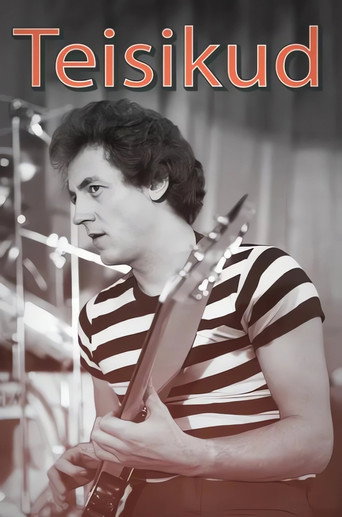
Doubles
A musical comedy about singer Toomas Aringus and rally driver Mati Uibo, whom journalist Tiina Salum considers to be one and the same person due to their external resemblance.
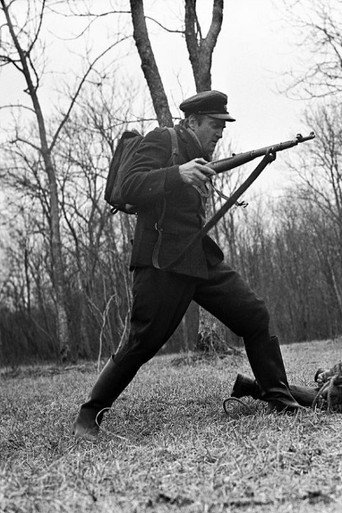
Võsakurat
Peeter Simm's diploma film about a forest-guard and a Kyrgyz Red Army soldier in Estonia during the German occupation.
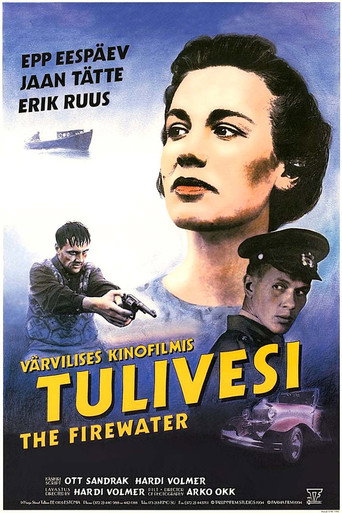
The Firewater
At the end of the 1920-s the Finnish government proclaimed dry law which lasted 12 years. Estonian bootleggers living on the neighboring coast of the Gulf of Finland profited from prohibition......
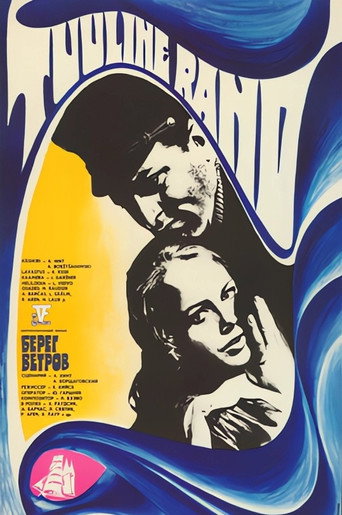
Windy Beach
The coastal people of Kaugatoma set out to build their own ship to earn a living independent of the baron's will. The baron does everything to prevent the venture, but still "Kaugatoma" raises its white sails. Unfortunately, the power of money turns out to be decisive both in the organization of joint activities and in the relations of the strong-natured captain Tõnis Tihu with the community and his loved ones. He abandons Liisu, with whom he has a son, and marries a wealthy widow. As a captain, he has the power to look after the welfare of the sailors, but he thinks more about his own safety. However, the winds of 1905 are already blowing over the sea.
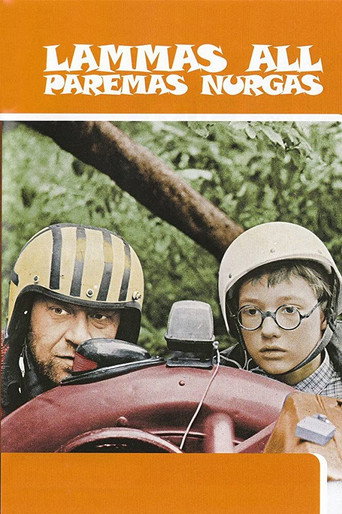
Lamb in the Down Right Corner
A warm movie about two boys, who discover a secret of a painting that was considered to be lost. The adventures begin, when a boss of a bunch of criminals finds out about the painting.
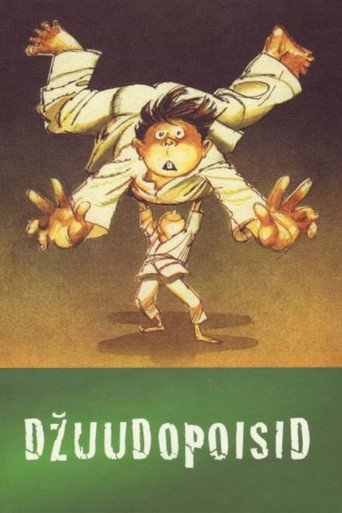
Judo Boys
Estonian tv movie adapted from a children's novel.
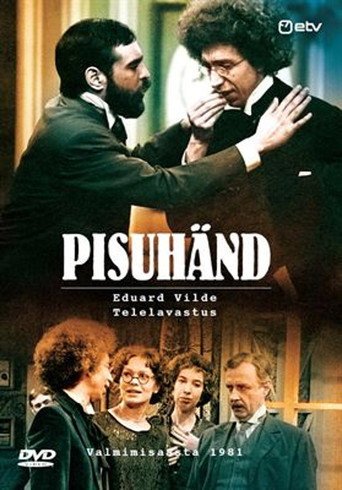
Pisuhänd
Classics of the Estonian plays about how a penniless man can become a millionaire and marry his loving girl.

City Unplugged
In August, 1991, Estonia reclaims its independence from the USSR and brings to its national bank nearly $1 billion in gold bullion hidden in Paris for 50 years. Russian mobsters have a bold plan to hijack the gold after shutting down the capital's power at midnight
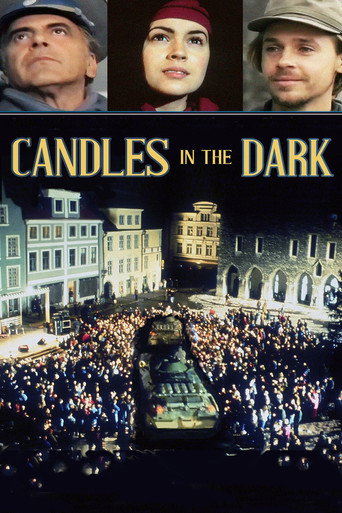
Candles in the Dark
Candles in the Dark is the story of a girl who comes to visit her father's homeland, the Soviet Republic of Estonia. After she arrives, she finds that her father is part of the dissident anti-soviet underground. She soon find her self engulfed in the struggle with her father and a lot of new friends, and finds herself being hunted by the KGB.
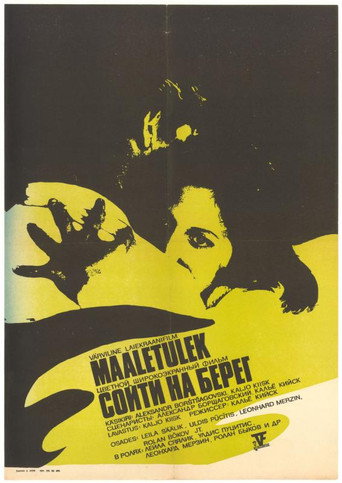
Landing
Reet loves her long-distance coxswain husband Rein, but the long separations have tortured her. It seems to her that the man cares more about his work than about her. Rein really loves his work, but his wife just as passionately. He does not understand how loneliness can overwhelm Reet, when women have always been waiting for men from far away. Their family friend Mart loves Reet and cannot see her suffer. It is in Marti's power to offer Reet a safe life, and the woman plagued by internal struggles makes a choice, but happiness seems to slip even further away.
Gallery