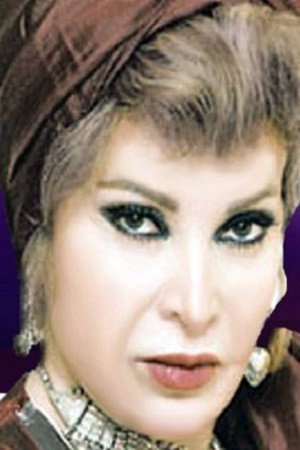
Safia ElEmary Movies, TV Shows, and Filmography

Safia ElEmary
Acting
Biography
No biography available.
Filmography Movies
Acting

The Night of the Carnival
Spanning one day, the film takes place in a “Muled” (An Islamic saint's day celebration), following the curious and intertwined stories of a variety of different characters living nearby, working invisiting the Muled.

The Widow and The Devil
The rich widow Hanan frequently visits the shop where Lubna works, which plans with her lover Atef to blackmail Hanan. Hanan gives them a room attached to the villa garden to get married. Atef succeeds in seducing Hanan into his love, Lubna rebels against them, so Atef claims to kill her and hides her body in a deserted place, a telephone woman threatens her to report the police about the crime to blackmail her.
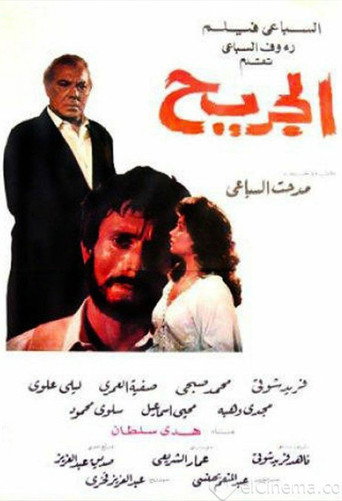

Bokra Ahla Men El-Naharda
Nemat (Lebleba) is a girl searching for her mother who has been away from her for fifteen years and has traveled to Casablanca. Nemat is upset with her father Afifi Bey (Ahmed Mazhar) who does not want to help her, so she decides to return to Egypt to get her mother's inheritance. She meets Ahmed (Hatem Zulfikar) who invites her to dinner. While they are eating, they meet Najaf (Safiya Al-Omari) and Khashaba (Abdel Moneim Madbouly), the show artists, who we discover are related to Ahmed and are a group of swindlers.
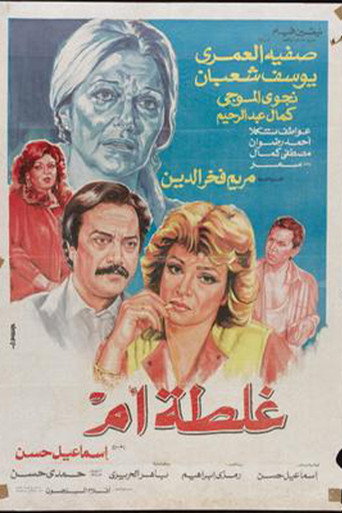
Ghalta Umm
Firdaws married a poor young man and gave birth to a child. Her husband died. She married again to a rich man and left her child with a poor family. Firdaws traveled with her husband for a long time. After her return, she went to meet her son and found that the house had been destroyed. After a while, Firdaws received a letter from a young man telling her that he was her son and that the woman who raised him had explained the truth to him before she died.
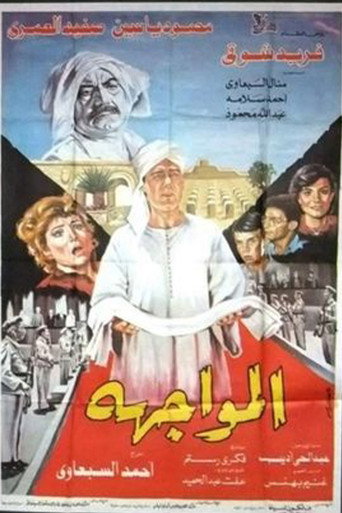
Confrontation
Mahmoud leaves his town after offering his shroud to stop the bloodbath between his family and another family. The dispute began when Mahmoud met Salim, the chief of the Hawara, who has complete control over the town. Salim wanted to buy the share of his brother's widow, Atiyat, who refuses to sell. Mahmoud sympathizes with her against Salim, who is subjected to an attempted murder by some of the locals, so Mahmoud protects him with his pampering among the locals. Salim's son assaults Mahmoud's daughter, Fatima, and then kills her. He accuses Atiyat's brother of the crime, and Salim demands revenge and justice, and seeks to achieve it himself, but a surprise occurs that changes the course of events.

Spirit of Survival
Police General Hemat demolishes the psychology of rebellious youth, by using sergeant Abbas who tortures political prisoners including Dr. Shawki. When Shawki is released, Abbas's condition deteriorates after his drug addiction. His wife Nour calls Dr. Shawki without knowing that he is one of his victims.
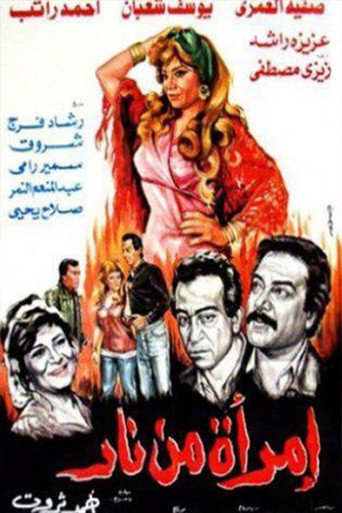
Imra'a Min Nar
The plumber Sayed covets marrying the orphan girl Loza. The drug smuggler Zaghloul succeeds in recruiting Loza into the gang. He pretends to love her and opens a clothing store for her. She travels repeatedly to bring goods from Port Said without knowing his true nature. She gets involved in a relationship with him and her sister throws her out, so she lives with him in the house. When she discovers the truth about his work, she joins him.
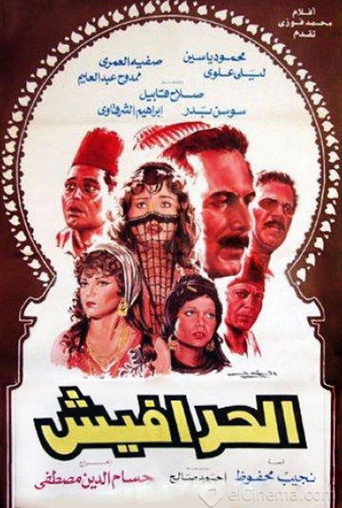
Al-Harafish
Tensions rise in the house of Suleiman Al-Nagy, the defender of the weak, because his son's wife, Radwana, fell in love with his other son Khider. When Radwana's husband Bark finds out, he accuses his brother of betraying him and tries to kill him but Khider denies the accusation and escapes.

The Emigrant
The biblical tale of Joseph is told from an Egyptian perspective in this interesting character study. In this film, Joseph is called Ram. Ram, tired of his family's backward superstitious life, and tired of being picked on by his brothers, wants to go to Egypt to study agriculture. His brothers travel with him across Sinai, but then suddenly sell him to Ozir, an Egyptian who works for a Theban military leader, Amihar. Amihar is impressed by Ram's drive and personal charm and so grants Ram some desolate land outside the capital. Ram soon finds himself a pawn in the political and sexual games between Amihar and his wife Simihit, a high priestess of the Cult of Amun.
Gallery