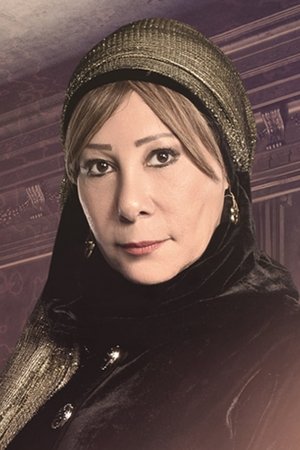
Safaa Al Toukhy Movies, TV Shows, and Filmography
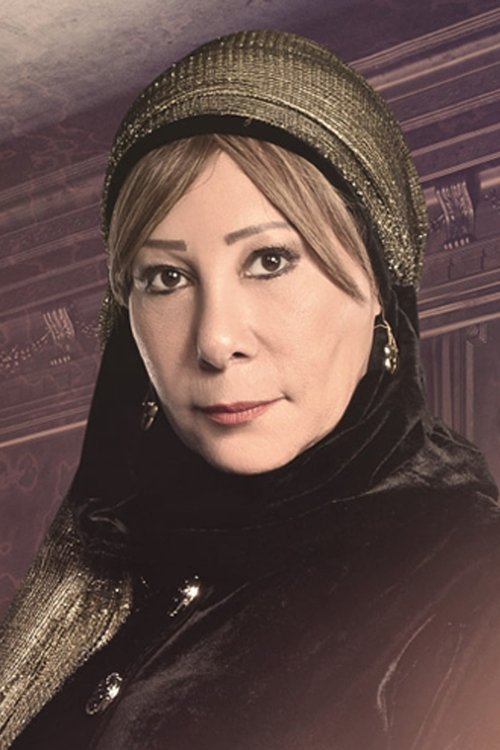
Safaa Al Toukhy
Acting
Biography
Actress Safaa El Tokhi (full name Safaa Abdallah Mohammed El Tokhi) was born in Cairo on February 8, 1964. El Tokhi comes from an artistic family; her father Abdallah El Tokhi and mother Fatheya El Assal are famous writers. Safaa El Tokhi studied at Higher Institute of Dramatic Arts from which she graduated with a Bachelor’s Degree in 1985. At the beginning of her career, Safaa El Tokhi worked as a writer, and in 1995 worked at the Institute of National Culture. Safaa El Tokhi began her acting career in 1979 with the television serial The Researcher; even though she was trained as a stage actress, she only acted in one play The Drunken Days in 1999. She acted in several films, among them The Difficult Time, The Emigrant, and Bekhit and Adila. From Safaa El Tokhi’s most famous television performances are El Helmyia Nights, Mahmoud El Masry and The Case of Public Opinion with the star, Yousra.
Filmography Movies
Acting
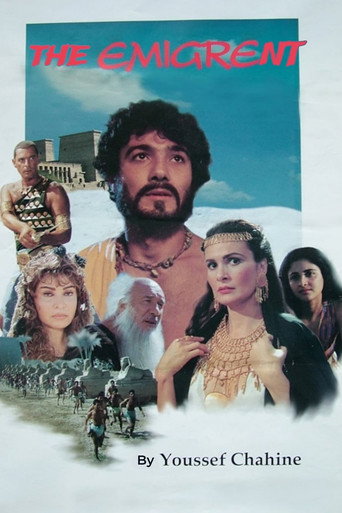
The Emigrant
The biblical tale of Joseph is told from an Egyptian perspective in this interesting character study. In this film, Joseph is called Ram. Ram, tired of his family's backward superstitious life, and tired of being picked on by his brothers, wants to go to Egypt to study agriculture. His brothers travel with him across Sinai, but then suddenly sell him to Ozir, an Egyptian who works for a Theban military leader, Amihar. Amihar is impressed by Ram's drive and personal charm and so grants Ram some desolate land outside the capital. Ram soon finds himself a pawn in the political and sexual games between Amihar and his wife Simihit, a high priestess of the Cult of Amun.
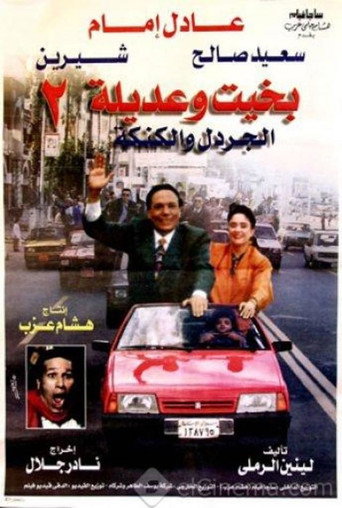
Bakhit and Adeela 2
The second part of Lenin al-Ramly and Nader Galaal’s trilogy “Bekheet and Adeela”. A gang of drugs dealers finances Bekheet and Adeela’s parliament campaign. At the end, Bekheet and Adeela figured out that the gang has its hidden agenda, they enter the elections as independents, become members and finally overcome the gang.
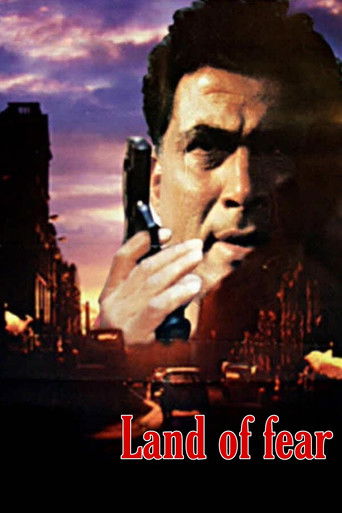
Land of Fear
A police officer is chosen in the late 1960s for a unique and lifelong mission: to infiltrate Egypt’s criminal underworld. Stripped of his name and reputation, he adopts a new identity, living among smugglers, dealers, and nightclub owners. Over the years, he rises within this hidden world, all the while trying to balance his secret duty with the temptations of wealth, power, and desire. Against the backdrop of Egypt’s shifting political eras, his life becomes a meditation on morality, loyalty, and the fragile boundaries of identity and biblical-level metaphors.
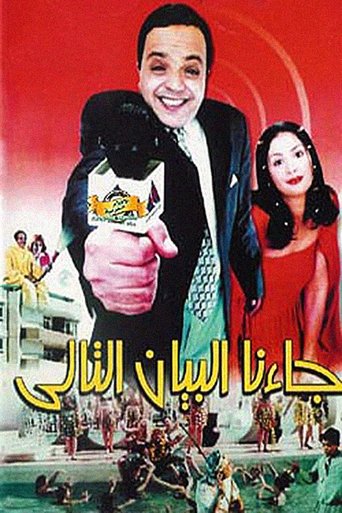
The Following Statement Came To Us
Nader saif eldeen and Afet elsherbiny are two competing Egyptians newspaper reporters who expose the truth but the Channel Manager rejects that for fear of government.
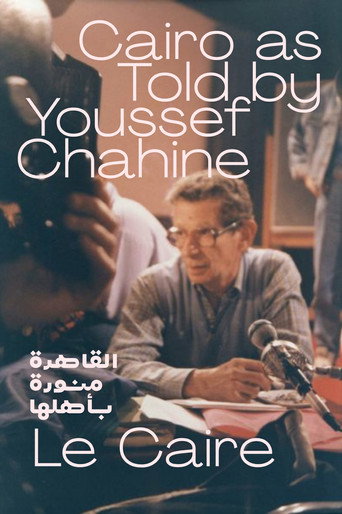
Cairo as Told by Youssef Chahine
This concise masterpiece began as a commission by French TV for the news series Envoyé spécial. By filming Cairo with his unique sense of artistic digression, Chahine transformed this portrait of a city into the self-portrait of a filmmaker.
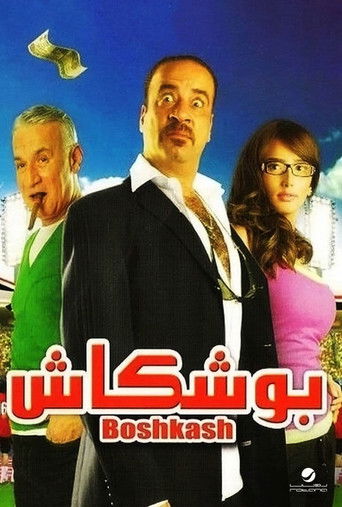
Boshkash
An ex-goalkeeper starts working as a talent scout and travels all over the world in search of professional players to join Egyptian football clubs.
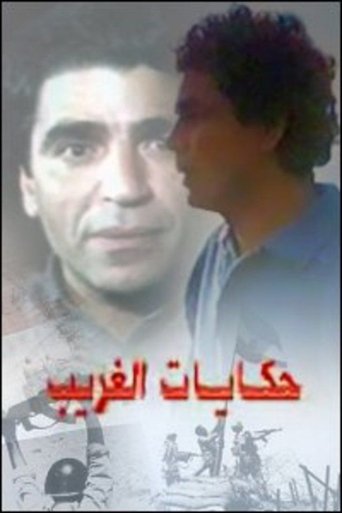
Stories of an Estranged
Between the Setback of 1967 and the glorious October War, Abdel Rahman feels despair following the defeat of his homeland as he witnesses the changes that occurred to the people and their journey from despair to determination to restore their land and dignity.
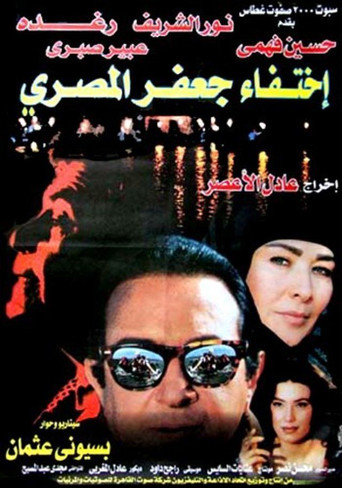
The Disappearance of Jaafar Al-Masri
Jafar Al-Masry's empire is about to collapse, the devil asks him to kill in exchange for saving him from bankruptcy. Jaafar agrees and kills the hunter Hammam. But guilt drives Jaafar to search for the village of Hammam, and he starts to get to know his relatives and wife Halima.
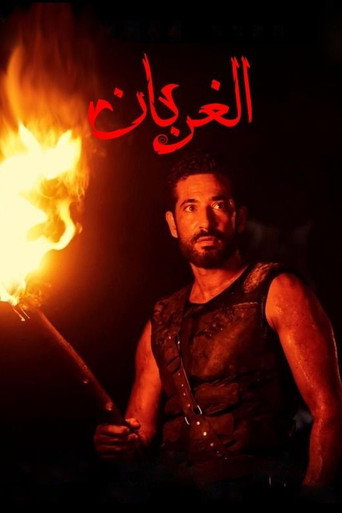
The Crows
In a context of action and suspense, the events take place in the 1940s, during World War II in Western Sahara on the eve of the Battle of El Alamein, where a strong conflict takes place between more than one side.
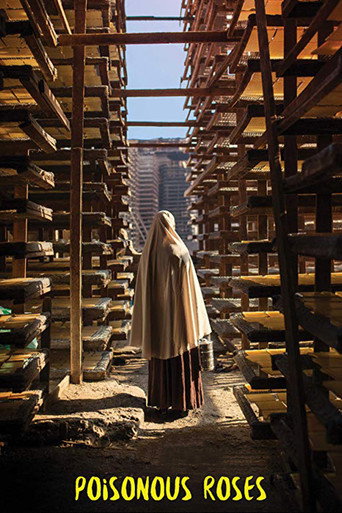
Poisonous Roses
Set in the confines of an impoverished Cairo neighborhood, a community's everyday life is threatened by the ruthless rhythms of Tanneries, rotary driers crushing animal skin, hazards of poisonous waste water, Tahyea desperately clings to her brother, Saqr, whose only dream is to escape.
Gallery