Sacha Pitoëff Movies, TV Shows, and Filmography
Sacha Pitoëff
Acting
Biography
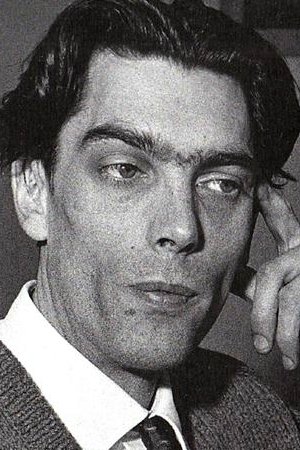
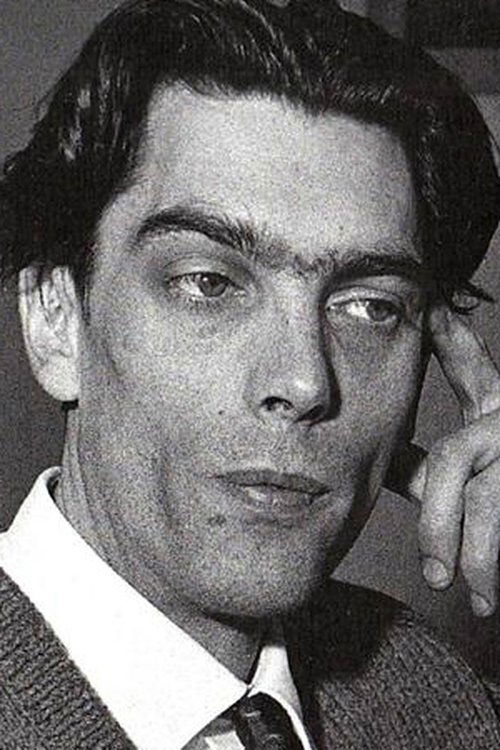
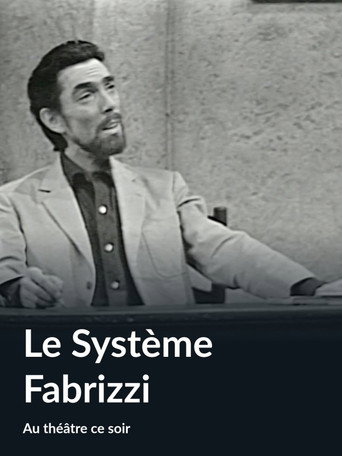
Sacha Pitoëff (born Alexandre Pitoëff; 11 March 1920 – 21 July 1990) was a Swiss-born French actor and stage director. Pitoëff was born in Geneva, Switzerland, on 11 March 1920, the son of Russian-born parents Ludmilla (née Smanova) and Georges Pitoëff. Both of his parents were born in the city of Tbilisi (in modern-day Georgia), then a part of the Russian Empire. The Pitoëffs were prominent actors in France, Georges was a founding member of the Cartel des Quatre (Group of Four), a group including Louis Jouvet, Charles Dullin, and Gaston Baty, dedicated to rejuvenating the French theatre. Sacha graduated from Lycée Pasteur in Neuilly-sur-Seine, outside Paris. He studied acting and stage direction under Jouvet at the Théâtre de l'Athénée. During World War II, the younger Pitoëff followed his mother back to Switzerland, where he played his earliest roles. After the war he returned to Paris, becoming general manager at the Théâtre des Bouffes du Nord. He made his directorial debut with a 1950 staging of Uncle Vanya, which proved both a critical and commercial success. He became a fixture of Parisian theatre in the 1960s, becoming the director of his own troupe. His repertoire included works by Jean Genet, Eugène Ionesco, Hugo Claus, Robert Musil, Anna Langfus and Anton Chekhov. With Romy Schneider, he staged The Seagull, Uncle Vanya and Three Sisters at Théâtre de l'Œuvre. In 1967, he achieved his greatest success with a well-regarded production of Luigi Pirandello's Henry IV, which he directed and starred in, with Claude Jade. Pitoëff played his first film role in 1952, in the omnibus film The Seven Deadly Sins. Appearing in over 50 films, he is probably best known for his performance in Alain Resnais's enigmatic Last Year at Marienbad (1960), as the unnamed man who may or may not be Delphine Seyrig's husband. He was featured in roles of various sizes in such films as Henri-Georges Clouzot's Les Espions (1957), Peter Ustinov's Lady L (1965), René Clément's Is Paris Burning? (1966), and Jacques Demy's Donkey Skin (1970). He also appeared in several Hollywood productions, including Anatole Litvak's Anastasia (1956) and The Night of the Generals (1967), Mark Robson's The Prize (1963) and Dick Clement's To Catch a Spy (1971). Toward the end of his acting career, he began appearing in horror films. His final role was as the bookseller Kazanian in Dario Argento's Inferno (1980). For the last ten years of his life, Pitoëff was a professor at the National School of Theatre Arts and Techniques (ENSATT) in Lyon, where his students included Gérard Depardieu, Jean-Roger Milo and Niels Arestrup. Pitoëff was married to French actress Luce Garcia-Ville, until her death by suicide in 1975. He had two siblings, actress Svetlana Pitoëff and writer Aniouta Pitoeff. His height and distinctively-gaunt, lanky appearance may have been a consequence of Marfan syndrome. Having suffered from depression in the final years of his life, he died in Paris at Pitié-Salpêtrière Hospital on 21 July 1990, at the age of 70. Source: Article "Sacha Pitoëff" from Wikipedia in English, licensed under CC-BY-SA 3.0.
Filmography Movies
Acting
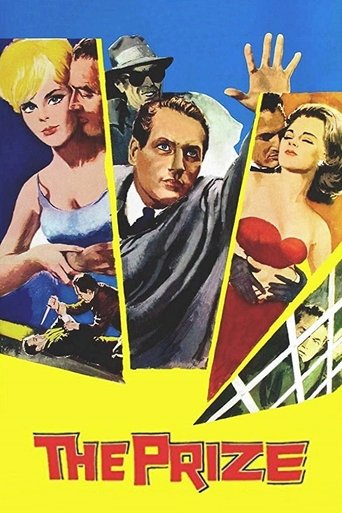
The Prize
A group of Nobel laureates descends on Stockholm to accept their awards. Among them is American novelist Andrew Craig, a former literary luminary now writing pulp detective stories to earn a living. Craig, who is infamous for his drinking and womanizing, formulates a wild theory that physics prize winner Dr. Max Stratman has been replaced by an impostor, embroiling Craig and his chaperone in a Cold War kidnapping plot.
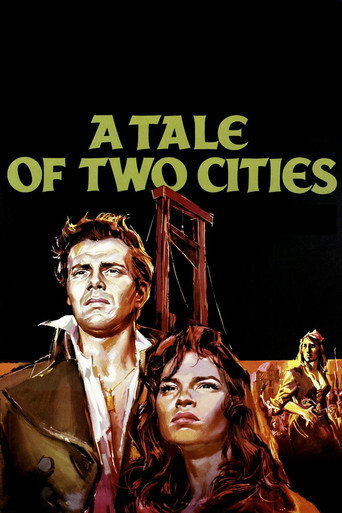
A Tale of Two Cities
Set against the conditions leading up to the French Revolution and the Reign of Terror, French doctor Alexandre Manette serves an 18-year imprisonment in the Bastille in Paris, followed by his release to live in London with the daughter he has never met.
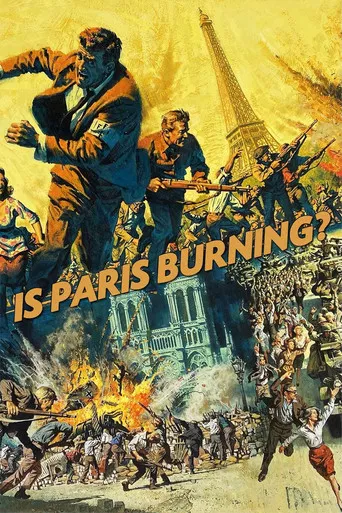
Is Paris Burning?
Near the end of World War II, Gen. Dietrich von Choltitz receives orders to burn down Paris if it becomes clear the Allies are going to invade, or if he cannot maintain control of the city. After much contemplation Choltitz decides to ignore his orders, enraging the Germans and giving hope to various resistance factions that the city will be liberated. Choltitz, along with Swedish diplomat Raoul Nordling, helps a resistance leader organize his forces.
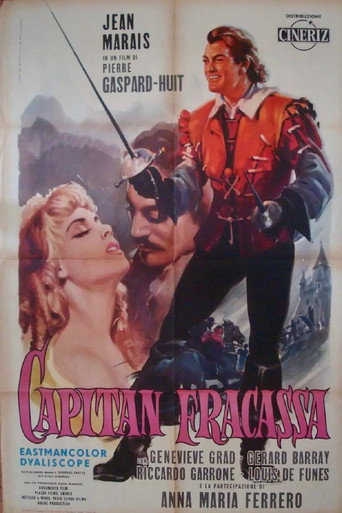
Captain Fracasse
A ruined Baron Philippe de baron, meets one day a troupe of traveling actors led by Herod. Attracted by the one who plays the role of the ingenue: Isabella, and by the dynamism and enthusiasm of his companions, he takes the place of the deceased poet of the troupe. And during performances, Philippe became the captain Sunder. For his part, Isabelle loves Philip, but does not consider marriage, nobility him missing, she refuses to harm the career of Baron. And one day, the Duke of Vallombrosa, seduced by Isabella, finds himself challenged to a duel by Philippe for touching the girl. Defeated, he launched his men against Sunder, then removes Isabelle. The actors throw themselves then to storm the castle where she is being held. This time Vallombrosa was seriously injured, and the duke's own father, rushed to the scene, Isabelle discovers the girl he had once been an actress. Nothing stands now the union of Sunder and Isabella, under the tender gaze of the actors Herod and Scapin.
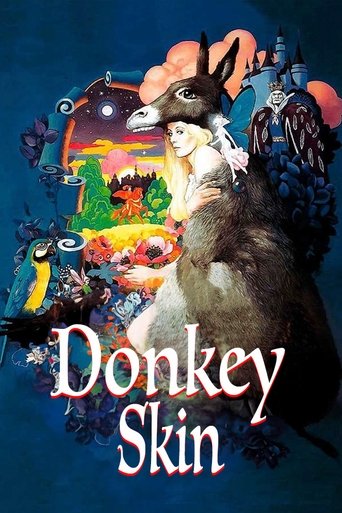
Donkey Skin
A fairy godmother helps a princess disguise herself so she won't have to marry her father.
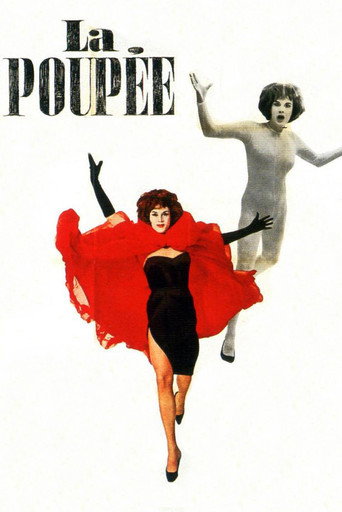
The Doll
An avant-garde political satire that takes place in a mythical country in South America. The dictator has been replaced by a look-alike revolutionary, and the dictator's wife has been replaced by a robot.
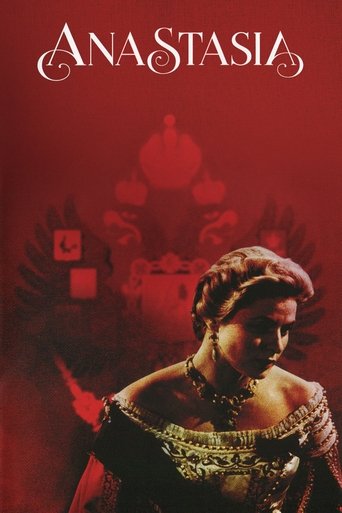
Anastasia
Russian exiles in Paris plot to collect ten million pounds from the Bank of England by grooming a destitute, suicidal girl to pose as heir to the Russian throne. While Bounin is coaching her, he comes to believe that she is really Anastasia. In the end, the Empress must decide her claim.
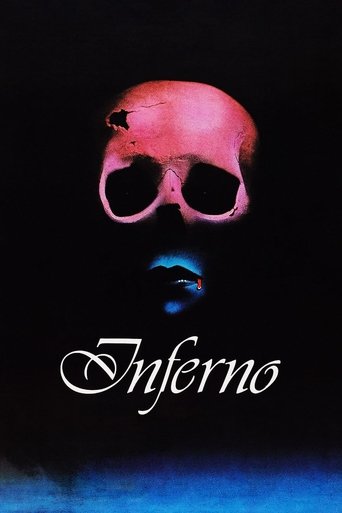
Inferno
A young man returns from Rome to his sister's satanic New York apartment house.
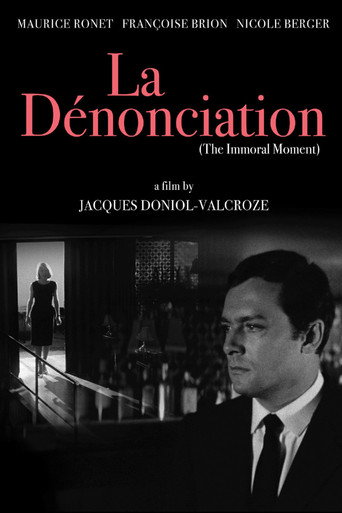
The Immoral Moment
Michel Jussieu, a film producer, returns one morning to the cabaret where he forgot his sweater. He discovers the corpse of an extreme right-wing journalist, but immediately he is knocked out. He wakes up in the police station ...
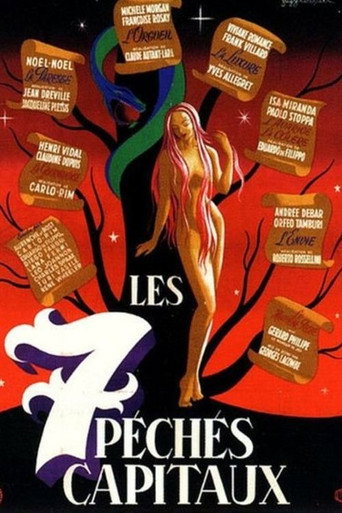
The Seven Deadly Sins
A compilation of segments covers the seven deadly sins of greed, wrath, envy, pride, lust, sloth, and gluttony.
Production
Gallery