Sacha Guitry Movies, TV Shows, and Filmography
Sacha Guitry
Directing
Biography
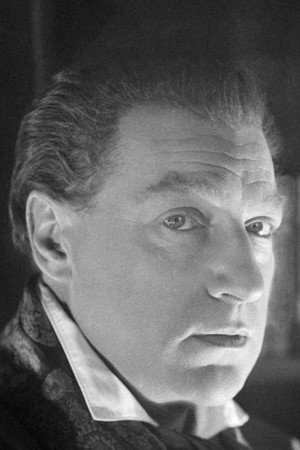
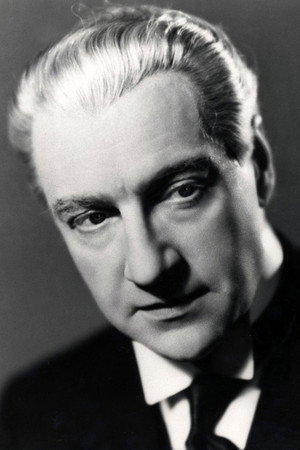
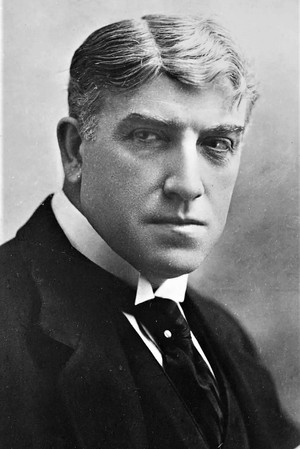
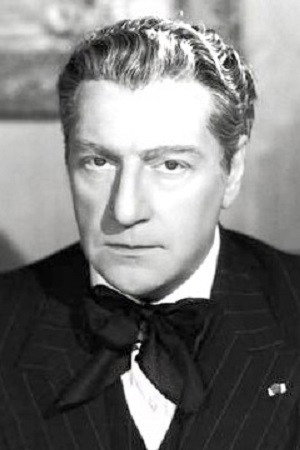
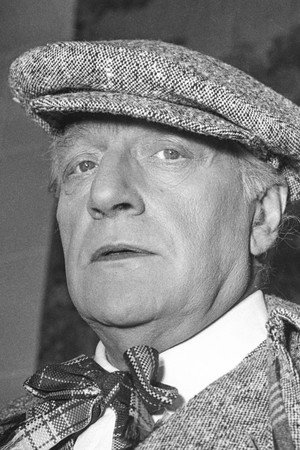
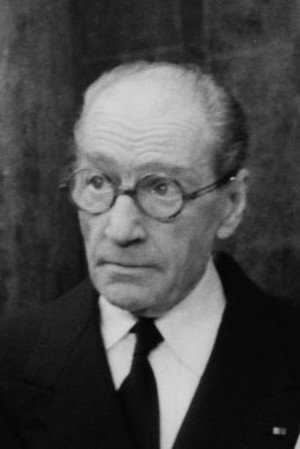
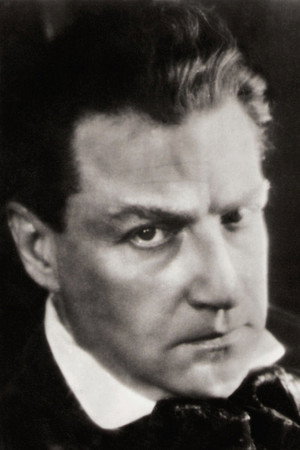
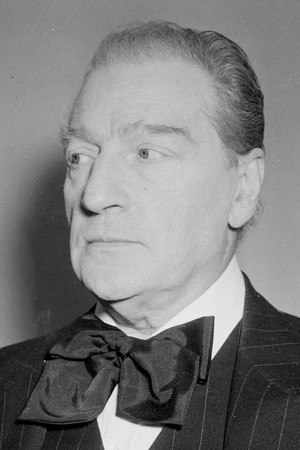
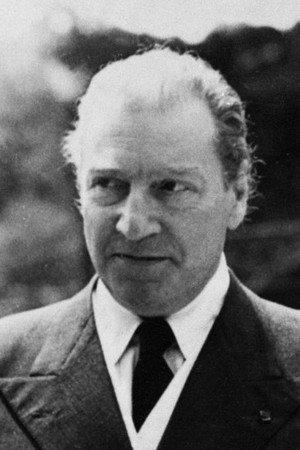
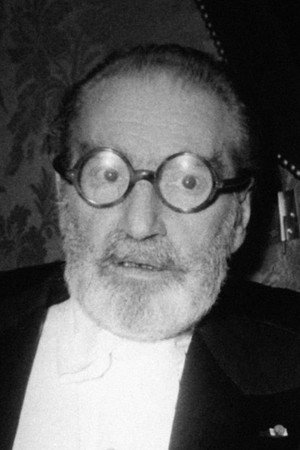
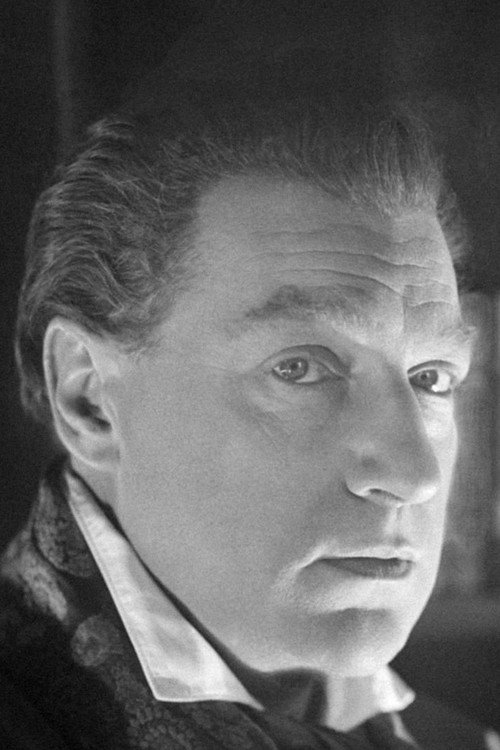
Alexandre-Pierre Georges Guitry (21 February 1885 – 24 July 1957), known as Sacha Guitry, was a French stage actor, film actor, director, screenwriter, and playwright of the boulevard theatre. He was the son of a leading French actor, Lucien Guitry, and followed his father into the theatrical profession. He became known for his stage performances, particularly in boulevardier roles. He was also a prolific playwright, writing 115 plays throughout his career. He was married five times, always to rising actresses whose careers he furthered. Probably his best-known wife was Yvonne Printemps to whom he was married between 1919 and 1932. Guitry's plays range from historical dramas to contemporary light comedies. Some have musical scores, by composers including André Messager and Reynaldo Hahn. When silent films became popular Guitry avoided them, finding the lack of spoken dialogue fatal to dramatic impact. From the 1930s to the end of his life he enthusiastically embraced the cinema, making as many as five films in a single year. The later years of Guitry's career were overshadowed by accusations of collaborating with the occupying Germans after the capitulation of France in the Second World War. The charges were dismissed, but Guitry, a strongly patriotic man, was disillusioned by the vilification he received from some of his compatriots. By the time of his death, his popular esteem had been restored to the extent that 12,000 people filed past his coffin before his burial in Paris. Guitry was born at No 12 Nevsky Prospect, Saint Petersburg, Russia, the third son of the French actors Lucien Guitry and his wife Marie-Louise-Renée née Delmas de Pont-Jest (1858–1902). The couple had eloped, in the face of family disapproval, and were married at St Martin in the Fields, London, in 1882. They then moved to the then Russian capital, where Lucien ran the French theatre company, the Théâtre Michel, from 1882 to 1891. The marriage was brief. Guitry senior was a persistent adulterer, and his wife instituted divorce proceedings in 1888. Two of their sons died in infancy (one in 1883 and the other in 1887); the other surviving son, Jean (1884–1920) became an actor and journalist. The family's Russian nurse habitually shortened Alexandre-Pierre's name to the Russian diminutive "Sacha", by which he was known all his life. The young Sacha made his stage debut in his father's company at the age of five. Lucien Guitry, considered the most distinguished actor in France since Coquelin, was immensely successful, both critically and commercially. When he returned to Paris he lived in a flat in a prestigious spot, overlooking the Place Vendôme and the Rue de la Paix. The young Sacha lived there, and for his schooling he was first sent to the well-known Lycée Janson de Sailly in the fashionable Sixteenth arrondissement. He did not stay long there, and went to a succession of other schools, both secular and religious, before abandoning formal education at the age of sixteen. ... Source: Article "Sacha Guitry" from Wikipedia in English, licensed under CC-BY-SA 3.0.
Filmography Movies
Acting
Bluebeard's 8th Wife
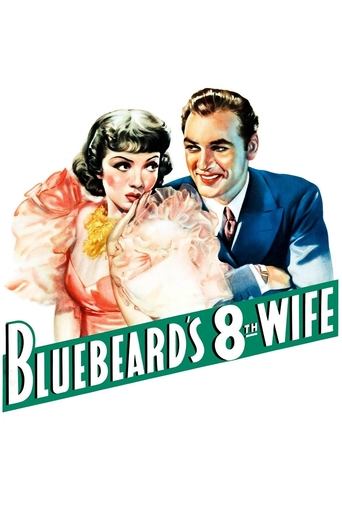
American multi-millionaire Michael Brandon marries his eighth wife, Nicole, the daughter of a broke French Marquis. But she doesn't want to be only a number in the line of his ex-wives and undertakes her own strategy to tame him.
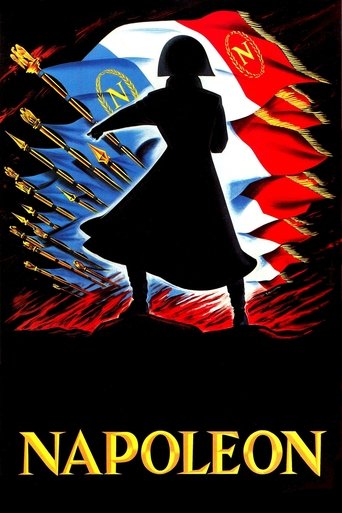
Napoleon
The film follows the life of Napoleon from his early life in Corsica to his death at Saint Helena. The film is notable for its use of location shooting for numerous scenes, especially at the French estates of Malmaison and Fontainebleau, the Palace of Versailles, and sites of Napoleonic battles including Austerlitz and Waterloo.
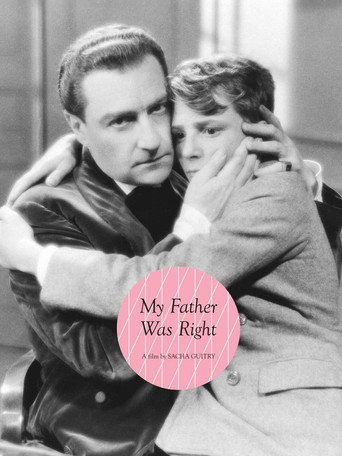
My Father Was Right
After being left for another man by his wife, Charles Bellanger raises his only son to fear and suspect women. Years later, such an education is bearing fruit.
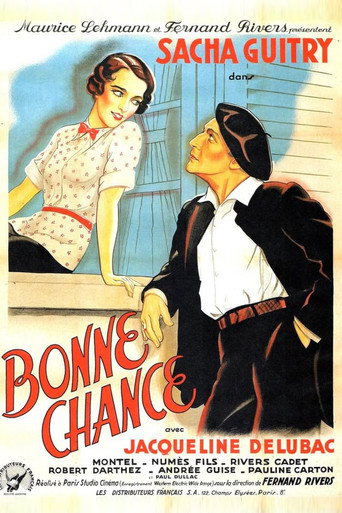
Good Luck
A girl, Marie, who got engaged to a boy who is leaving for military training (thirteen days) wins two million on the raffle, thanks to an older man, Claude, whom she calls her good luck …
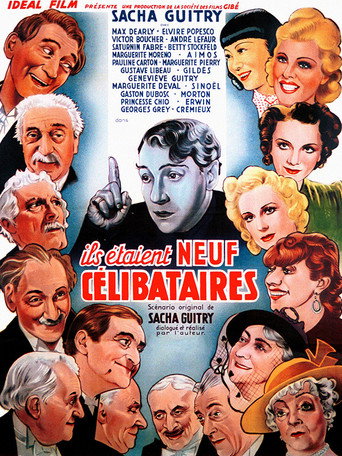
Nine Bachelors
Nine Bachelors is a 1939 French comedy film directed by Sacha Guitry and starring Guitry, Max Dearly and Elvire Popesco.[1] An opportunist dreams up a new scheme to make money when the French government passes a law forbidding foreigners from living in France. It's French title is Ils étaient neuf célibataires.
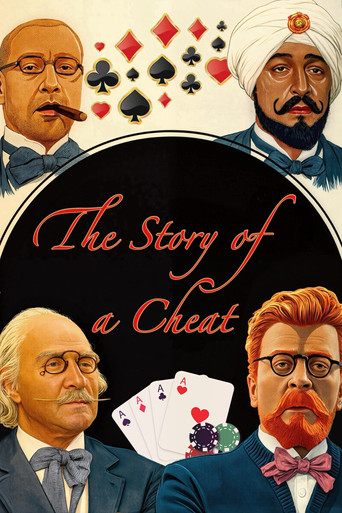
The Story of a Cheat
Life story of a charming scoundrel, with little dialogue other than the star/director's witty narration. As a boy, only he survives a family tragedy when he's deprived of supper (poisonous mushrooms!) for stealing...concluding that dishonesty pays. Through years of dabbling in crime and amusing adventures, two women appear and reappear in his life, a dazzling blonde jewel thief and a stunning brunette gambler. Finally, he meets the mysterious Charbonnier who had saved his life in World War I, leading to the surprising next phase in his career...
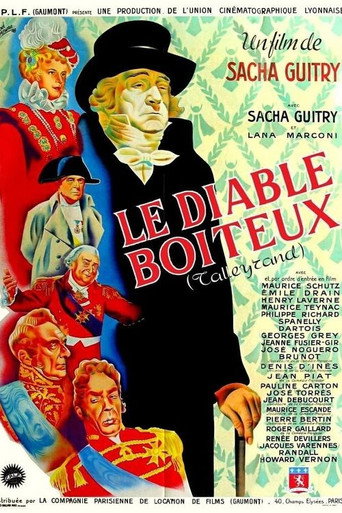
The Devil Who Limped
The film is a 125-minute, black-and-white biography of French priest and diplomat Charles Maurice de Talleyrand-Périgord (1754–1838), who served for 50 years under five different French regimes: the Absolute Monarchy, the Revolution, the Consulate, the Empire, and the Constitutional Monarchy. Its title comes from one of the main historical nicknames for Talleyrand, that he shares with demon king Asmodeus and English poet Lord Byron.
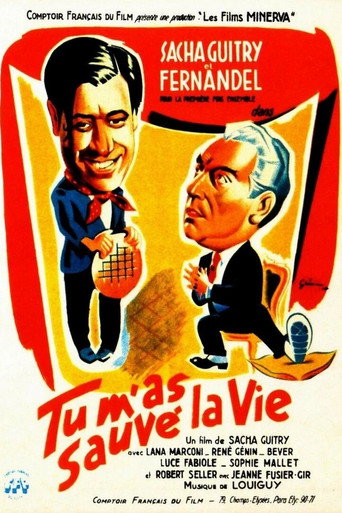
Tu m'as sauvé la vie
A wealthy baron, without offspring, who knows death is approaching, wants to adopt a man who kept him alive a bit longer, when he was almost run over by a horse drawn cart.
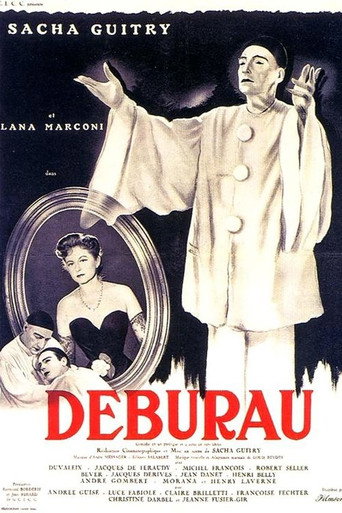
Deburau
Jean-Gaspard Deburau is a very successful mime, the most famous in his category. One day, he falls head over heels in love with Marie Duplessis, a courtesan better known as "La Dame aux Camélias". But he soon realizes that he is but a number in her long list of lovers. He will find comfort in devoting his time teaching his art to his son Charles.
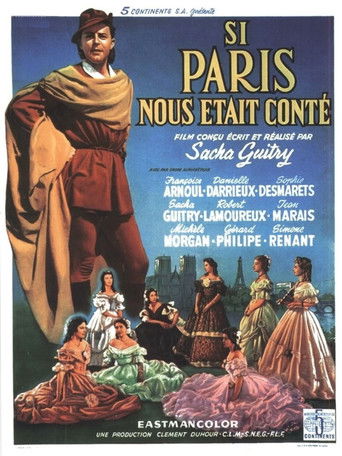
If Paris Were Told to Us
Historical film directed and written by Sacha Guitry follows the the history of Paris from its founding through the significant events in the city's history.
Production
My Father Was Right
After being left for another man by his wife, Charles Bellanger raises his only son to fear and suspect women. Years later, such an education is bearing fruit.
Good Luck
A girl, Marie, who got engaged to a boy who is leaving for military training (thirteen days) wins two million on the raffle, thanks to an older man, Claude, whom she calls her good luck …
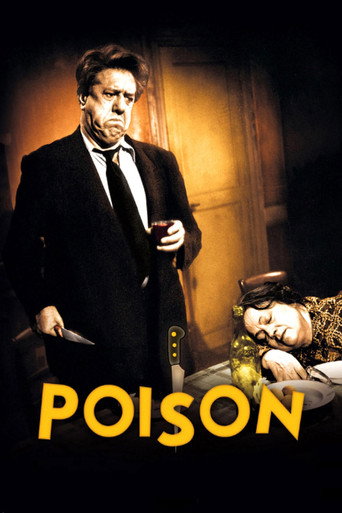
Poison
Paul Braconnier and his wife Blandine only have one thing in mind: to find a way to kill each other without risk. After listening to a radio show, Paul decides to go to Paris to meet a famous lawyer in the acquittal of the murderers. He tells the lawyer that he killed his wife. The lawyer asks Paul to reconstruct the circumstances of the drama. Without knowing it, he explains, in spite of himself, the way for Paul to murder his wife by putting the odds on his side to avoid death penalty or even be released...
The Story of a Cheat
Life story of a charming scoundrel, with little dialogue other than the star/director's witty narration. As a boy, only he survives a family tragedy when he's deprived of supper (poisonous mushrooms!) for stealing...concluding that dishonesty pays. Through years of dabbling in crime and amusing adventures, two women appear and reappear in his life, a dazzling blonde jewel thief and a stunning brunette gambler. Finally, he meets the mysterious Charbonnier who had saved his life in World War I, leading to the surprising next phase in his career...
The Story of a Cheat
Life story of a charming scoundrel, with little dialogue other than the star/director's witty narration. As a boy, only he survives a family tragedy when he's deprived of supper (poisonous mushrooms!) for stealing...concluding that dishonesty pays. Through years of dabbling in crime and amusing adventures, two women appear and reappear in his life, a dazzling blonde jewel thief and a stunning brunette gambler. Finally, he meets the mysterious Charbonnier who had saved his life in World War I, leading to the surprising next phase in his career...
The Devil Who Limped
The film is a 125-minute, black-and-white biography of French priest and diplomat Charles Maurice de Talleyrand-Périgord (1754–1838), who served for 50 years under five different French regimes: the Absolute Monarchy, the Revolution, the Consulate, the Empire, and the Constitutional Monarchy. Its title comes from one of the main historical nicknames for Talleyrand, that he shares with demon king Asmodeus and English poet Lord Byron.
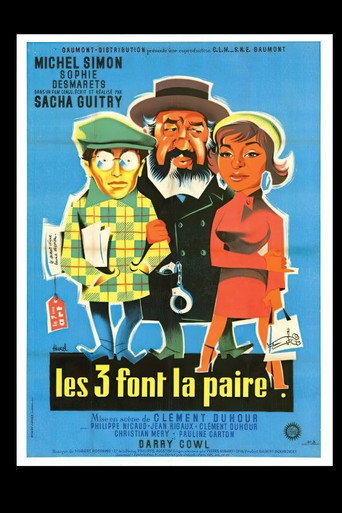
Three Make a Pair
Jojo’s ambition is to become a gangster, but to be admitted into a gang he has to prove himself by committing a daring act. To that end, he kills someone in broad daylight, not knowing that his victim is an actor who is playing a scene in a film directed by a cranky film-maker (Darry Cowl). The murder is caught on film, leading Commissaire Bernard (Michel Simon) to think that the killer will be easy to find. Sure enough, Bernard soon makes his arrest, a clown from a circus, but then he faces an almost insurmountable problem. The clown has an identical twin, who is also a clown with the same circus. Both men claim to be innocent…
Nine Bachelors
Nine Bachelors is a 1939 French comedy film directed by Sacha Guitry and starring Guitry, Max Dearly and Elvire Popesco.[1] An opportunist dreams up a new scheme to make money when the French government passes a law forbidding foreigners from living in France. It's French title is Ils étaient neuf célibataires.
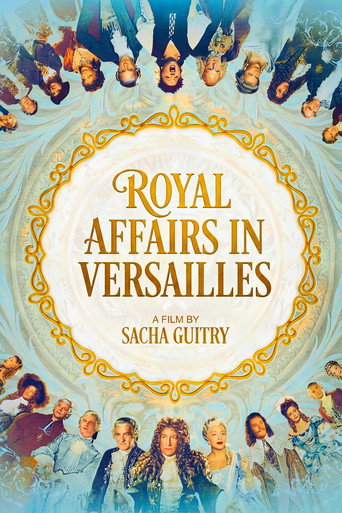
Royal Affairs in Versailles
Witty narration follows the history of Versailles Palace; founded by Louis XIII, enlarged by autocratic Louis XIV, whose personal affairs and amours, and those of his two successors, are followed in more detail to the start of the Revolution, after which the story is brought rapidly up to date. A huge cast plays mainly historical persons who appear briefly.
Deburau
Jean-Gaspard Deburau is a very successful mime, the most famous in his category. One day, he falls head over heels in love with Marie Duplessis, a courtesan better known as "La Dame aux Camélias". But he soon realizes that he is but a number in her long list of lovers. He will find comfort in devoting his time teaching his art to his son Charles.
Gallery