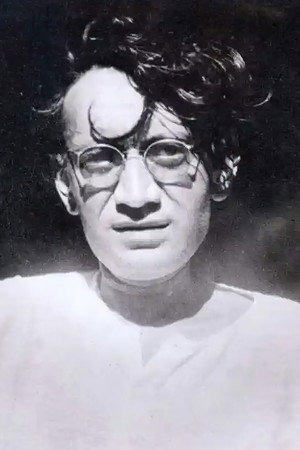
Saadat Hassan Manto Movies, TV Shows, and Filmography
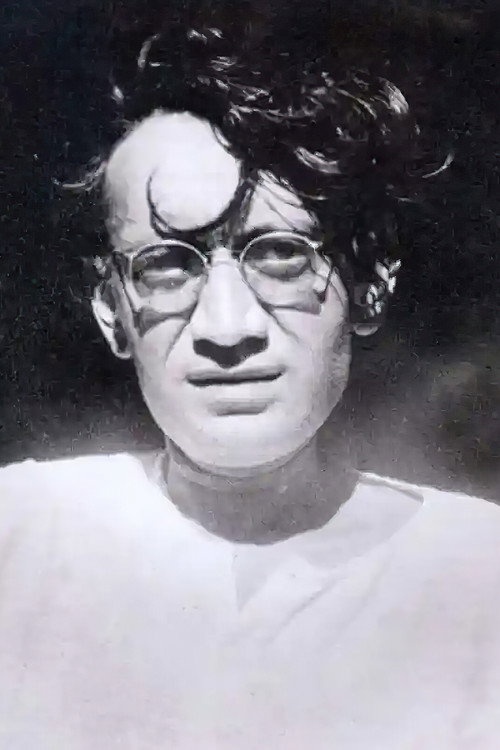
Saadat Hassan Manto
Writing
Biography
Saadat Hasan Manto was a writer, playwright and author born in Ludhiana active in British India and later, after the Partition of India, in Pakistan.
Filmography Movies
Production
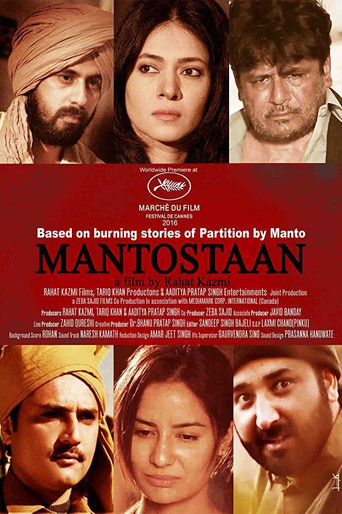
Mantostaan
Based on the four most controversial short stories of the legendary Urdu writer Saadat Hassan Manto, Mantostaan sheds light on the inhumane side of mankind. Set during the Indo-Pakistan partition in 1947, the movie highlights the retributive genocide between the religions, killing as many as 20,00,000 people and displacing over 14 million people.
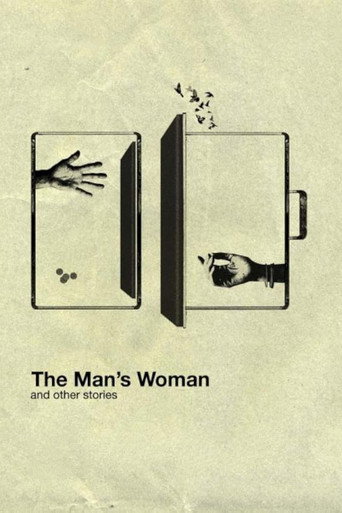
The Man's Woman and Other Stories
A series of three episodes which explore the relationship between men, women and the physical and mental spaces they inhabit.
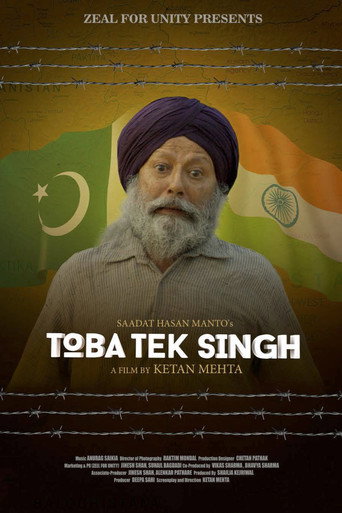
Toba Tek Singh
The story takes place just before the India-Pakistan partition in one of the oldest mental asylums in undivided India. Situated in Lahore, it was home to Hindu, Muslim and Sikh patients who were left behind by their uncaring families. Friendships were thick between the patients who had nobody but each other for company. Each had a story that made for an interesting tale but none quite like Bishan Singh.
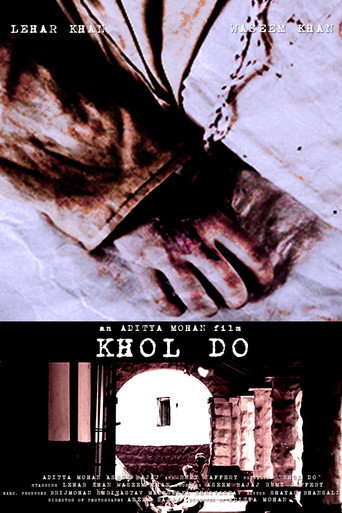
Khol Do
A helpless father searches for his daughter who is separated from him during the riots of India-Pakistan Partition in 1947
Ek Gunah Aur Sahi
The story of a 'good-bad' madam who runs a brothel.
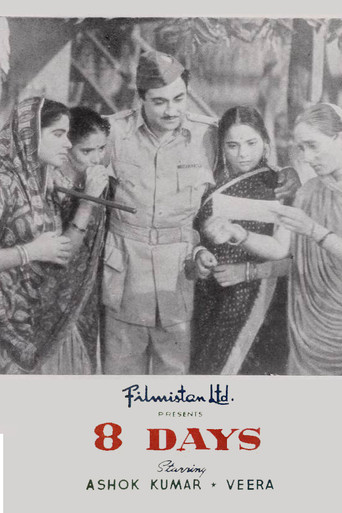
Eight Days
Shamsher Singh (Kumar), a discharged military officer who wants to settle down as a farmer. His marriage is arranged with the educated Neela (Veera) who ditches him at the last minute and goes to the city where she learns that she stands to inherit a fortune if she gets married within 8 days. After rejecting several suitors, she finally falls in love with Shamsher Singh, whom she meets in the city unaware that he is the person to whom she was earlier betrothed. Singh treats her badly and she sues him but in the end the two realise that they love each other.

Badnam
This is an adaptation from the short story of Saadat Hasan Manto with the title, "Jhumke". A wife is accused of adultery and her husband leaves her along with her daughter. The husband works hard to send his daughter to the college. On the other side, his wife sold herself to prostitution. The story is related to ear pendants which cause the wife to sell her body to the house owner. The ear pendants now gifted to her daughter by a college fellow who fell in love with her. Now the father is also suspicious about her daughter. As it is a Pakistani movie, they have change characters name to Muslims name.
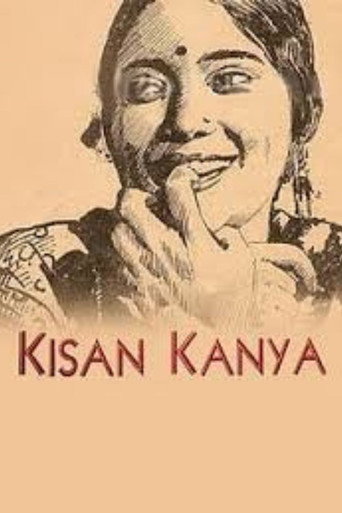
Farmer’s Daughter
Kisan Kanya is a 1937 Indian Hindi-language film directed by Moti Gidwani and produced by Ardeshir Irani under the banner of Imperial Pictures. Made using Cinecolor, the film is based on a novel by Saadat Hasan Manto that highlights the struggles of poor farmers. The film is historically significant as India’s first indigenously made colour film. While V. Shantaram's Sairandhri (1933) featured scenes in colour, it was processed and printed in Germany, distinguishing Kisan Kanya as the first colour film entirely produced within India.
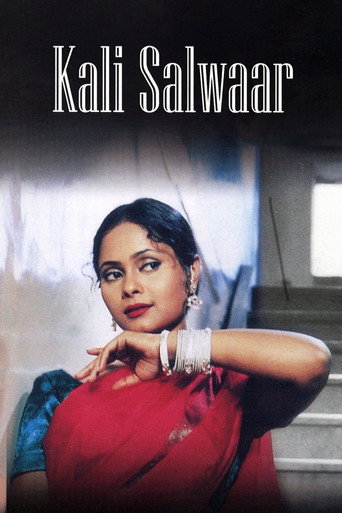
Kali Salwar
Sultana, a small town prostitute and her pimp Khudabaksh migrate to the metropolis, bringing with them their dreams and meagre belongings. Sultana goes about her bright and artful seductions but somehow misses her targets. Her business collapses. Desperately, Khudabaksh too tries his hand at many jobs but is unsuccessful. Sultana's loneliness and despair get objectified in her desire for a 'salwaar' that she needs to complete her black ensemble for the observance of mourning for Moharram.
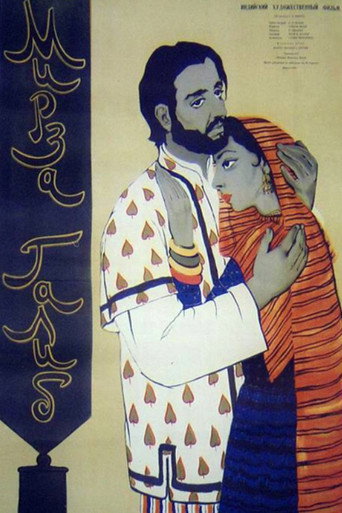
Mirza Ghalib
A fictionalized account of the life of poet and nobleman Mirza Ghalib during the reign of the last Mughal Emperor, told through the lens of his ill-fated love for a beautiful courtesan he called Chaudhvin.
Gallery