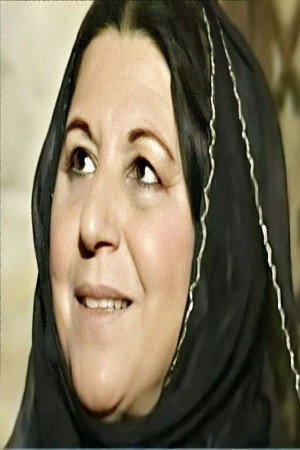
Sa'dia Al-Zeidi Movies, TV Shows, and Filmography
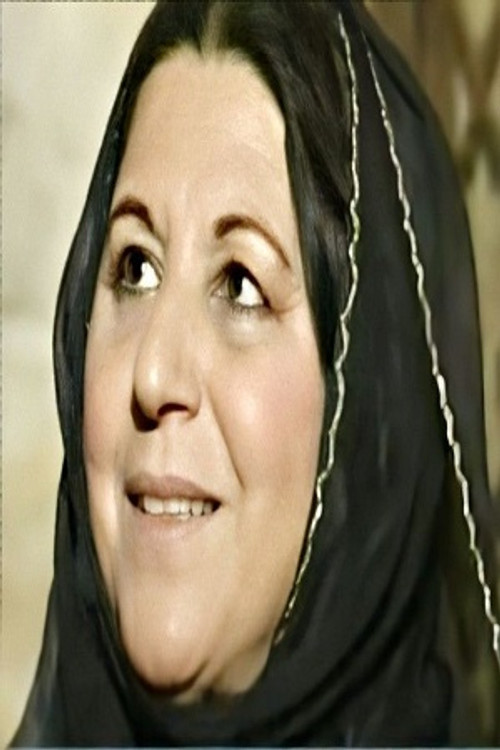
Sa'dia Al-Zeidi
Acting
Biography
Saadia Al-Zaidi, born in Maysan Governorate, Iraq, is a distinguished actress and poet. Her family's involvement in political activities led to imprisonments and relocations. Following the July Revolution in the 1950s, they were released, and Saadia settled in Baghdad after 2003. She later moved to Oman with her husband Ramadan Kataea. In the late 1950s, she worked in the textile industry, eventually expanding her cultural knowledge and starting to write poetry, which debuted on radio. Saadia has had notable roles in films like "The Pendulum" and TV series such as "Al-Nahiba." She made pioneering contributions on Iraqi radio with agriculture-related programs and has been active in theater with plays like "Sharia" and "House of Sorrows."
Filmography Movies
Acting
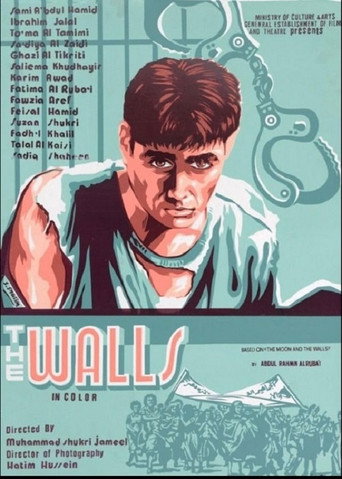
The Walls
A simple family lives in Baghdad, led by a hardworking man named Sheikh Ali. He has a son named Abbas and a daughter named Najia. As Abbas matures, he falls in love with Majida. Yasin, Abbas's mother, seeks to arrange his marriage to Majida. This leads to a conflict between Yasin and Abbas, sparking the flames of revenge and a struggle for control over the family's commercial business.
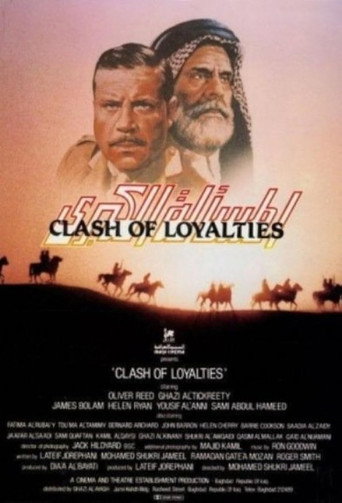
Clash of Loyalties
During the British colonial period in Iraq, Sheikh Dhari and his tribe openly reject colonization and employ peaceful resistance against the British occupation. In response, the English forces resort to violence, targeting Sheikh Dhari's locations in their confrontation with Laghman. When he is captured, they accuse him of blocking the road, revealing the schemes orchestrated by Britain in Iraq.
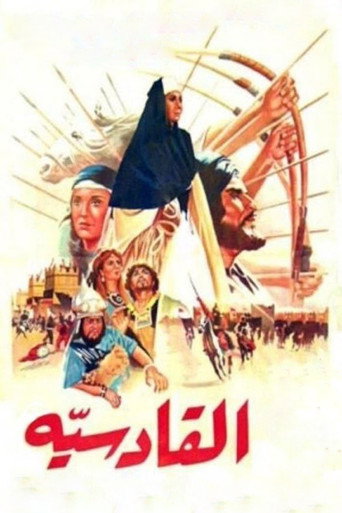
Al-Qadisiyya
A historical epic about the battle of Qadiseya, which was helmed by the Arabian knight Saad Ibn Abi Waqas, and which enabled Muslims from conquering Persia in 636 A.D.
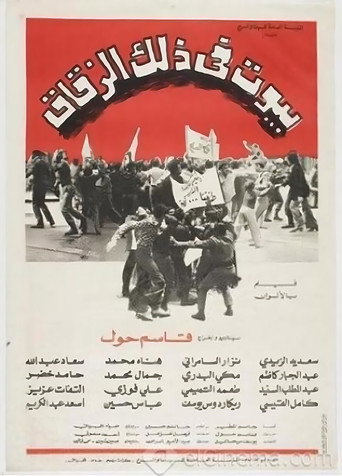
Houses in That Alley
In one of the popular neighborhoods in Baghdad, a disaster unfolds as a group of old houses collapses, causing a tragedy among the impoverished residents. A journalist endeavors to uncover the reasons behind this catastrophe. He discovers that Abu Fahad had constructed the house with non-compliant specifications, leading to its collapse. The journalist writes an investigative piece for the newspaper he works for, but the authorities remain unresponsive. He comes to realize that behind Abu Fahad, there is a wealthy and influential figure shielding him from legal accountability.
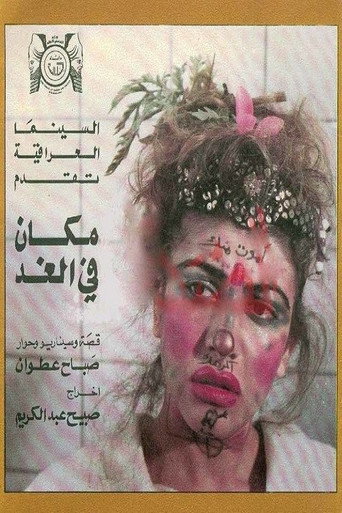
Place in Tomorrow
Hamed is arrested after he starts working in the black market. When he is released, he tries to make amends, but his obsession with money and wealth throws a wrench in his plans, and he gets arrested again.
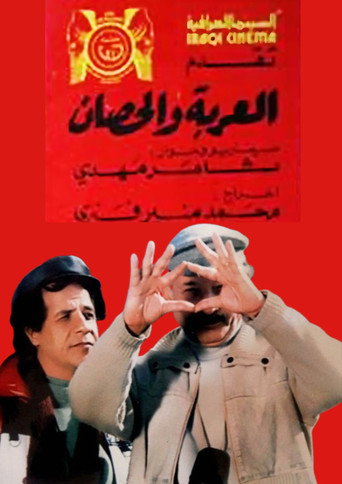
The Carriage And The Horse
The film presents, in a comedic manner, how to execute a dramatic film featuring a love story between a young man and a young woman. It depicts the execution of comedic scenes by shooting at the lover, as well as the selection of a cart and horse by the carriage driver Alwan. Alwan becomes annoyed during filming by the romantic expressions between the lovers, believing them to be real, which causes disruptions in the film's production.
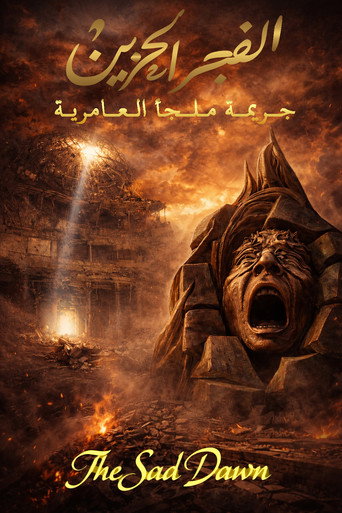
The Sad Dawn
Amidst the turmoil of the 1991 war, parents faced a harrowing choice: to protect their loved ones from bombs and missiles, they sought refuge in shelters. In Baghdad's Amiriyah shelter, 450 souls found solace, but tragedy struck at dawn when two US missiles, guided by precision, ravaged the sanctuary, leaving devastation in their wake. Desperate families waited outside, their hopes dashed as the reality of war's cruelty unfolded, leaving behind a dawn tainted with sorrow.
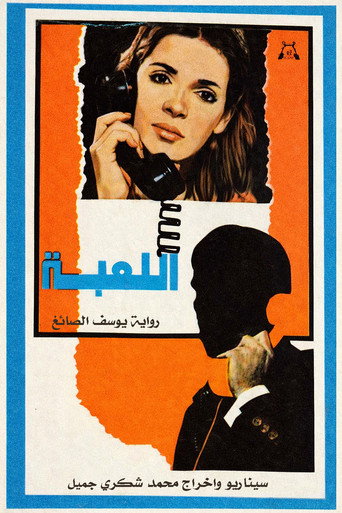
The Game
Dr. Rafe' weds his wife after a love story. When routine and boredom start to set in, Rafe' decides to make his wife think that he is seeing someone else to make her jealous. The wife tries to find out why her husband wants to have an affair.
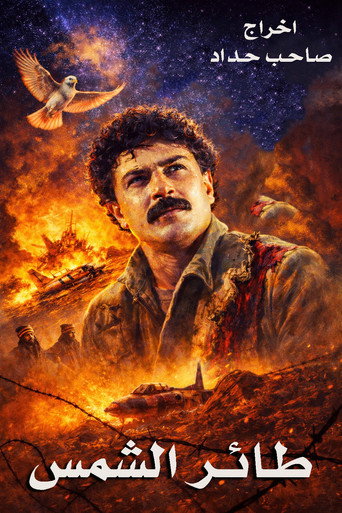
Sunbird
Based on real events, the film tells the story of an Iraqi pilot who was shot down in Iran during the Iran-Iraq War. As he tries to find his way back, the injured pilot transverses the hostile and dangerous terrain using the stars and the flight of birds to guide him.
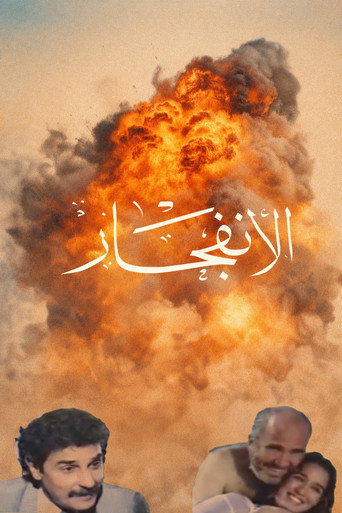
The Explosion
Iraqi police drama
Gallery