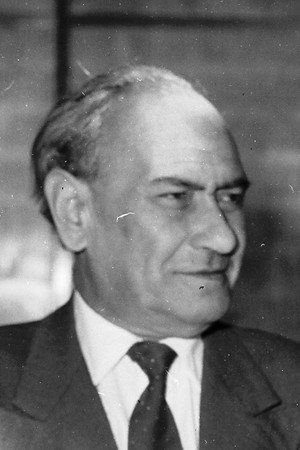
Sándor Kőmíves Movies, TV Shows, and Filmography
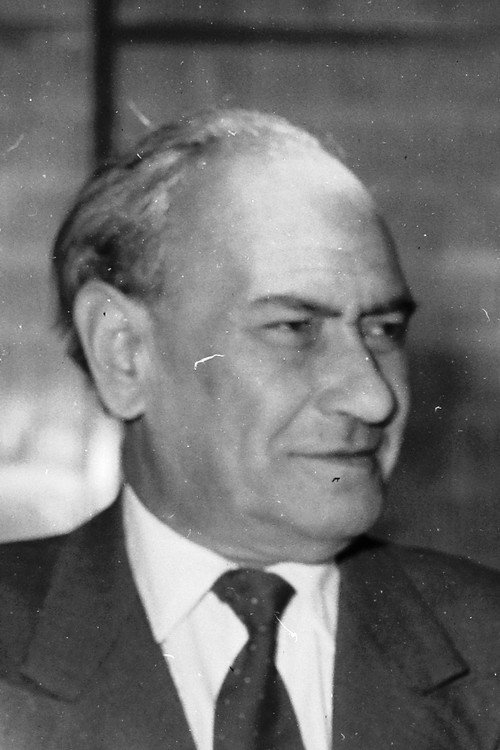
Sándor Kőmíves
Acting
Biography
No biography available.
Filmography Movies
Acting
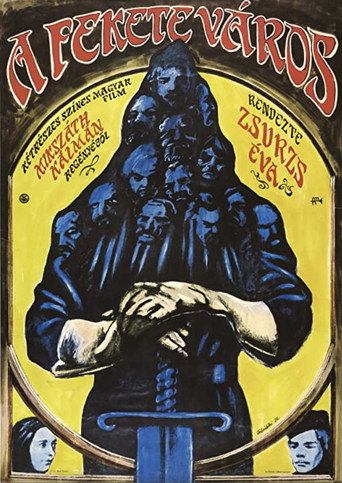
The Black City
Feature film version of the 1971 series. On the eve of the 18th century, County Vicecomes Görgey Pál broods alone in his manor while the town of Leutschau celebrates New Year’s with lead‐casting omens and a disastrous hunt that sparks a bitter feud. As Görgey fights for his honor and life, and the townspeople defend their Saxon privileges, their mutual blind ambition prevents them from seeing the rising light of Rákóczi’s coming rebellion.
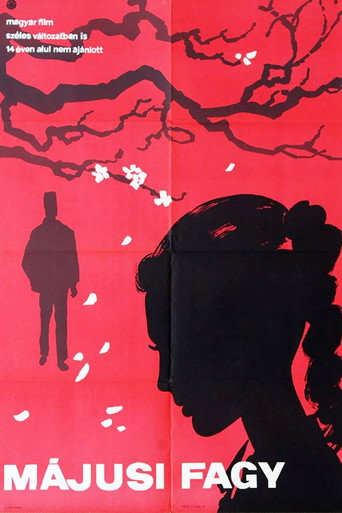
Májusi fagy
The movie tells about the relationship between young people who love each other. Young Mishka's family works on a construction site in Budapest, and on weekends they come home to their village on the Great Plain to relax and have fun. It is here that the young man meets Klari. He learns that Klari is his fellow villager, although she also works in Budapest. They arrange to meet the following weekend. Mishka is truly in love. Clarie is too, but she doesn't dare to admit to him that she has been unfaithful.
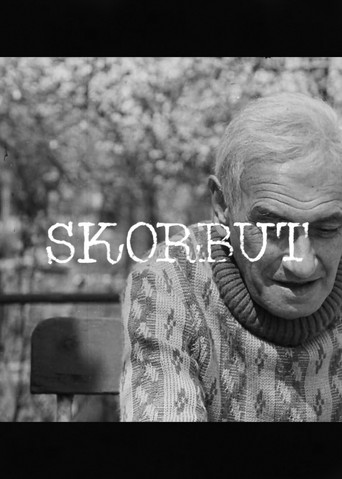
Scurvy
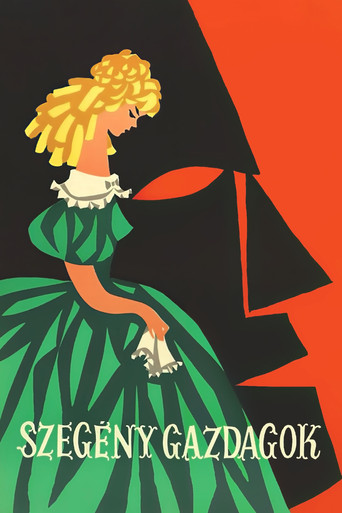
Fatia Negra
The old, sickly Demeter Lapussa is a tyrant in the family. He forces his granddaughter, the beautiful Henriette, to marry baron Hátszegi, although the girl loves the penniless Vámhidy Szilárd. The two lovers attempt to commit suicide, then are torn away from each other.

Just a Joke
The grey hero of grey workdays, the divorced cashier of a cinema who is always willing to sacrifice herself for others, Etelka, is awarded a two-week-holiday at Lake Balaton. Following the advice of her female friend, she tries to live life at full speed.
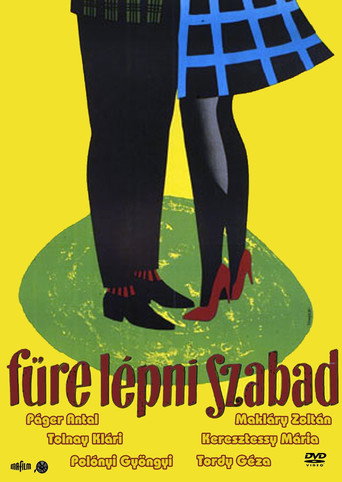
Don't Keep Off the Grass
Daddy Kárász, the stakhanovist worker, complains in a television interview about the fact that his family, consisting of many members, cannot get a home on their own. Kéri, the chairman of the local authority, promises to help him on the condition that if he does not, they may move in to his villa at elegant Pasarét. Nothing happens, therefore the Kárász family takes Kéri by his word. From this time on, tumultuous scenes and frequent quarrels take place in the villa between the two families.
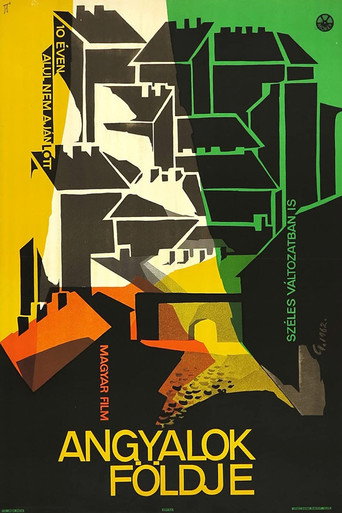
The Land of Angels
The film is a ballad about the dwellers of a block-of-flats in Angyalföld.
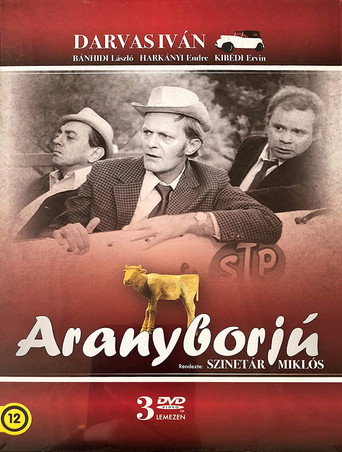
Aranyborjú
In modern Hungary, con artist Bender Oszkár and his motley crew - Barangó and a band of small-time schemers - embark on a series of outrageous scams to track down an “illegal” millionaire and seize ten million for themselves. As they exploit every trick in the book - fake charities, crooked roulette tables, forged documents - their madcap pursuit of easy riches exposes the absurdities and corruptions of contemporary life, with Bender’s fate hanging on whether his “great maneuver” will pay off or blow up in his face.
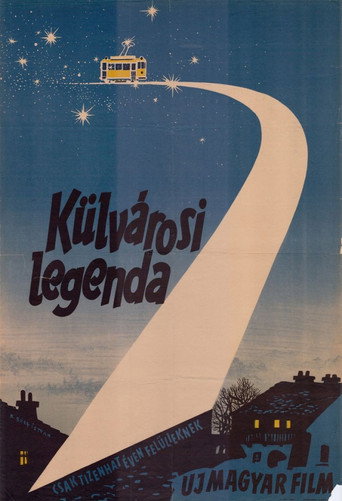
Suburban Legend
The film, depicting life in the tenement houses of Angyalföld in the thirties joins the neorealist currents of Hungarian film. Ambrus Pista, the good humoured, attractive tram conductor is loved by women for his excellent job as well. With his lover, the street-walker Terus they spy upon the neighbour as he beats his wife in jealousy.
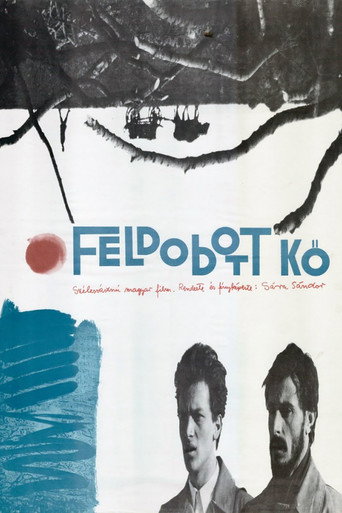
The Upthrown Stone
An aspiring film student is denied a scholarship to the state-funded university when his father is thrown in jail. The man had stopped a train in order to facilitate the union between two old friends. The son then takes a job as a land surveyor and meets a Greek man who works towards the collective benefits of the peasants. The man is killed in a peasant uprising prompted by a bureaucratic boondoggle. The surveyor looks after the man's widow as his emerging political and social awareness leads him take a stand against government injustice. Another incident, in which gypsies are rounded up by state hygiene workers, further galvanizes the man's beliefs. He photographs the incident, and his work allows him to be accepted into the school from which he was previously denied admission.
Gallery