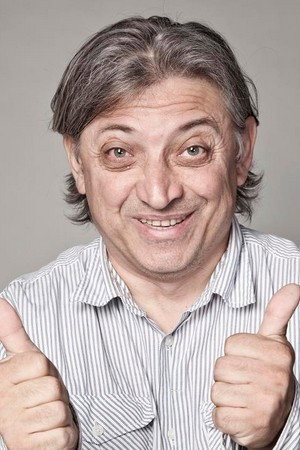
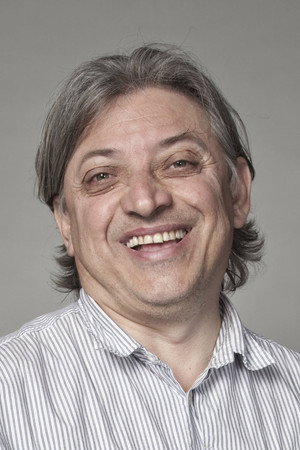
Sándor Badár Movies, TV Shows, and Filmography
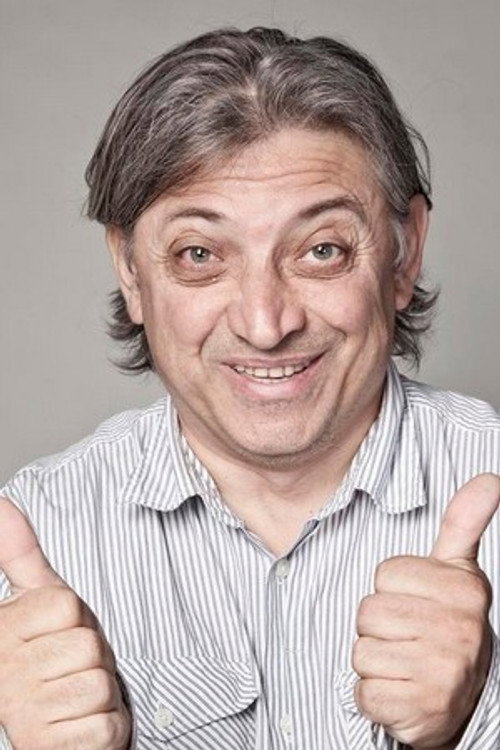
Sándor Badár
Acting
Biography
Badár Sándor (Jászberény, 1964. február 8. –) Karinthy-gyűrűs magyar színész, humorista. A szentesi Horváth Mihály Gimnázium drámatagozatára járt, Hevesi Tamás, Ternyák Zoltán, Jantyik Csaba osztálytársa volt. Az iskola után 12 évig a vasútnál dolgozott, először bakterként, majd forgalomirányítóként. Horányban él, gyereklovagoltatással foglalkozik. Ha hívják, filmekben játszik, utánozhatatlan karakter. Sajátos humora, rögtönzései és nem utolsó sorban jellegzetes figurája a kortárs magyar film izgalmas alakjává tette. Szőke András jó barátja és alkotásainak állandó szereplője. Szöveget nem szeret tanulni, a felvételeken legtöbbször improvizál. A stand-up comedy művelője, 2003 óta fellép a Dumaszínházban, és alkalmanként a Fábry Showban is. Nem hivatalos rekordként egyszer hét és fél órán át beszélt a közönséghez a Szegedi Ifjúsági Napokon. Szőke Andrással telefonos reklámfilmekben is szerepelt. Fia: Tamás, bűvész. „Föltolták az ázsiómat, azt mondják, hogy színész vagyok. De én nem vallom magamat csak annak. Gyereklovagoltatással foglalkozom, de színészi munkát is végzek. A névjegykártyámra az van írva, hogy Badár Sándor – szóra sem érdemes művész. Sose gondolkoztam azon, hogy mi vagyok.” Badár Sándor, 2004. szeptember, Interjú a filmkultúra.hu-n Forrás: Wikipédia
Filmography Movies
Acting
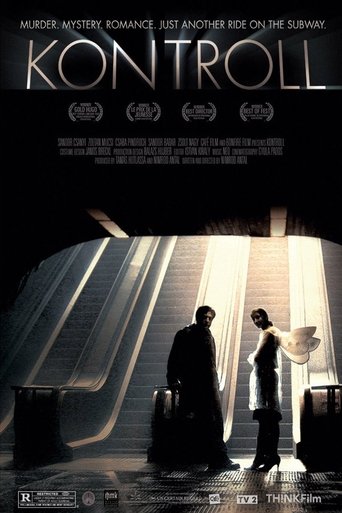
Kontroll
A subway enforcement officer working in the oppressively gray Budapest metro gets a chance at love — but first he needs to find out why passengers are jumping — or being pushed — to their deaths onto the tracks.
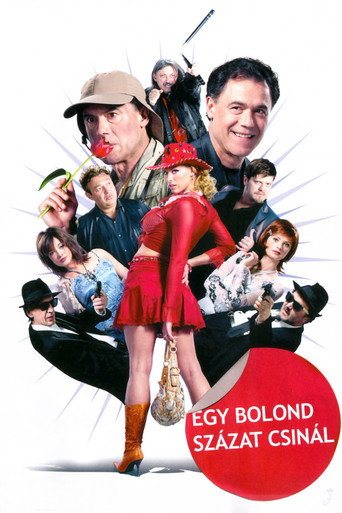
Egy bolond százat csinál
László Dömötör, the divorced registrar, cannot get rid of his ex-wife any more than he can get rid of marriages. He is desperate to find new love, with little success. After Dömötör gets drunk as a tension reliever at work and turns one of his weddings upside down, his boss fires him. On his way out, he catches a glimpse of Norbert Lázár, an up-and-coming, semi-secret producer who runs nightclubs. Unconfirmed reports say he died in Africa. The man looks exactly like him. All of this spurs him to a crazy idea. A modernised adaptation of the 1942 comedy.
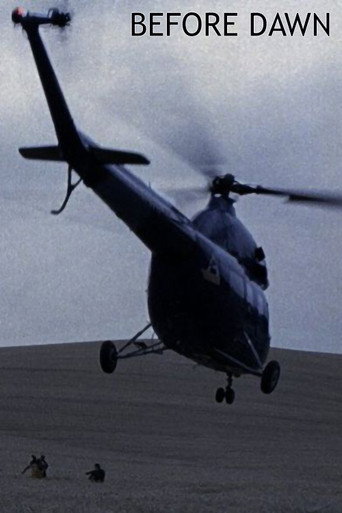
Before Dawn
Before Dawn has a single shot which is several minutes in length. Technically this is immaculate, visually it is stunning. The story is set in a field; where the field is we don't know, but a lone truck drives up into the field and stops. A horn beeps and from beneath the long grass thirty of so people appear and proceed to enter the truck. We take it they hiding from something and this is their doorway. The truck leaves, but only to be greeted by a mass of police and even a helicopter blocking their path.
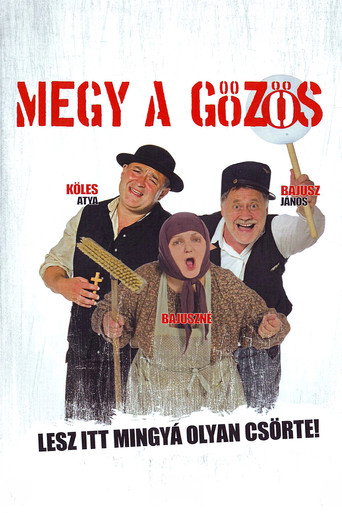
Megy a gőzös
A priceless archaeological find, the “Mother of Barcika”, is loaded onto a special train to tour Hungary, only for fate to derail it at the sleepy Ivaros station. There, the engine, a gendarme, the relic and its guards all end up stranded in a pigsty, igniting chaos: the relic is gambled away, the station master loses control, and the local mayor’s daughter finds unexpected love. In the ensuing mayhem, rivalries, romances and small-town intrigues all collide until order is somehow restored.
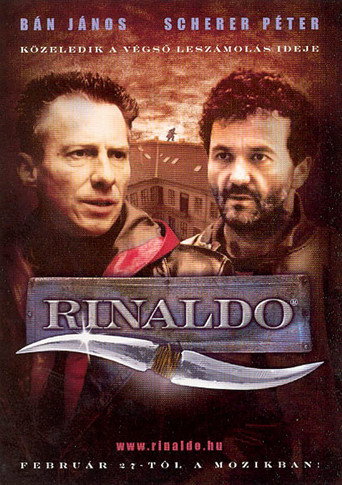
Rinaldó
The Hungarian version of the "The Seven Samurai" and "The Magnificent Seven". A ruthless bandit gang terrorizes the residents of a crumbling Budapest tenement until a group of unemployed steelworkers, rather than samurai or gunmen, steps in to defend them. Amid fierce battles, intrigue and blossoming friendships and romances, a wandering circus knife‐thrower ensures that, unlike the originals, none of the heroes need be buried at the end.
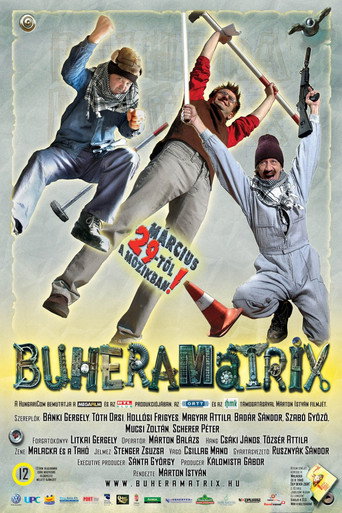
Buhera mátrix
Geri’s life flashes before him in the “Buhera Matrix,” a cringe-worthy slideshow of childhood photos from Pioneer camp to prom night. He relives the absurd clash between Mickey Mouse and socialist youth rituals, debates the perfect horse-chestnut hole size and survives the notorious fruit-game initiation. As the disastrous graduation and its Bavarian-style sacrifices cap off his painfully vivid memories, the film spins forward through Hungary’s late-20th-and-early-21st-century history through the eyes of a ’70s-born generation.
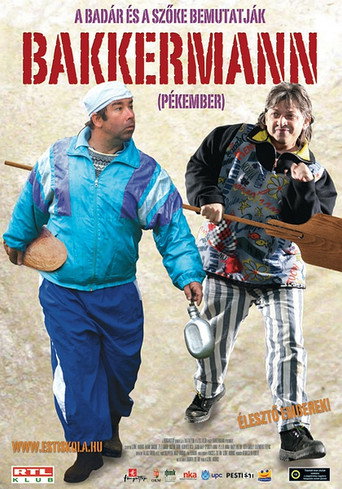
Bakkermann
The story of hopelessness, which is independent and politics. Symbolic little people are faced with the absurdly large accelerated world. Resolutely themselves taken up the challenge, bravely struggling against fate ...
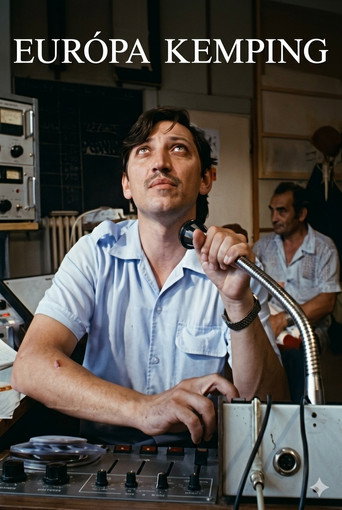
Europa Camping
A pretty mixed society get together in a camping area. They enjoy their vacation and do not know that two of the vacationists are demolition experts, who are looking for a huge bomb which may explode in any minute. Written by Tamas Patrovics
East from the West or The Discreet Charm of the Media
In this Hungarian comedy post communist materialism is satirized. Someone in Hungary has won a large screen TV set. As they live in the country, it must be delivered from Budapest upon the back of an abandoned Russian military truck. The TV is turned on so that all the truck passes will see its perfect picture and hear its messages.
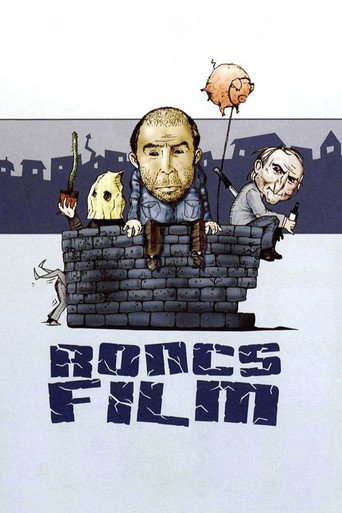
Junk Movie
It is 1989, the year of the demise of socialism in eastern Europe. Nevertheless, the one theme of Junk Movie does not refer to this historical moment of high ideals, quite the contrary, the wild, burlesque of a motif-mozaic seems merely to stick it’s tongue out at the arrogant players of politics who have their heads stuck in the clouds. The film rudely points out the mystery and unapproachability surrounding the every-day existence of politics. The scene is a greasy, falling-down block of a pub called the Gólya and its immediate surroundings.
Gallery