Sébastien Lifshitz Movies, TV Shows, and Filmography
Sébastien Lifshitz
Directing
Biography
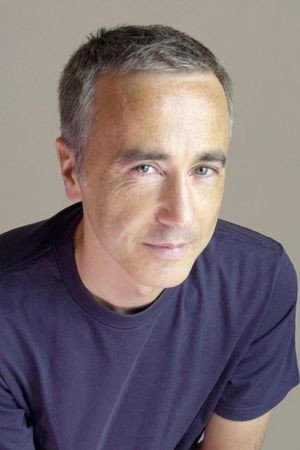
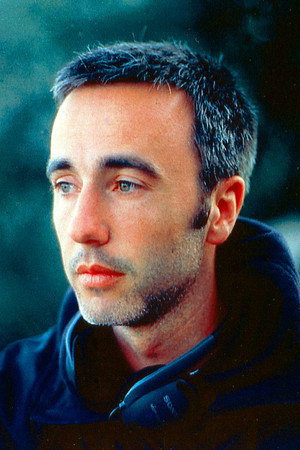
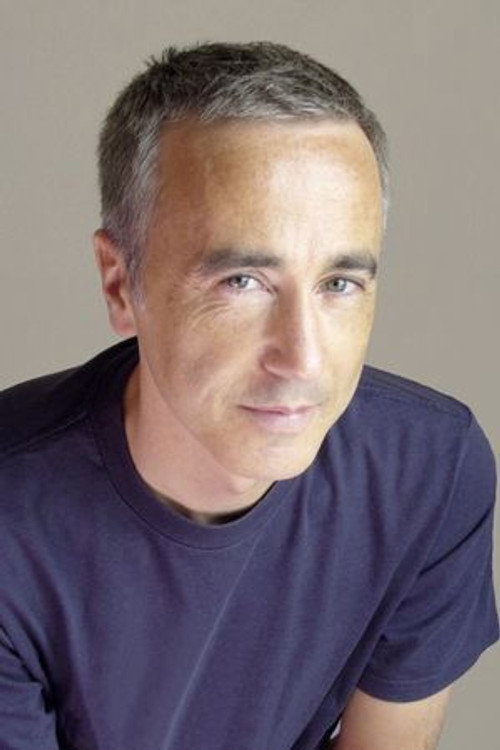
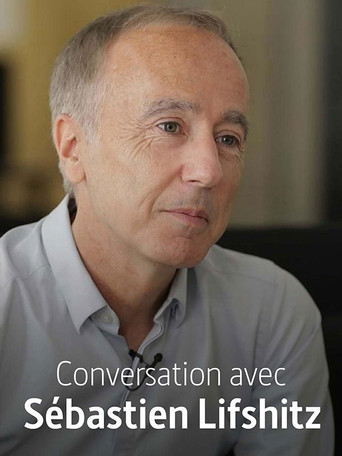
Sébastien Lifshitz (born 1968) is a French screenwriter and director. He teaches at La Fémis, a school that focuses on the subject of image and sound. He studied at the École du Louvre and has a bachelor's degree from the University of Paris in history of art. He is Jewish and gay. Lifshitz's work involves LGBTQ+ themes. His 2004 film, Wild Side, involves several narratives, some told forward and some backward, about a transgender prostitute. He is a two-time winner of the Teddy Award, presented by an independent committee at the Berlin International Film Festival to the year's best films with LGBT themes, winning Best Feature Film in 2004 for Wild Side and Best Documentary Film in 2013 for Bambi, a documentary profile of transgender French entertainer Marie-Pierre Pruvot. In 2014, Rizzoli International published Lifshitz's The Invisibles: Vintage Portraits of Love and Pride, a collection of gay-themed photos from the early 20th century. Description above from the Wikipedia article Sébastien Lifshitz, licensed under CC-BY-SA, full list of contributors on Wikipedia.
Filmography Movies
Acting
Avenue de Lamballe
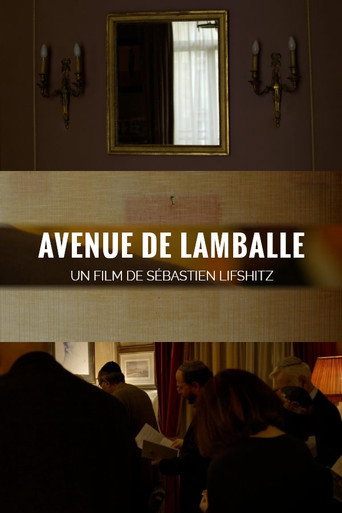
Sébastien Lifshitz wandered around his grandfather's flat on Avenue de Lamballe in Paris. For months, until the place was sold, he filmed it, trying to preserve this trace of his family memory. In 2019, he is returning to these images for the first time.
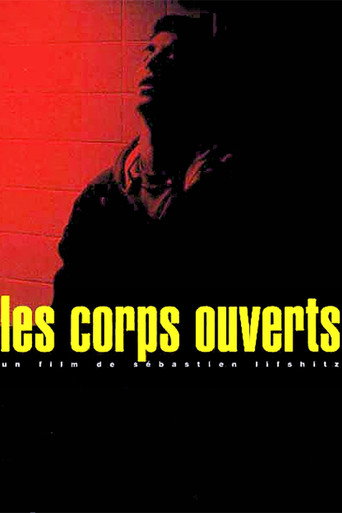
Open Bodies
Born to a North African father and a French mother, 18-year-old Parisian high school senior Rémi works part-time in an Arab grocery store while studying management and commerce. He responds to a school ad seeking subjects for a film, and Marc, who placed the ad, auditions Rémi by filming an interview with him. Rémi and Marc wind up in bed, and Rémi soon has other sexual experiences – with a guy in a men's room and with a young woman who grabs him while she's dancing in the street.
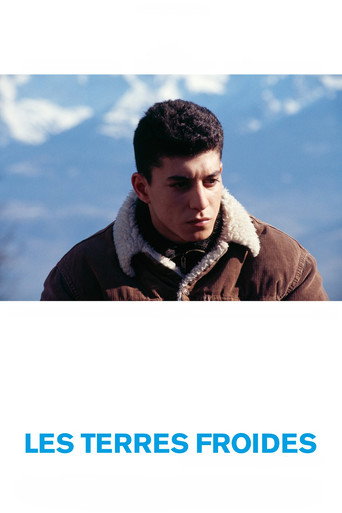
Cold Lands
A young Frenchman of Arab descent, Djamel, becomes convinced that his long-lost father is a rich factory owner in Grenoble. When the man coldly rejects him, Djamel plots a revenge that will implicate the man's closeted gay son.
Production
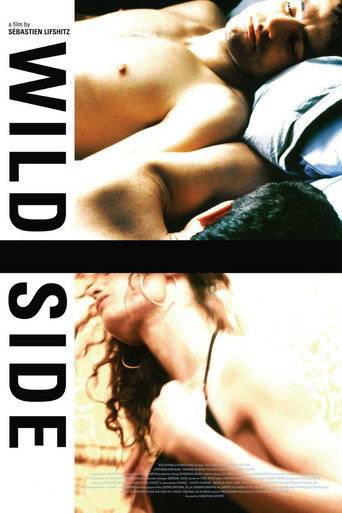
Wild Side
A transgender woman returns — with her two male lovers — to her family home in the countryside to look after her dying mother.
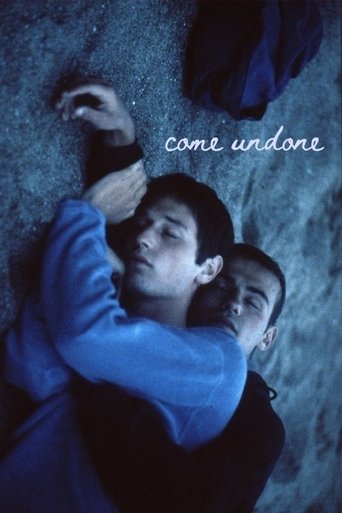
Come Undone
Story of two gorgeous, young French boys who begin a passionate relationship that boils over and threatens to destroy both their lives. Shy 18-year-old Mathieu is on summer vacation in the south of France. He spends his days lazily sunning himself at the beach, until he spies the handsome Cédric and falls in love.
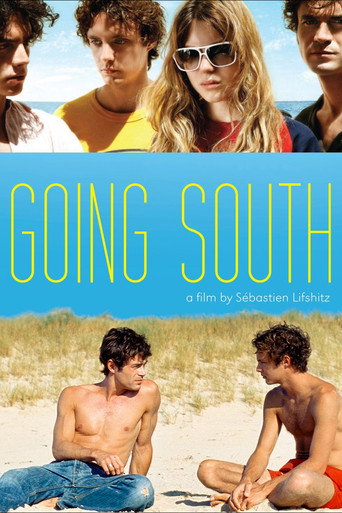
Going South
In the summer, 27 year-old Sam drives towards the south of France in his Ford. He meets Matthieu and his sister Léa and takes them along in his apparently aimless journey. Matthieu has a crush on Sam and tries to seduce him. Léa is a beautiful, young, provocative girl who likes men so much that she got pregnant. She soon brings along Jérémie with them. Throughout the trip, they learn to know, fight and love each other. In spite of a blooming relationship with Matthieu, Sam isolates himself because of his secret: he is headed for Spain to find his long-lost mother.
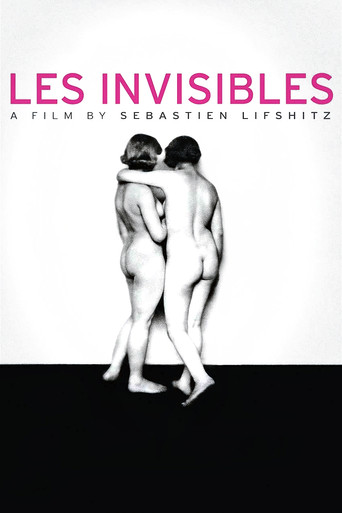
Les Invisibles
Several elderly homosexual men and women speak frankly about their pioneering lives, their fearless decision to live openly in France at a time when society rejected them.
Open Bodies
Born to a North African father and a French mother, 18-year-old Parisian high school senior Rémi works part-time in an Arab grocery store while studying management and commerce. He responds to a school ad seeking subjects for a film, and Marc, who placed the ad, auditions Rémi by filming an interview with him. Rémi and Marc wind up in bed, and Rémi soon has other sexual experiences – with a guy in a men's room and with a young woman who grabs him while she's dancing in the street.
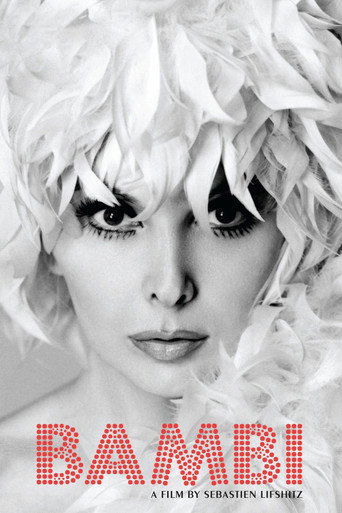
Bambi
Bambi was born Jean-Pierre Pruvot in a tiny Algerian village in 1935. Even as a child, she refused to meet the expectations of her extended family, choosing instead to find a way to become the woman she always knew herself to be. A Cabaret Carrousel de Paris performance in Algiers in the 1950s proved to be all the encouragement she needed to emigrate to the French capital, assume the stage name of ‘Bambi’ and lead the life she longed for on the music-hall stages.
Bambi
Bambi was born Jean-Pierre Pruvot in a tiny Algerian village in 1935. Even as a child, she refused to meet the expectations of her extended family, choosing instead to find a way to become the woman she always knew herself to be. A Cabaret Carrousel de Paris performance in Algiers in the 1950s proved to be all the encouragement she needed to emigrate to the French capital, assume the stage name of ‘Bambi’ and lead the life she longed for on the music-hall stages.
Bambi
Bambi was born Jean-Pierre Pruvot in a tiny Algerian village in 1935. Even as a child, she refused to meet the expectations of her extended family, choosing instead to find a way to become the woman she always knew herself to be. A Cabaret Carrousel de Paris performance in Algiers in the 1950s proved to be all the encouragement she needed to emigrate to the French capital, assume the stage name of ‘Bambi’ and lead the life she longed for on the music-hall stages.
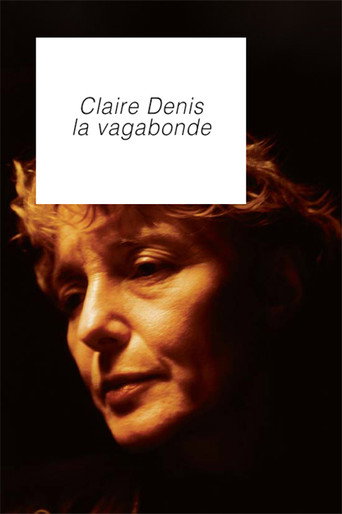
Claire Denis, The Vagabond
In an arrestingly filmed interview (with the questions omitted), Denis offers a spirited and insightful discussion of her films and career. She talks about her films, her career, the directors she admires - such as Renoir and Ozu - the writing of Frantz Fanon, and her convictions in regard to light, sound, montage, tracking shots, and the role of dialogue, which is subordinate to image in her films.
Wild Side
A transgender woman returns — with her two male lovers — to her family home in the countryside to look after her dying mother.
Gallery