Acting
No biography available.
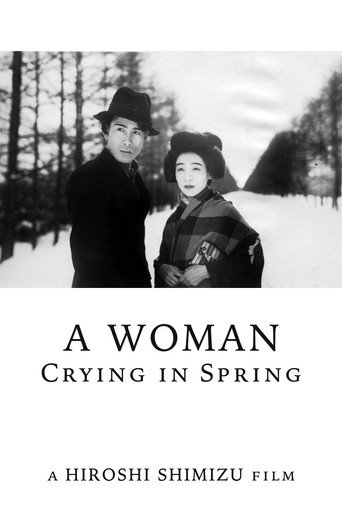
Kenji and Chuko travel to Hokkaido as migrant workers and enlist as miners under the strict leadership of Guzuyasu. On the boat journey to Hokkaido, Kenji attracts Ohama, who is travelling to Hokkaido to open a bar. When Kenji visits the bar, he chases away a sailor who was hassling a shy girl, Ofuji, which makes Ohama jealous.
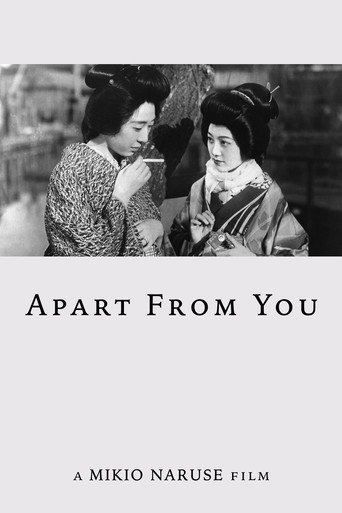
An aging geisha, whose angry teenage son is ashamed of her profession, works alongside a young geisha, resentful of her family for forcing her into a life of ignominy.
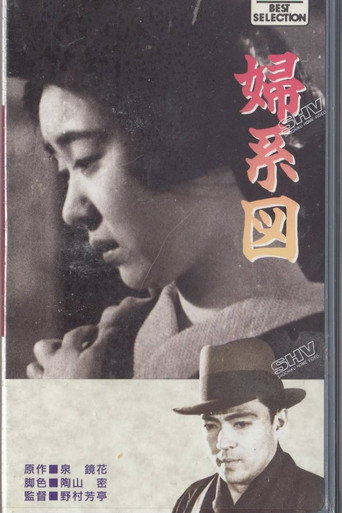
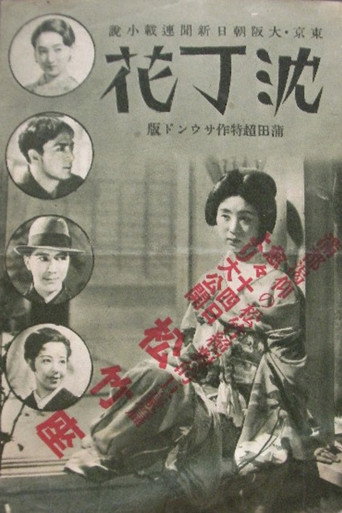
A melodrama by noted auteur and father of director Yoshitaro Nomura, Hotei Nomura. This is apparently the first adaptation of Izumi Kyoka's The Romance of Yushima.
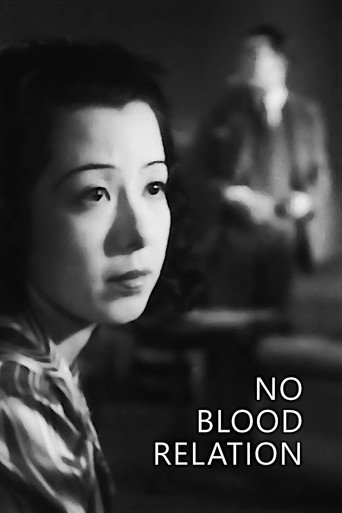
After losing their parents, Eiichi and his sister Kikue are taken in by their aunt and uncle. Kikue is sent to Tokyo to work as a servant. Left alone, Eiichi wants a model airplane that a friend at school has, but finds found solace in reading the model-making instructions in a magazine that his sister sent him. One day, Eiichi gets into a fight and falls into a river, contracting pneumonia. Presumed to be a lost film.
Directed by Mikio Naruse. It is presumed to be lost.
An actress returns to Tokyo after a successful stint in Hollywood to reclaim—with the help of her gangster brother—the daughter she abandoned years before.
Early silent film from Hiroshi Shimizu.
Japanese film from 1933, adapted from Masao Kume's serialized newspaper novel.
Created by Shochiku’s cultural film department on behalf of the Ministry of Education, this film tells an ironic anecdote juxtaposing the fate of a cooper’s son with that of the son of a middle-class salaried worker, and championing the virtues of honest poverty and diligence. An educational film preaching a fable-like message, it is however filled with humorous scenes that offset the film’s didacticism. Original director Yoshio Nishio fell ill and was replaced halfway through the shooting by the admired filmmaker Hiroshi Shimizu; though finished in May 1931, the film was shelved and never given a general release. Shot as a silent film, this version of the film features musical accompaniment, sound effects, and a spoken commentary track by a benshi narrator, thus bearing witness to the variety of forms taken by sound film during this transitional period.
Japanese home drama starring Kinuyo Tanaka.