Acting
No biography available.
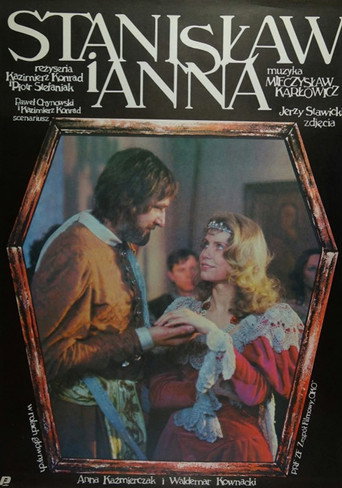
The 17th century, the reign of King Władysław IV. The half-siblings of Stanisław and Anna Oświęcim have been linked by love since childhood. During the feast, a conflict arises between Stanisław and Zebrzydowski, Anna's competitor. Stanisław is wounded in a duel. Anna bandages him in her room. There is a rapprochement between them. Stanisław leaves for the Vatican to obtain a dispensation from the Pope for a wedding with Anna. Meanwhile, Anna repents, misses, prays and refuses to eat. Not a single word is spoken in the movie. The mood is built by Karłowicz's music.
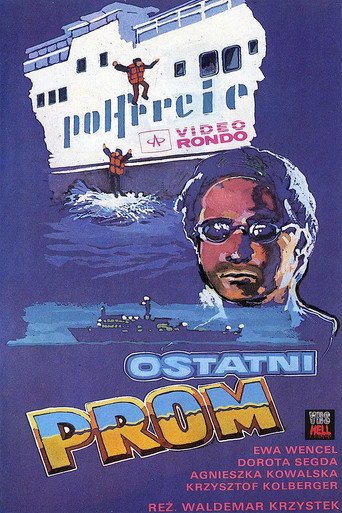
One of the passengers on a ship carrying Poles on a cruise in December 1981 is a dissident high school teacher sent abroad by Solidarity. He is under surveillance of the secret police, anxious to get their hands on the info that he is carrying. When the ship is in the middle of the Baltic sea, martial law is declared and the ship is militarized. The captain announces he will turn and return the home port. Many anguished passengers put the life vests on and jump into the sea, where they are picked up by two German ships. The teacher, however, decides to return to Poland and continue the struggle for freedom.
Bartłomiej, community elder and orator, must choose an appropriate successor, but finds difficulty in the aftermath of a local girl's tragic hit-and-run death. A community's pain reverberates through fractured relationships and the burden of funereal responsibility.
A small town somewhere in Poland. "Małolat", a member of a nationalist militia, is blackmailed into planting a bomb at an LGBT rally in Warsaw. However, he does not know that his gay brother will be at the demonstration. The mother of both characters will get involved in the whole situation. The young man faces a dramatic choice.
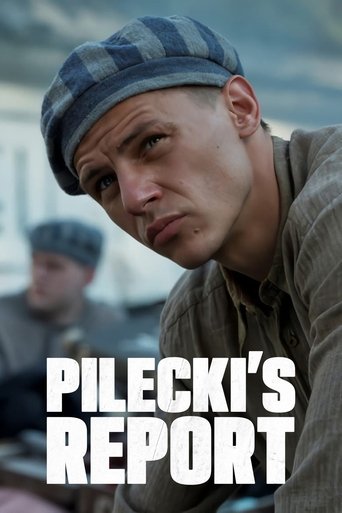
Polish WWII resistance fighter Witold Pilecki infiltrates Auschwitz, is imprisoned and interrogated by communist officials post-war, depicting his wartime experiences, incarceration, torture, and 1948 execution for opposing Soviet regime.
Wojciech, who does not feel the ubiquitous joyful atmosphere, meets someone who changes his holiday plans. In turn, Karina and Szczepan get embroiled in a fight for an inheritance that may divide even their loved ones. They will see if the only thing that comes out well with the family is in the photos.
A television staging of the 1941 Brecht play, The Resistible Rise of Arturo Ui.
After fun-loving metalhead Jacek is disfigured in an accident at work, he becomes the first person in Poland to receive a face transplant. This leads to his status as a media spectacle and martyr, all while battling ensuing identity issues as a consequence.
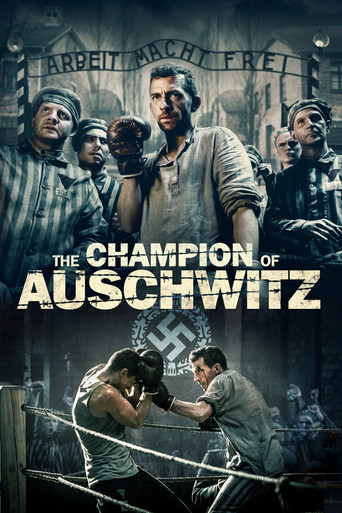
It is 1940. The first transport of prisoners arrives at the newly created concentration camp Auschwitz. One of them is Tadeusz “Teddy” Pietrzykowski, pre-war boxing champion of Warsaw. The camp officers force him to fight in the ring for his and other prisoners’ lives. However, his every win strengthens the hope that Nazis are not invincible. Auschwitz officers notice the growing resistance. The confrontation with the authorities of the camp becomes inevitable.
Policemen from two precincts are joining forces to fight the Mokotowska Group.