Acting
No biography available.
A thrilling story about the liquidation of a Polish terrorist group in Slovakia in the post-war years.
In the villa of the party dignitary, the fates of Stanisław, his son's friends, Zbyszek, a worker leaving the army, and the head of the thieves' gang, cross. The film was shelved by the censors for 27 years before finally getting a limited release in 2009.
A young man, attacked by thugs, seeks shelter in a random apartment block.
This film is a sequel to Munk's Zezowate Szczescie and it's much the same, only more so. The film begins in a cinema, where the last scenes of Zezowate Szczescie are being shown. Born unlucky, a victim of the errors and distortions of Stalinism, he is released in 1956. He meets a politically feverish woman, her influential parents, and finally becomes the father of her child. But bad luck, or perhaps an unlucky era, will not let him forget.
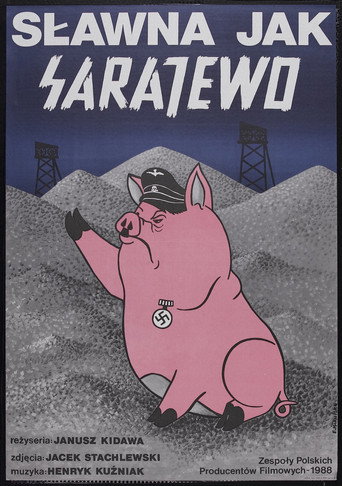
The authorities in favor of the Nazis are trying to restore order in a small town in Silesia. Their actions are fiercely resisted by a small group of residents.
In the mid-1960s, a respected surgeon dreams of leaving Poland to see his wife and daughter in England. To get the money for his escape, he needs to consider taking part in a bank robbery.
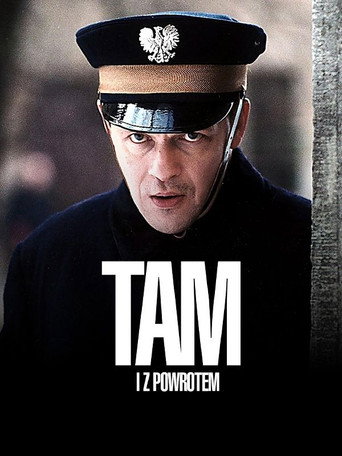
Poland, 1945. Crowds of repatriates are traveling from east to west in search of new homes and loved ones lost during the war. At one of the train stations, a young woman, Hanna Powiłańska, sits among the crowd of displaced persons. The girl recalls a story of turbulent love. Before the war, at a carnival ball, she met the handsome Lech Oleszkiewicz. In September, war broke out. Hanna meets the engineer again and spends the night with him. In the morning, the man tells her that he is married. Hanna breaks off the relationship.
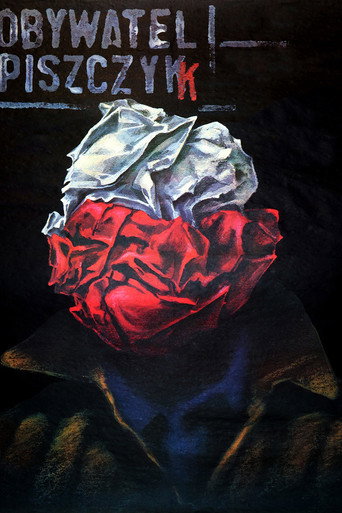
Ryszard Ochódzki receives a special assignment for UB - infiltrating the "Solidarity" party branch in Suwałki. His arriving there coincides with the imposition of martial law on Poland.
Poland's winning battle against Soviet Russia as seen through the eyes of two young protagonists, Ola and Jan. She is a Warsaw cabaret dancer, while he is a cavalry officer and poet who believes in socialist ideals
Zbyszek Butryn returns to Poland from exile to help win the Solidarity elections. His children, staying in orphanages, who intend to find him, learn about his father's return.