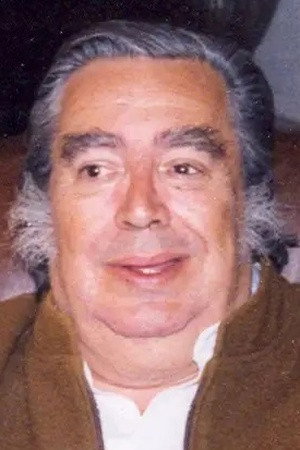
Rui Luís Movies, TV Shows, and Filmography
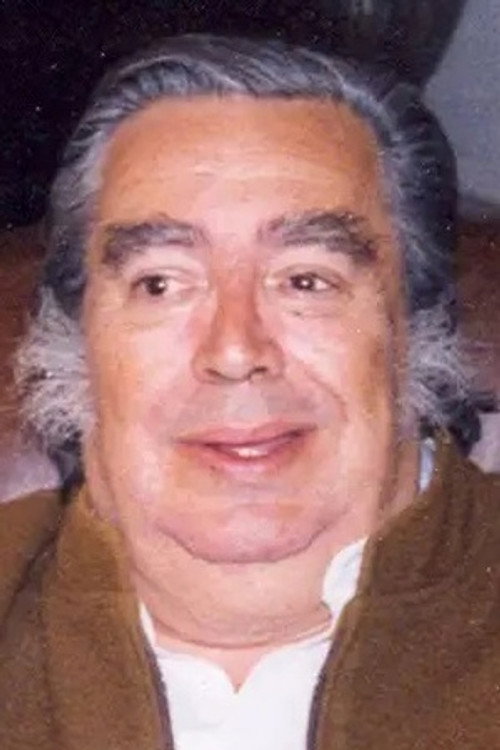
Rui Luís
Acting
Biography
No biography available.
Filmography Movies
Acting
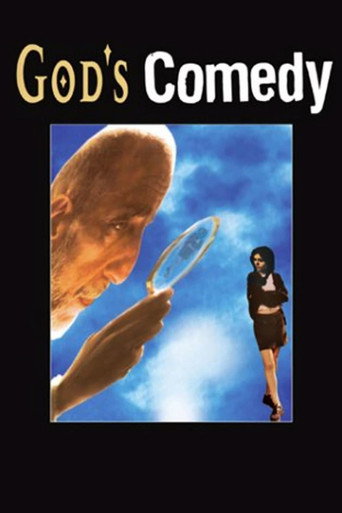
God's Comedy
An ice-cream seller lusts after the female employees in his shop.
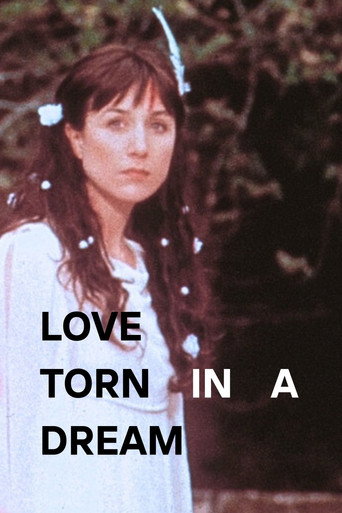
Love Torn in a Dream
A serious young man of free spirit is forced by his surroundings to become rich at all costs. A group of blind children tries to open the eyes of the unbelievers to the Christian faith. Retired nuns who open a brothel, to pay the running costs of the convent. These rather ironic paradoxes turn this fairytale into a philosophical fable.
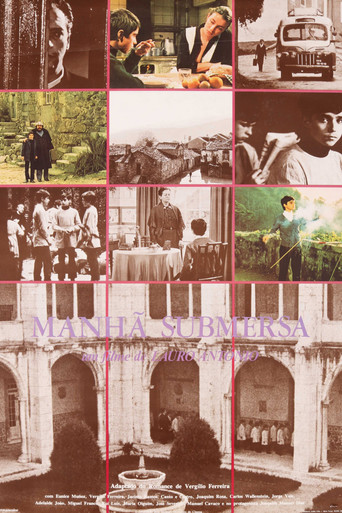
Manhã Submersa
Estefânia is an old, rich, strict catholic woman, and when she sets her eyes on a couple of servants who have no means to bring up properly their youngest son, António, she decides to move her influences in order to make a priest out of him. The parents accept it, the local priest and even the Seminar's rector accept it, and António accepts it - if not for piety, for obeyance to his parents. Once time goes by, and António is out of rural misery and into the prison-like system of a seminar, doubts and anguishes mount within him.

A Bomba
A group of innocent hostages is left to their own deaths facing a clockwork bomb, while the whole country watches them on the TV.
Paraíso Perdido
Cristina is twenty years old. Her father was declared missing in action during the war in Angola many years before. One day in church the girl meets a man about fifty years old who tries various times, unsuccessfully, to make the sign of the cross. The man is called Cristovão. A few days later the two meet again. The man offers to help her look for her father. A relationship based on memories and confessions is formed between them. But soon they each return to their own solitude.
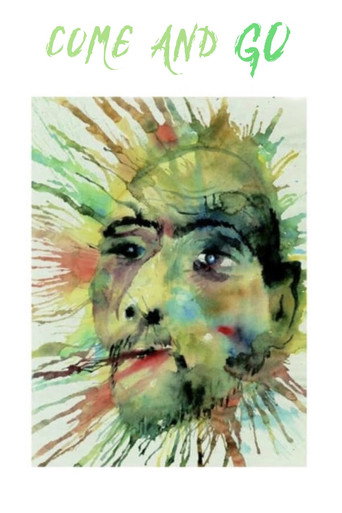
Come and Go
João Vuvu, lives alone in a house that requires regeneration but due to being alone he is unable to do the work. On his son's release from prison and João's ensuing deception triggers a series of somber events.
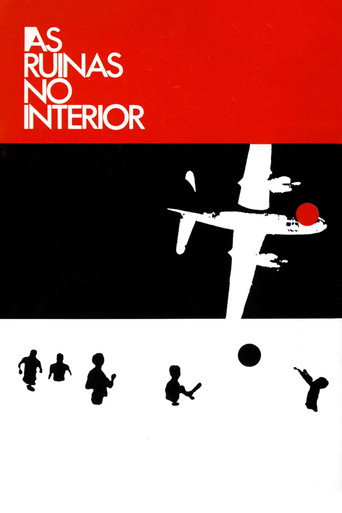
The Ruins of the Interior
During World War II, during a misty morning, near a fishermen's village, four children come across two RAF pilots ejected from a plane that crashed in the sea.

O Rapaz do Trapézio Voador
One bad thing never comes alone, says the people. The village Estrela is threatened by the waters of the new Alqueva dam. It will become an "island". But, as one bad thing never comes alone, the daily lives of the inhabitants of this small mountain village are changed by the death of Adriano. "In order to create, I destroyed myself; I have so much externalized within myself that within me I exist only outwardly. I am the living scene where various actors perform various plays." (from Livro do Desassossego by Fernando Pessoa), as Adriano liked to quote Adriano. He committed suicide on the day of the village feast, hanging himself in the main square. For Adriano, the main square of the village has long been the center of the world. Adriano felt surrounded, depressed, unable to escape his destiny. "No one can stop a man who travels with suicide on his lapel" Adriano repeated to Lisete, always to the point of exhaustion.
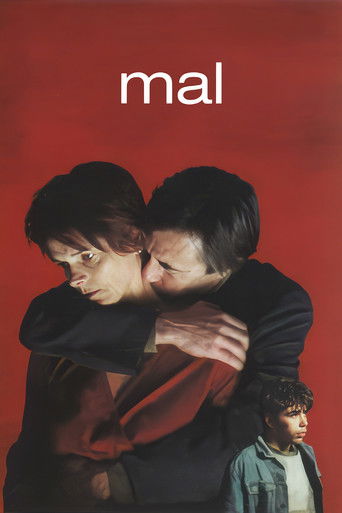
Bad
Concerns an Irish woman, Cathy (Pauline Cadell), who dearly loves her Portuguese lawyer husband, Pedro (Rui Morisson); however, unbeknownst to her, he engages in one tryst after another. Cathy soon finds herself trying to help a young delinquent get off heroin, while the youth's desperate mother joins a weird religious cult. In other segments, an elderly man is nearly driven mad with grief at the loss of his granddaughter in a train station, while a down-and-out jeweler ushers the young girl to a hotel room.
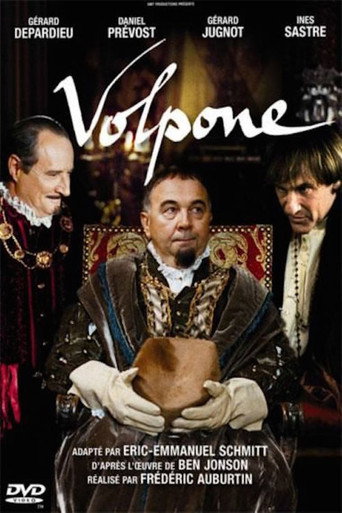
Volpone
A version of Ben Johnson's play: A Venetian swindler goes from town to town pretending to be a dying millionaire in order to attract (and dispose of) greedy "friends".
Gallery