Directing
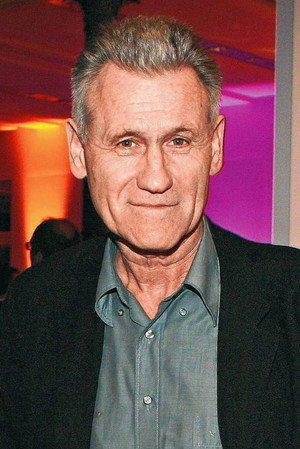
Rudolf Thome (born 14 November 1939) is a German film director and producer. He has directed more than 30 films since 1964.
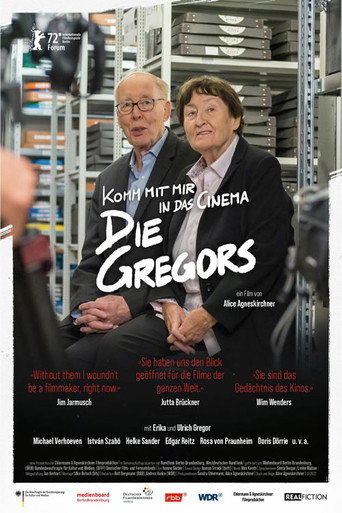
From the 1950s onwards, Erika and Ulrich Gregor brought countless film historical milestones to Berlin and shaped cinema discourse in post-war Germany. A look at the life and work of the couple without whom Arsenal and the Forum wouldn’t exist.
Blank's TV documentary on Straub-Huillet.
A cheerful, amusing and melancholic look back at the Munich film festival from the perspective of the people who make up the film festival.
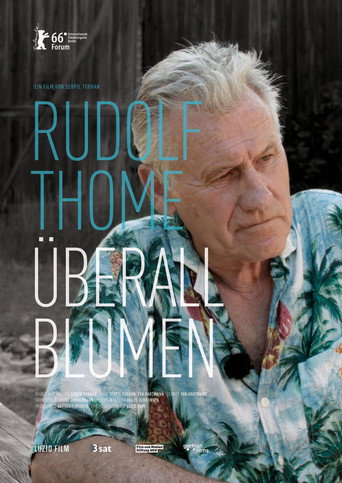
Rudolf Thome’s idiosyncratic oeuvre was created with a continuity rare in German cinema – he has directed 28 feature-length films over more than four decades since 1968. The writing of the script for film no. 29 and the parallel efforts to secure financing form the thread that runs through this cinematic portrait, which consists wholly of conversations and observations around Thome’s home, a converted farm in Brandenburg. The filmmaker is nothing if not forthcoming, and the viewer has the opportunity to experience him in various other roles: as a gardener, a father, a cyclist, and a performer of his own persona.
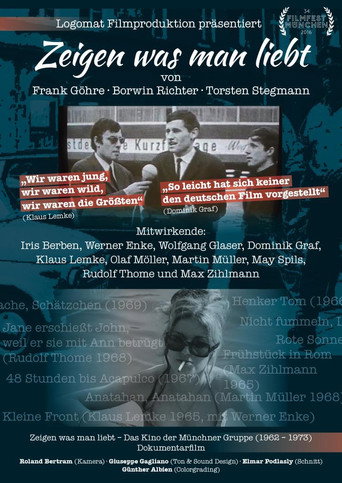
In the 1970s, the Munich Group set about revolutionizing German film with low budgets and an excess of creativity. The Bungalow bar next to the Türkendolch theater was their meeting place, who were inspired by the French New Wave and New Hollywood. Munich Group star Iris Berben takes us on a journey back through time, a wild trip full of film clips and interviews with major figures of an unforgettable era.
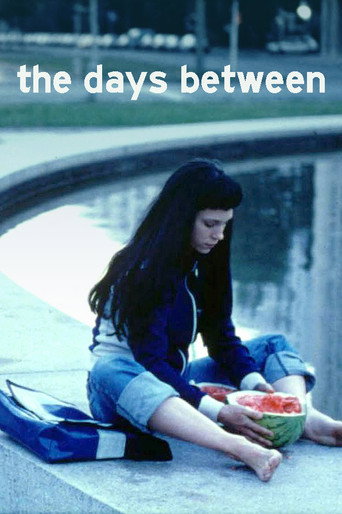
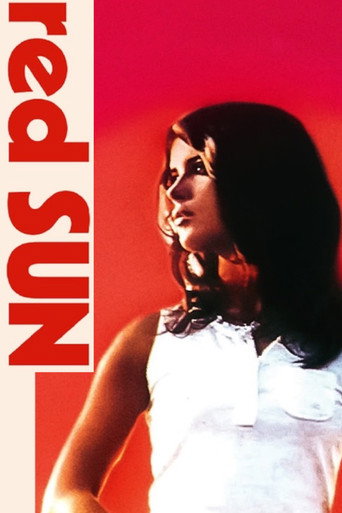
Lynn is a cheerful 22-year-old who works at a cafe and lives with her brother. Though she has no real direction in life, she is happy. Conversely, her boyfriend, David, is a career-driven swimmer who seems to care only about his training. Then Lynn meets Japanese exchange student Koji, and, though they speak different languages and spend most of their time together in silence, the two soon become closer than she and David had ever been.
Loosely adapted from Goethe's novel on the social conventions of marriage raised to level of symbolic parable.
A film by Karin Thome.
The story of a woman who has to choose between two men. Shot in black and white and in the classic silent movie format. There is no camera movement, neither a pan nor a drive and certainly no zoom. Everything is extremely simple: the title, the title credits, the music (a flute sonata by Bach), the story that is told.
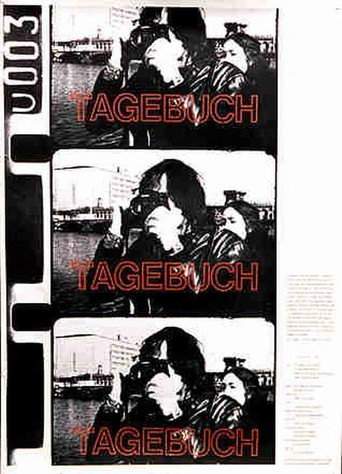
A man, alone in Berlin. He sleeps and watches TV, walks through the city. A woman approaches him. Does he feel like having coffee with her? No.
Thomas hitchhikes from Hamburg to Munich where he meets his ex-girlfriend, Peggy. Thomas doesn't have a bed for the night and goes home with Peggy, not knowing that she and her four roommates have all made a strange pact.
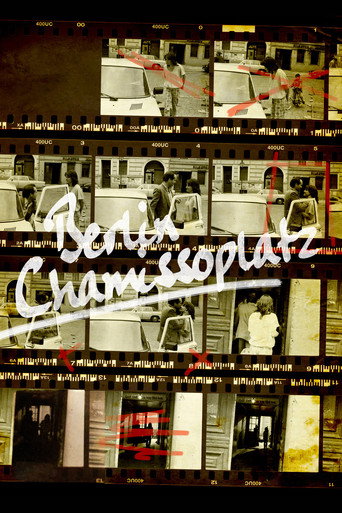
An architect is assigned to modernize a squatted house in the Kreuzberg district of Berlin. But then he meets a young student who is member of a grassroots initiative trying to preserve the quarter. He falls in love with her, although this puts him into conflict with his job. Following his heart, the architect soon changes sides and supports the inhabitants in their struggle against the real estate speculators.
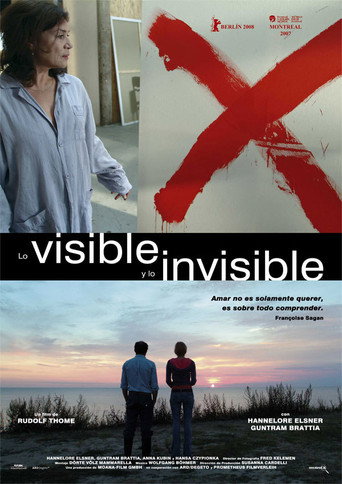
Mary and Marquard are painters and lovers, with a common life. Once Marquard gets a prize of a considerable sum of money, his artistic creativity wanes. While Mary works in a series of paintings, Marquard visits his friend Gregor, a horse breeder and philosopher, sleeps with Angie and visits repeatedly her daughter Lucia. Marquard and Lucia, who have begun a tender and compassionate father-daughter relationship, spend two days in a seaside hotel, deciding not to speak in words. The feelings and communication emerge from a very special way. Mary, who does not know the whereabouts and the reason of the absence of Marquard, realizes it by herself: their love is over. Then, she abruptly interrupts her work so far and starts a new painting entitled "The visible and invisible."
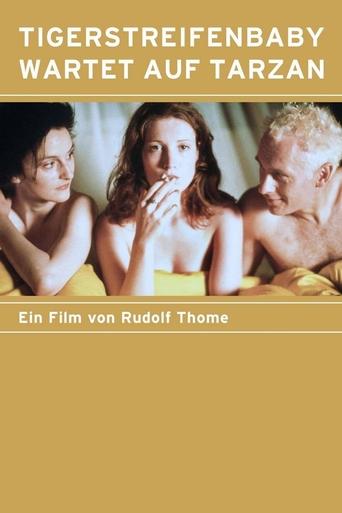
Time traveler Frank is picked up by Luise and Theo while on their way to Berlin. Frank wants to find author Laura Luna and take her to the future with him. Frank finds Laura and they become a couple, but Luise shows up and makes it a menage a trois.
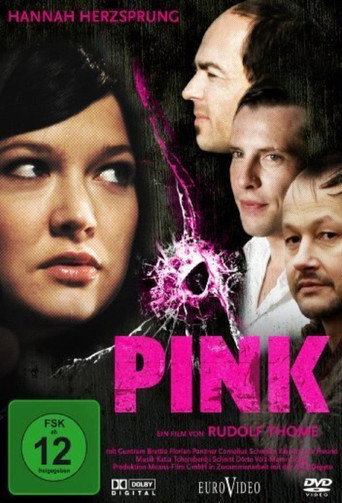
Pink is a punk-poet. She's young, beautiful, successful – but whom of her admirers should she marry? She makes a decision with the help of a calculator. Unfortunately, her first husband is a flop – so there are still two other possibilities...
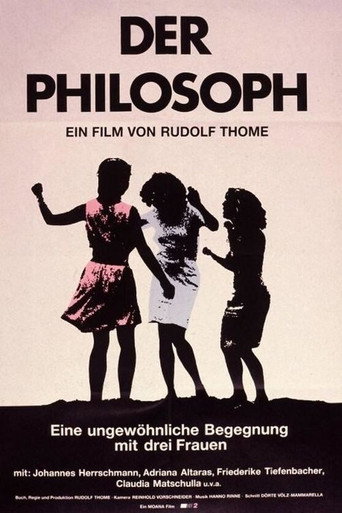
The obscure philosopher Georg Hermes almost withdrew from the world to concentrate on his studies, especially Heraclitus, having no relationship since his mother's death. When he wants a new suit for a lecture (actually very minor) about his new book, he meets the sisters Franziska, Breate and Marthe, who run a boutique, share a house and have a lover each. Those invite Georg to dinner, Franziska even on dates. Falling off a boat he gets naked with her, and they become lovers. The girls all take to Hermes and get him to move in, spoiled by all and offered polygamy.
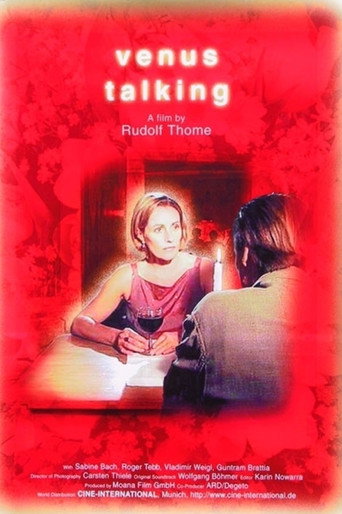
Novellist Venus lives with her family out of Berlin and moves temporarily to the city where she is starting to write a new book. Her fans can watch her via a webcam. Away from husband and children she begins an affair with Fabrizio...
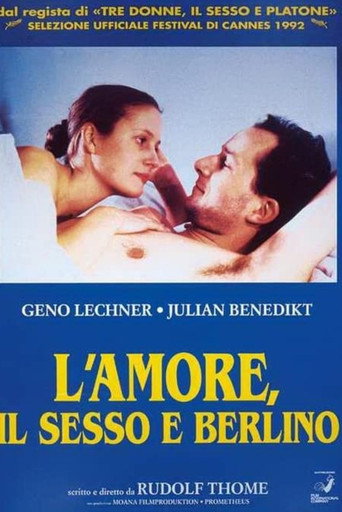
After the German reunification: A widowed, unemployed archaeologist with two children and a single futurologist with a little daughter in Berlin fall in love at first sight and persistently and unwaveringly develop a life together. An equally unspectacular and rigorous examination of love as a crucial basis for private and political action.