Rudolf Hess Movies, TV Shows, and Filmography
Rudolf Hess
Acting
Biography
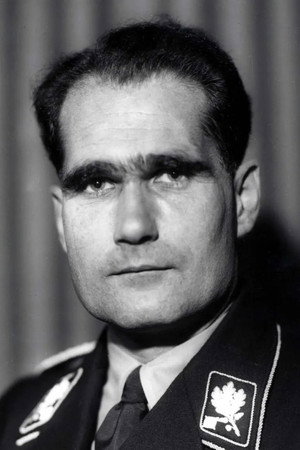
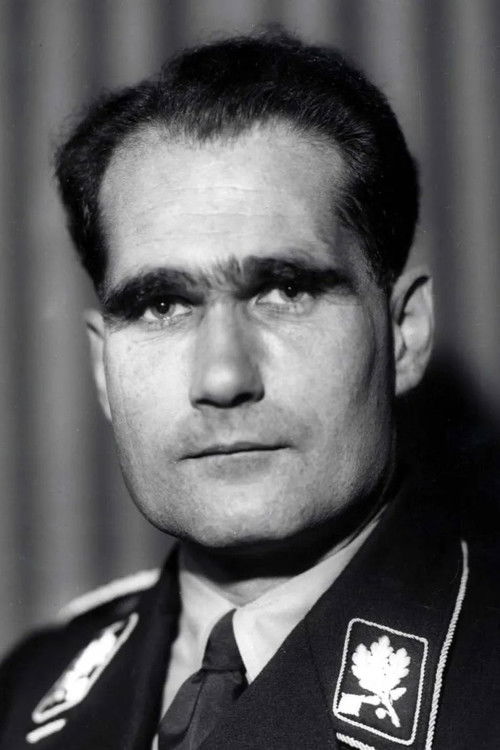
Rudolf Walter Richard Hess (26 April 1894 – 17 August 1987) was a German politician and a leading member of the Nazi Party in Nazi Germany. Appointed Deputy Führer to Adolf Hitler in 1933, Hess held that position until 1941, when he flew solo to Scotland in an attempt to negotiate peace with the United Kingdom during World War II. He was taken prisoner and eventually convicted of crimes against peace. He was still serving his life sentence at the time of his suicide in 1987. Hess enlisted as an infantryman in the Imperial German Army at the outbreak of World War I. He was wounded several times during the war and was awarded the Iron Cross, 2nd Class, in 1915. Shortly before the war ended, Hess enrolled to train as an aviator, but he saw no action in that role. He left the armed forces in December 1918 with the rank of Leutnant der Reserve. In 1919, Hess enrolled in the University of Munich, where he studied geopolitics under Karl Haushofer, a proponent of the concept of Lebensraum ("living space"), which became one of the pillars of Nazi ideology. Hess joined the Nazi Party on 1 July 1920 and was at Hitler's side on 8 November 1923 for the Beer Hall Putsch, a failed Nazi attempt to seize control of the government of Bavaria. While serving a prison sentence for this attempted coup, he assisted Hitler with Mein Kampf, which became a foundation of the political platform of the Nazi Party. After Hitler became Chancellor in January 1933, Hess was appointed Deputy Führer of the Nazi Party in April. He was elected to the Reichstag in the March elections, was made a Reichsleiter of the Nazi Party in June and in December 1933 he became Minister without Portfolio in Hitler's cabinet. He was also appointed in 1938 to the Cabinet Council and in August 1939 to the Council of Ministers for Defence of the Reich. Hitler decreed on the outbreak of war on 1 September 1939 that Hermann Göring was his official successor, and named Hess as next in line. In addition to appearing on Hitler's behalf at speaking engagements and rallies, Hess signed into law much of the government's legislation, including the Nuremberg Laws of 1935, which stripped the Jews of Germany of their rights in the lead-up to the Holocaust. On 10 May 1941, Hess made a solo flight to Scotland, where he hoped to arrange peace talks with the Duke of Hamilton, whom he believed to be a prominent opponent of the British government's war policy. The British authorities arrested Hess immediately on his arrival and held him in custody until the end of the war, when he was returned to Germany to stand trial at the 1946 Nuremberg trials of major war criminals. During much of his trial, Hess claimed to be suffering from amnesia, but he later admitted to the court that this had been a ruse. The court convicted him of crimes against peace and of conspiracy with other German leaders to commit crimes. He served a life sentence in Spandau Prison; the Soviet Union blocked repeated attempts by family members and prominent politicians to win his early release. While still in custody as the only prisoner in Spandau, he hanged himself in 1987 at the age of 93. After his death, the prison was demolished to prevent it from becoming a neo-Nazi shrine.
Filmography Movies
Acting
Olympia Part One: Festival of the Nations
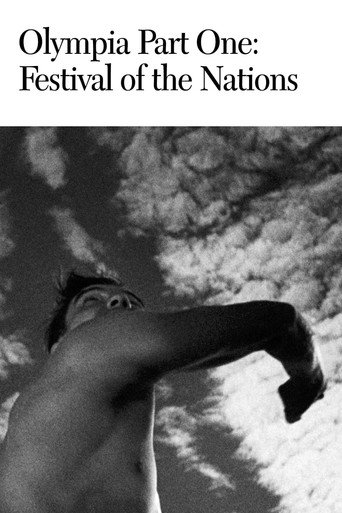
Starting with a long and lyrical overture, evoking the origins of the Olympic Games in ancient Greece, Riefenstahl covers twenty-one athletic events in the first half of this two-part love letter to the human body and spirit, culminating with the marathon, where Jesse Owens became the first track and field athlete to win four gold medals in a single Olympics.
Nuremberg: Its Lesson for Today
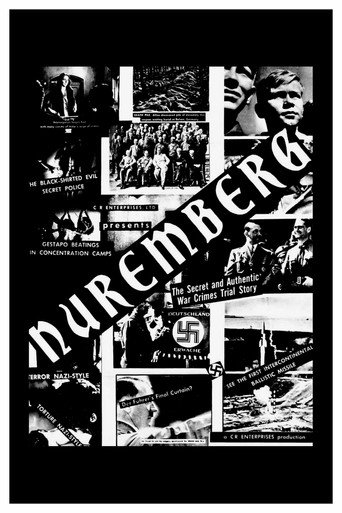
How, in November 1945, after the end of the World War II and the fall of the Third Reich, the international prosecutors participating in the first Nuremberg trial —formally, the International Military Tribunal— built their case against the top Nazi war criminals using the films and records produced by the own regime, obsessed with documenting everything in its long path of infamy and crime.
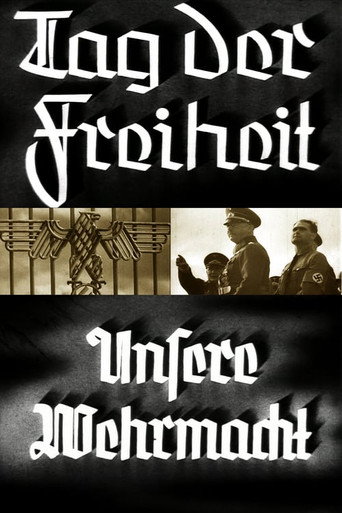
Day of Freedom
The armed forces of the Third Reich, particularly the German army, are presented as an efficient system of bodies and machines at the seventh Nazi Party Rally that occurred in Nuremberg in 1935.
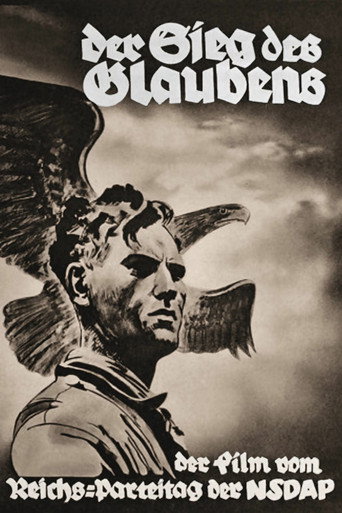
The Victory of Faith
Follows the Fifth Nazi Party Rally (Nuremberg, 30 August–3 September 1933) and shows the then close relationship between Adolf Hitler and Ernest Rõhm.
The March on Rome
The fascinating story of the rise to power of dictator Benito Mussolini (1883-1945) in Italy in 1922 and how fascism marked the fate of the entire world in the dark years to come.
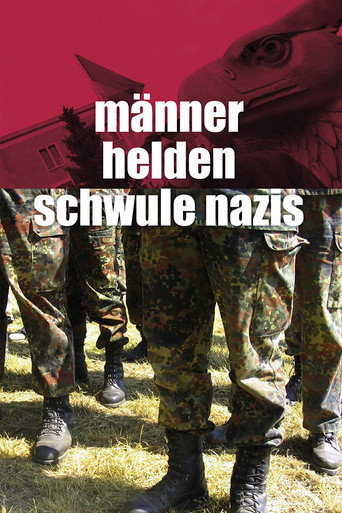
Men, Heroes and Gay Nazis
The film focuses on gay men who align themselves with hard-core right wing views, skinheads and Nazis. Rosa von Praunheim stated of the subjects featured in the documentary, “Some may be shocked that I do not take a stand in my film and do not portray gay neo-Nazis as monsters, but as people living their lives in dramatic contradiction.”
Hitler: A Career
A keen chronicle of the unlikely rise to power of Adolf Hitler (1889-1945) and a dissection of the Third Reich (1933-1945), but also an analysis of mass psychology and how the desperate crowd can be deceived and shepherded to the slaughterhouse.

180
180 (2011) boldly confronts abortion as modern genocide. Ray Comfort uses Holocaust imagery—11 million murdered under Hitler—to expose ignorance via street interviews, asking if people would kill baby Hitler. He then equates 50M+ U.S. abortions to the "American Holocaust," forcing viewers to face the moral horror of child-killing. No evasion: equates elective abortion with premeditated murder of innocent image-bearers. Powerful pro-life wake-up call from Living Waters, ending with urgent repentance. Uncompromising truth exposing bloodguilt. (33 min)
Triumph of the Will
A showcase of German chancellor and Nazi Party leader Adolf Hitler at the 1934 Nuremberg Rally.
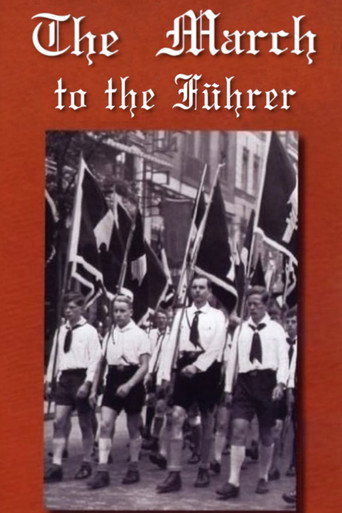
The March to the Führer
During the colorful ceremonies of the Nuremberg rallies, Hitler Youth parade before their Fuehrer and are addressed by Nazi youth leader Baldur von Schirach, Rudolf Hess, and Hitler himself.
Gallery