Acting
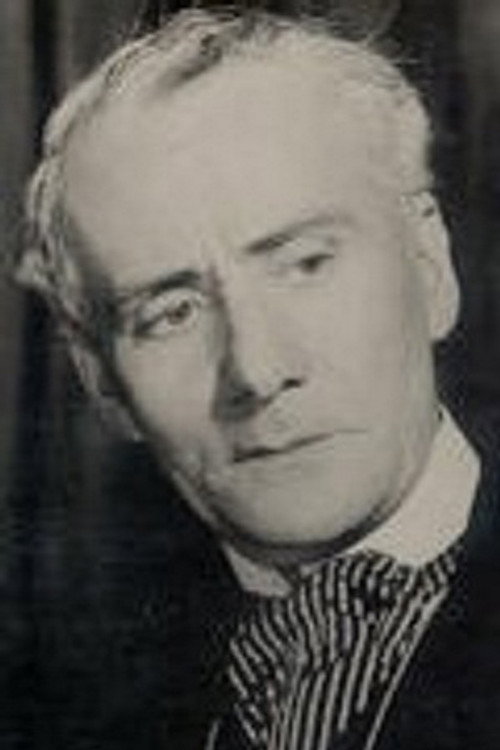
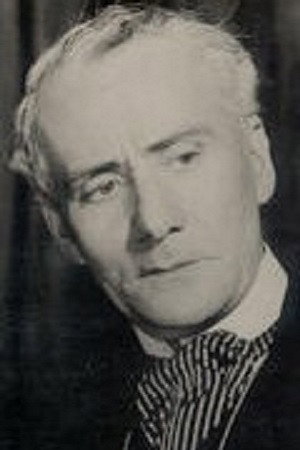
Rudolf Essek was born on 4 March 1885 in Wiesbaden, Hesse, Germany. He was an actor, known for Mädchenjahre einer Königin (1936), Die Wittenberger Nachtigall (1913) and Die Einödpfarre (1915). He died on 11 January 1941 in Berlin, Germany.
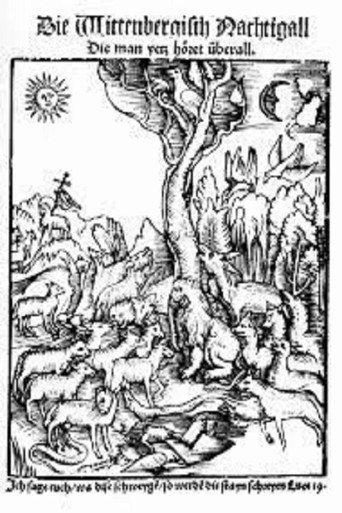
The film depicts the early life of the reformer Martin Luther and was produced by the Berlin and Vienna-based production company Rubin-Film. The premiere took place on September 1, 1913. The showing of the film in Austria was banned because the film was likely to offend religious sensibilities. On April 20, 1921, following a complaint from the producer Báron, this decision was overturned by the film inspection authority with the restriction that the film “may not be shown in front of young people”.
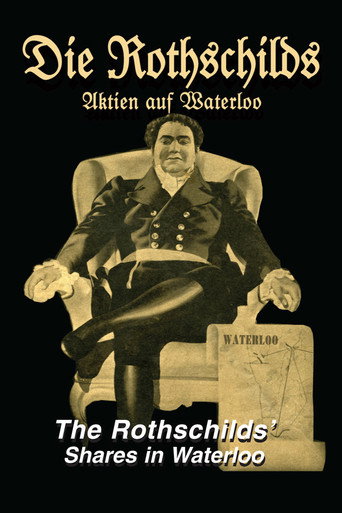
Biopic about the Rothschilds, a Jewish family whose members rose to the top of the European banking community during the Napoleonic era.
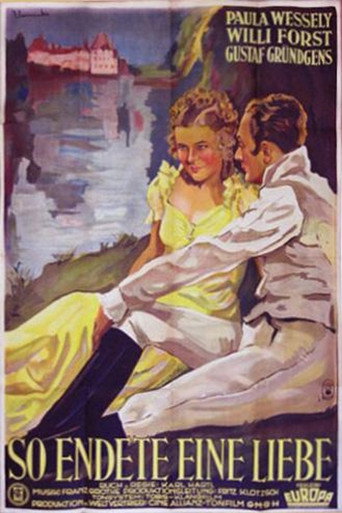
The political advisor to the French emperor Napoleon, and the Austrian emperor Franz I, arrange a marriage between Napoleon and the Austrian archduchess Marie-Luise in order to prevent another war.
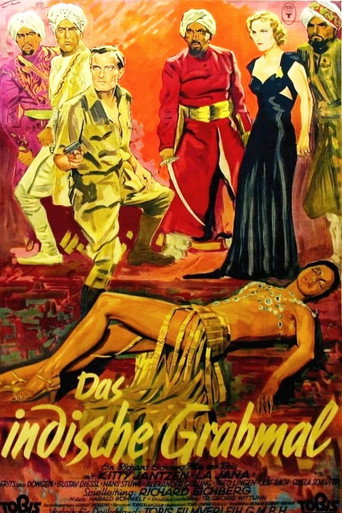
After the events of Der Tiger von Eschnapur, Maharadscha Chandra is ready to execute his well-planned vengeance, in which German architect Peter Fürbringer, his fiancée Irene and his assistant will have to fight for their lives amidst a revolt fueled by traitor Prinz Ramigani.
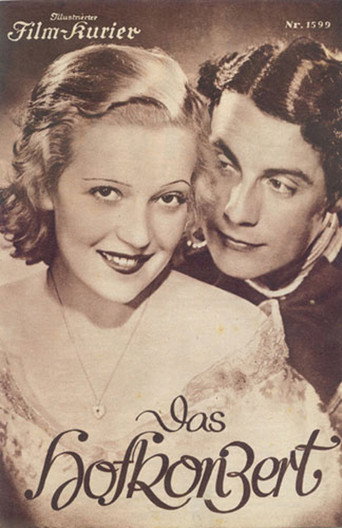
Before he became cult director Douglas Sirk, Detlef Sierck cut his teeth on such lavish European star vehicles as Das Hofkonzert (The Court Concert). Marta Eggerth is cast as Christine, a young singer who aspires to find out who her father was. Her odyssey brings her to the court of a mythical kingdom, where she is romanced by handsome lieutenant Walter (Johannes Heesters). He is warned not to lose his heart to a "commoner," but all turns out all right when King Serenissimus (Otto Tressler) turns out to be Christine's long-lost daddy. Hofkonzert was designed as a comeback for Marta Eggerth, whose star had eclipsed by the mid-1930s.