Árpád Gyenge Movies, TV Shows, and Filmography

Árpád Gyenge
Acting
Biography
No biography available.
Filmography Movies
Acting
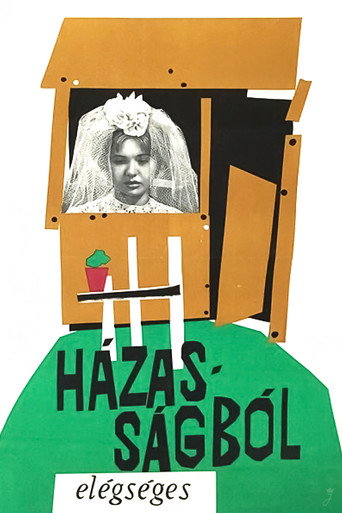
Házasságból elégséges
Blondie and Árpi love each other very much. She is a hairdresser, he is a confectioner. Blondie's parents are divorced and she lives with her grandmother. Árpi loves her parents, but has long been angry with her brother-in-law, whom she knows to be keeping a mistress. Pista turns the parents against Árpi, and after a quarrel, the boy decides to leave home. Then he has an even better idea: marry Blondie. She is just as much of a hebrensch, so she insists on marriage. It's summer, and the Árpi's move to their summer cottage on the top of the hill. But they are unprepared for independence, and so they have a series of conflicts. They quarrel badly, and Blondie moves back home. To Arpi's surprise, her father persuades her to make up with him. Blondie sulks at first, but her lover overcomes her resentment. They try again, together.
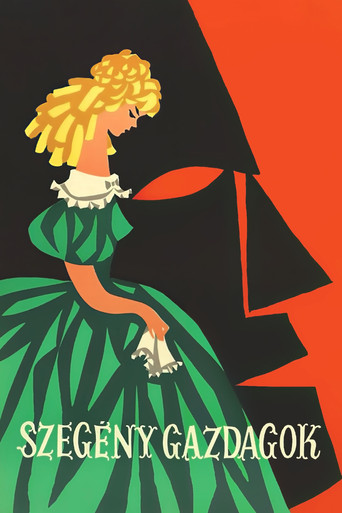
Fatia Negra
The old, sickly Demeter Lapussa is a tyrant in the family. He forces his granddaughter, the beautiful Henriette, to marry baron Hátszegi, although the girl loves the penniless Vámhidy Szilárd. The two lovers attempt to commit suicide, then are torn away from each other.
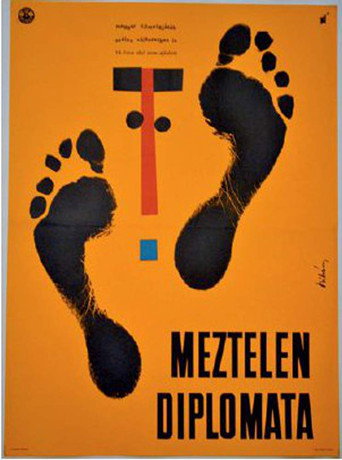
The Naked Diplomat
Félix, a somewhat clod-hopping young man, finds himself in the Grand Hotel of Little Lagonda, barefooted and in pyjamas. He is soon followed by a hooded, fat and leggy gangster. This is all the more strange as the hotel is under quarantine with the pretext of a plague-epidemic, in order to make it a suitable ground for the negotiations of certain oil-companies.
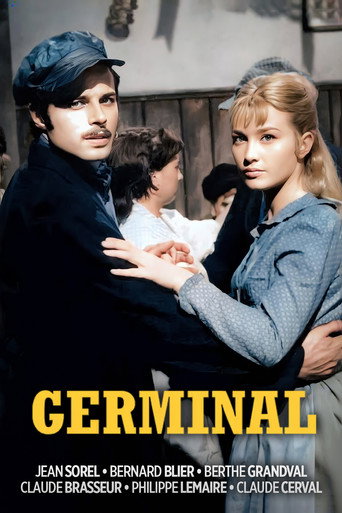
Germinal
Dismissed from the railroads in 1863 for his union activities, Etienne Lantier found a job at the Voreux coal mine. But work was hard, wages were low and safety left much to be desired. Lantier tried to organize the miners into a union. When mine manager Hennebeau refused to negotiate, the workers launched a general strike, which ended with the intervention of the troops.

Másfél millió
Mihai Toth worked for forty years as a watchman in a timber warehouse. On his last watch, there was a fire: the warehouse burned to the ground. The damage amounted to one and a half million forints. It was a terrible blow to Mihai, who had worked honestly all his life. Suddenly it turns out that Mihai has won one and a half million forints in a lottery. Wanting to save his good name, he wants to deposit this sum in the state treasury. But it turned out to be not so easy: the cause of the fire has not been established and Mihai's guilt has not been proved. That's why nobody had the right to take money from him. For a long time Mihai wandered from one institution to another with a request to accept money from him, but everything was in vain. Then the old man tried a trick...
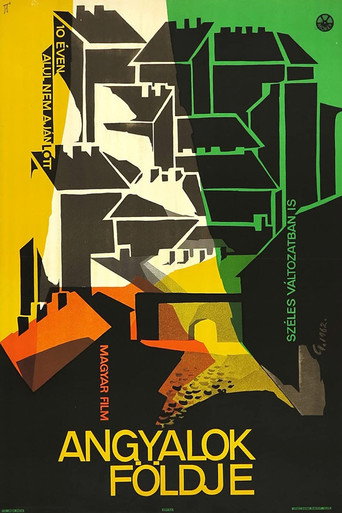
The Land of Angels
The film is a ballad about the dwellers of a block-of-flats in Angyalföld.
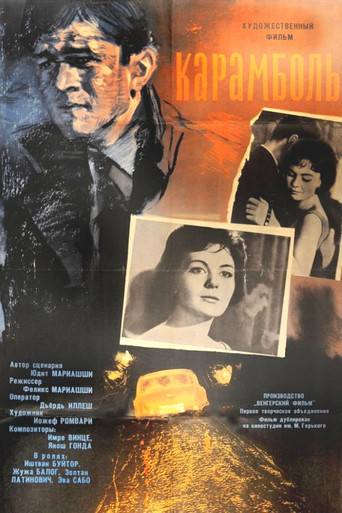
Collision
Terpinkó, the bragging man of muscle likes womanising linked with betting: conquering is a great fun for him. He bet one to a hundred on his new boss, Éva. But the wife of the engineer handles all his tricks with annoying benevolence. Terpinkó falls in love with her and therefore he cannot stand her not returning his feelings.
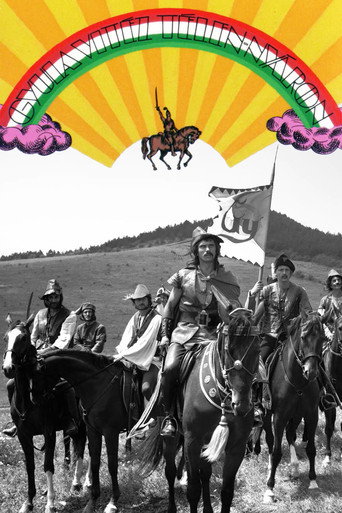
Knight of the TV-screen
This mocking criticism of public life and the media focuses on a TV series. The protagonist of the film, depicting the battles fought for Hungarian castles during the Ottoman occupation, is chosen to be the amateur Prohászka Feri, a worker in the beer-factory.
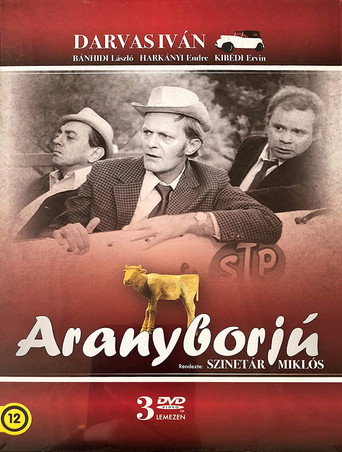
Aranyborjú
In modern Hungary, con artist Bender Oszkár and his motley crew - Barangó and a band of small-time schemers - embark on a series of outrageous scams to track down an “illegal” millionaire and seize ten million for themselves. As they exploit every trick in the book - fake charities, crooked roulette tables, forged documents - their madcap pursuit of easy riches exposes the absurdities and corruptions of contemporary life, with Bender’s fate hanging on whether his “great maneuver” will pay off or blow up in his face.
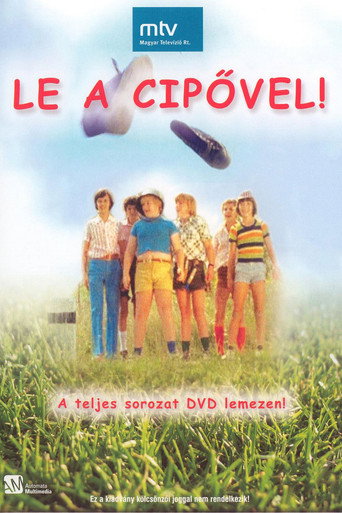
Off the Range
A comedy about a group of children who are spending summer vacation alone in the nature.
Gallery