Roy Wilkins Movies, TV Shows, and Filmography
Roy Wilkins
Acting
Biography
No biography available.
Filmography Movies
Acting
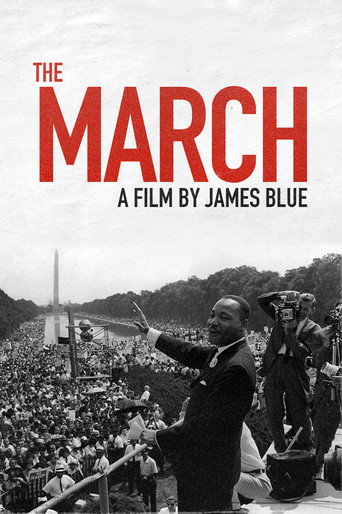
The March
The March, also known as The March to Washington, is a 1964 documentary film by James Blue about the 1963 civil rights March on Washington. It was made for the Motion Picture Service unit of the United States Information Agency for use outside the United States – the 1948 Smith-Mundt Act prevented USIA films from being shown domestically without a special act of Congress. In 1990 Congress authorized these films to be shown in the U.S. twelve years after their initial release. In 2008, the film was selected for preservation in the United States National Film Registry by the Library of Congress as being "culturally, historically, or aesthetically significant". (Wikipedia)
South to Black Power
In his provocative 2021 book, The Devil You Know: A Black Power Manifesto, New York Times opinion columnist Charles M. Blow calls for a “reverse Great Migration” of African Americans from the North back to the South to upend today’s political power structures while reclaiming the land and culture they left behind. South to Black Power does more than illustrate Blow’s enlightening ideas; we journey through Blow’s personal story, from his childhood in Louisiana to his role as father to young adult children in New York City, showing us the hard-won truths behind his vision for the future.
After Civil Rights... Black Power
Report on the nature of "Black Power," and how it can be effectively used. Interviews with Martin Luther King, SNCC head Stokely Carmichael, Floyd McKissick of CORE, and Charles Evers. Reporter is Sander Vanocur.
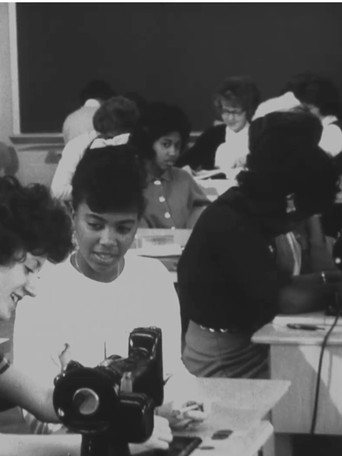
The American Negro
"This unfinished civil rights-era film details how segregation affects the daily lives of African Americans, and includes portions of interviews with James Farmer, Roy Wilkins, Whitney Young, and Ralph Metcalfe. Farmer, Wilkins, and Young were considered to be among the “Big Four” leaders in the U.S. civil rights movement, along with Martin Luther King, Jr. The film also describes the strides and challenges faced by African Americans in the areas of voting, housing, and education. The film was written by Louis Lomax, produced by Willard Van Dyke, directed by Graeme Ferguson, and narrated by Charles Gordone" (US National Archives).