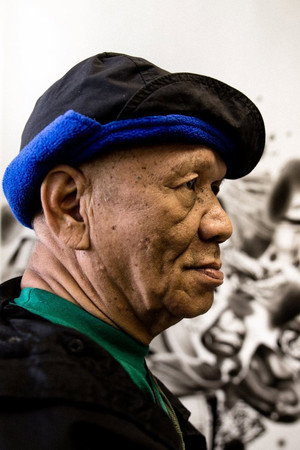
Roxlee Movies, TV Shows, and Filmography
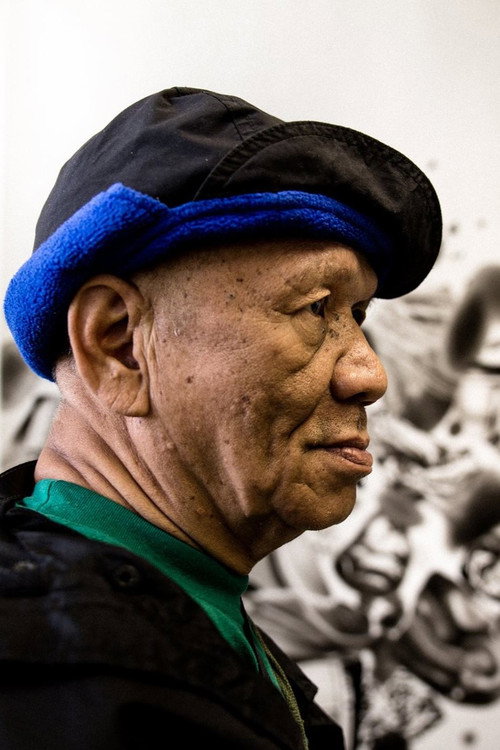
Roxlee
Directing
Biography
No biography available.
Filmography Movies
Acting
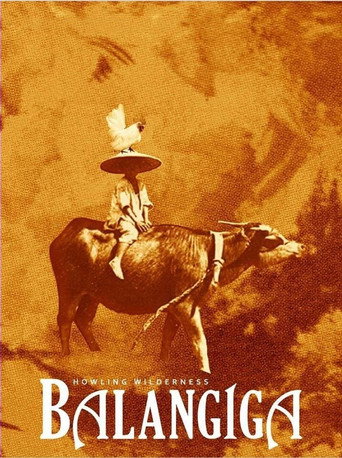
Balangiga: Howling Wilderness
1901, Balangiga. Eight-year-old Kulas flees town with his grandfather and their carabao to escape General Smith's Kill & Burn order. He finds a toddler amid a sea of corpses and together, the two boys struggle to survive the American occupation.
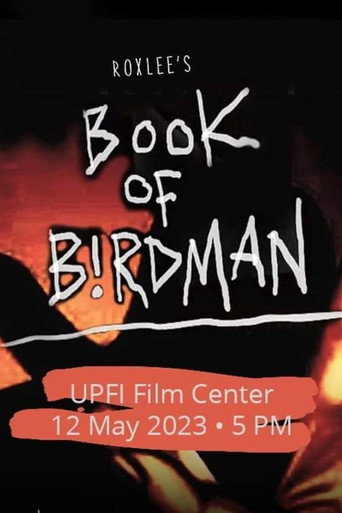
Book of Birdman
Based on the book of pen and ink illustrations and drawings with written verses. A mixture of monologues and performances from the Birdman as he confronts his enemies who are trying to destroy him and his environment.
Johnny Veggie
Juan shared his food to a man. But the man wants more and steals his food while he was asleep.
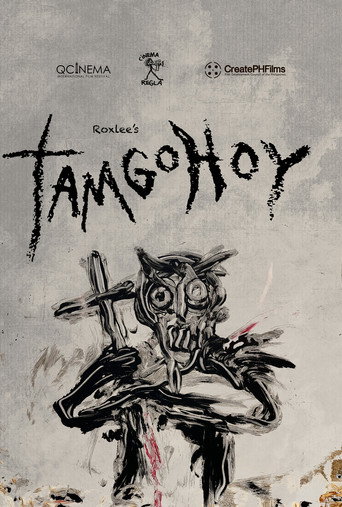
Tamgohoy
Synopsis: Dagohoy plays a flute near a river when disrupted by an ethereal voice and the tragic news of his brother's death. Desperate for a proper burial, he pleads with the reluctant Friar for blessing, leading to a disagreement and Dagohoy's injury. A kind villager found Dagohoy helplessly and tended his wound. Afterwards, a 'spirit' visited Dagohoy in his dream. The following day, they seek Tamblot, a male Babaylan and revolutionary leader, to further heal Dagohoy's wounds. While performing the ritual of renewal and baptizing the new resistance fighters, the Friar saw the traditional baptism. He disapproves and challenges Tamblot, leading to a fight. After some time, while still constantly visited by the 'spirit,' the revolutionaries prepare for a significant uprising led by Dagohoy. Their battle cry for justice signals the beginning of 85 years of revolution.
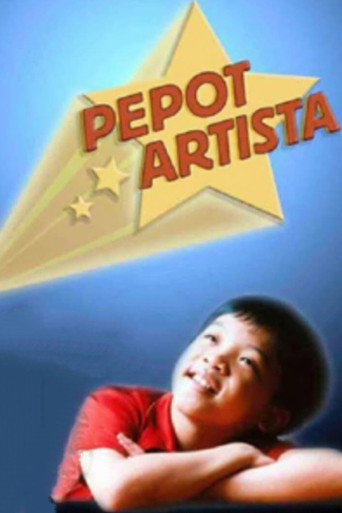
Pepot Artista
A story about a ten-year-old boy whose dream is to become a movie star. Pepot, the dreamer, is surrounded by people who are equally dazzled by the movie world from his own mother to the principal in his school to the impersonators in the neighborhood carnival. Coming from a poor family, Pepot overcomes adversity to have a chance at fulfilling his dream. He tackles school bullies, a strict teacher, and an unwelcoming world that fail to comprehend his intense desire to become a star. The story happens in the '70s when superstars brightened the film world in Pepot's country.
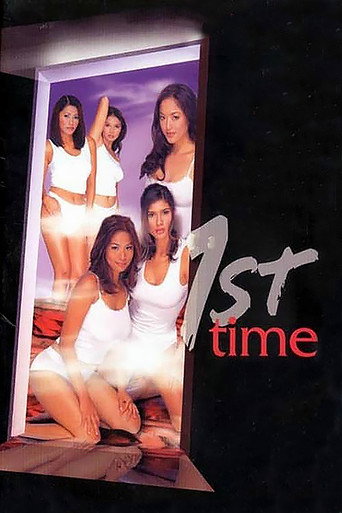
1st Time
Three stories, all first times
Reptilia in Suburbia
It is 1989. After losing his home, Allan Borromeo moves back into his mother’s house in Eden Homes, an upper middle class subdivision, with his wife Donna and teenage son Jasper. Here, their lives will change—Allan gets involved in a marijuana grow-op, Donna has an affair with their gardener, and Jasper experiences his first love and heartbreak. But unknown to the homeowners, a half-man, half-snake creature lurks and peers into their lives via home videos secretly recorded by Its creator, Waldo, a mad scientist.
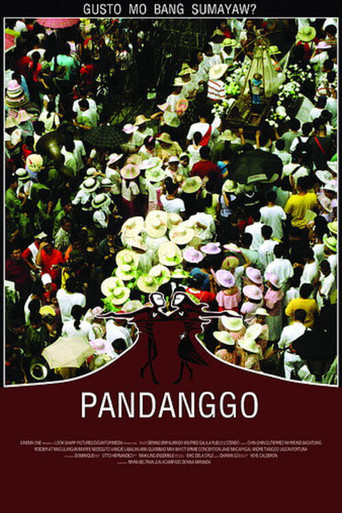
Pandanggo
Pandanggo has three stories with parallel themes converging in one event, the Kasilonawan Festival in Obando: a career woman learning to dance tango who is torn between her dance partner and live-in partner has to choose the man who will satisfy her dream of raising a family; a wife whose wish to conceive a baby boy to make her husband happy brings her feet to the festival, but fate has other plans of bringing the child into her life; and a modern woman who, amidst her medical condition that might render her childless for the rest of her life, finds connection with an ancient lore about fertility.
Evolution of a Filipino Family
Spanning from 1971 to 1987, in rural areas under the Marcos regime, a poor farming family struggle to overcome challenges brought on by corruption and greed for power.
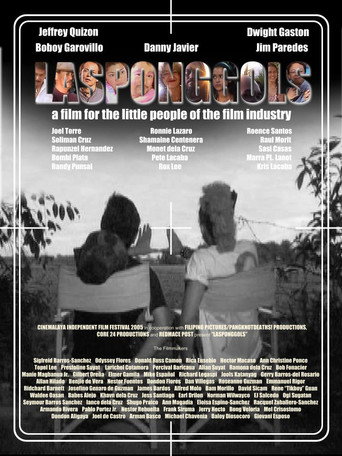
Last Take, Last Shot
A black comedy film, which focuses on two film workers, Raffy, the clapper, and Dido, a utility boy. Both share the same dream: to direct their own films someday. Their lives as mere "small production people" took a different turn when, together with the people in the unit van they were riding,had an encounter with armed men. Their co-workers were killed, and the two of them were forced to drive the unit van out of fear until it ran out of gas. The van contains equipment for movie production like cameras, lights and film stocks. They ended up in a secluded barrio not yet reached by modern technology, and therefore, the townsfolk knew nothing of the movie industry.
Production
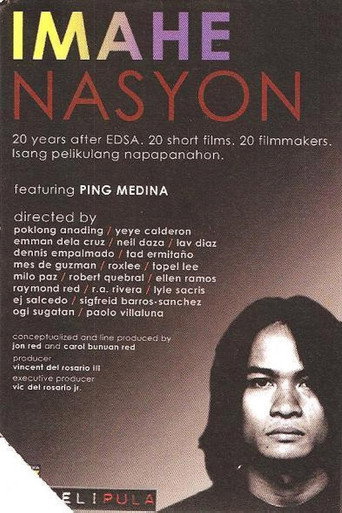
Image Nation
Imahe Nasyon is a groundbreaking, conceptual omnibus film by 20 alternative filmmakers who were tasked to present their personal visions on national issues. Renowned line producers Jon and Carol Red hatched the idea of revisiting the 1986 EDSA revolution, challenging directors to answer the question "What happened after 1986?" with a short film not longer than five minutes each. Despite individual techniques, the same goal is shared: to depict a truthful image of the nation at present.
Book of Birdman
Based on the book of pen and ink illustrations and drawings with written verses. A mixture of monologues and performances from the Birdman as he confronts his enemies who are trying to destroy him and his environment.
Johnny Veggie
Juan shared his food to a man. But the man wants more and steals his food while he was asleep.
Johnny Crawl
A man crawls on the street of Manila at the height of EDSA Revolution.
Tamgohoy
Synopsis: Dagohoy plays a flute near a river when disrupted by an ethereal voice and the tragic news of his brother's death. Desperate for a proper burial, he pleads with the reluctant Friar for blessing, leading to a disagreement and Dagohoy's injury. A kind villager found Dagohoy helplessly and tended his wound. Afterwards, a 'spirit' visited Dagohoy in his dream. The following day, they seek Tamblot, a male Babaylan and revolutionary leader, to further heal Dagohoy's wounds. While performing the ritual of renewal and baptizing the new resistance fighters, the Friar saw the traditional baptism. He disapproves and challenges Tamblot, leading to a fight. After some time, while still constantly visited by the 'spirit,' the revolutionaries prepare for a significant uprising led by Dagohoy. Their battle cry for justice signals the beginning of 85 years of revolution.
Tamgohoy
Synopsis: Dagohoy plays a flute near a river when disrupted by an ethereal voice and the tragic news of his brother's death. Desperate for a proper burial, he pleads with the reluctant Friar for blessing, leading to a disagreement and Dagohoy's injury. A kind villager found Dagohoy helplessly and tended his wound. Afterwards, a 'spirit' visited Dagohoy in his dream. The following day, they seek Tamblot, a male Babaylan and revolutionary leader, to further heal Dagohoy's wounds. While performing the ritual of renewal and baptizing the new resistance fighters, the Friar saw the traditional baptism. He disapproves and challenges Tamblot, leading to a fight. After some time, while still constantly visited by the 'spirit,' the revolutionaries prepare for a significant uprising led by Dagohoy. Their battle cry for justice signals the beginning of 85 years of revolution.
Green Rocking Chair
Juan Baybayin searches for the early alphabet of the Filipino and the journey takes him to different kind of adventures. A personal insights of the filmmaker regarding the baybayin-the early Filipino writings before the Spanish colonizers came to the island.
SPIT/OPTIK
Originally a three-part experimental film, respectively titled SPIT, WORDS AND OUTAKES..., and OPTIK, combining animation, illustration, found footage and liquid mercury.
Image Nation
Imahe Nasyon is a groundbreaking, conceptual omnibus film by 20 alternative filmmakers who were tasked to present their personal visions on national issues. Renowned line producers Jon and Carol Red hatched the idea of revisiting the 1986 EDSA revolution, challenging directors to answer the question "What happened after 1986?" with a short film not longer than five minutes each. Despite individual techniques, the same goal is shared: to depict a truthful image of the nation at present.
The Great Smoke
Animated film with several bizarre scenes.
Gallery