Rouzbeh Rashidi Movies, TV Shows, and Filmography

Rouzbeh Rashidi
Directing
Biography
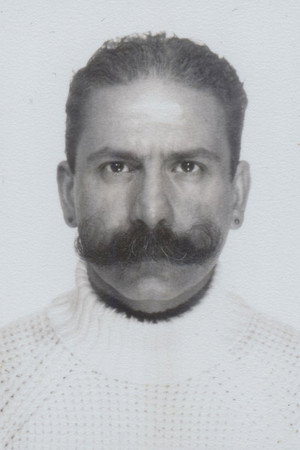
Rouzbeh Rashidi (Persian: روزبه رشیدی; born 23 December 1980, Tehran, Iran) is an Iranian-Irish avant-garde filmmaker and founder of Experimental Film Society. Since 2000, Rashidi produced experimental feature films and numerous volumes of instalments for the Homo Sapiens Project. His work is deeply engaged with film history and primarily concerned with mysticism, philosophy, esotericism, cosmology, phenomenology, and hauntology. The films are wildly experimental and often surrealist, magical realist, and mysterious, and have been associated with the Remodernist movement. Rashidi also generally designs the soundscapes that accompany his films. His decision to avoid dialogue in most films is a conscious link to early cinema, which is a frequent point of reference in his work and a reminder of his belief that cinema is always in the process of being invented and reinvented.
Filmography Movies
Acting
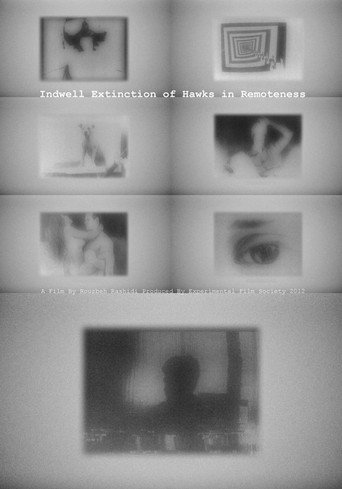
Indwell Extinction of Hawks in Remoteness
An intimate stream of memories reaching out across time and space, taking on a uniquely experimental form that cuts the viewer adrift in a weave of old footage rising to the surface of consciousness like a dream.
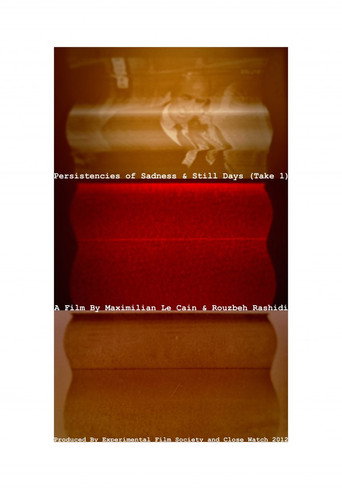
Persistencies of Sadness & Still Days (Take 1)
“Persistencies of Sadness & Still Days”, is a four hour feature film by Maximilian Le Cain and Rouzbeh Rashidi. Structured in two sections or ‘takes’ of two hours each, this dream-like, experimental project offers two complementary explorations of cinematic form that skirt around possible narratives, ducking through a series of fluctuating audio-visual categories and intensities.
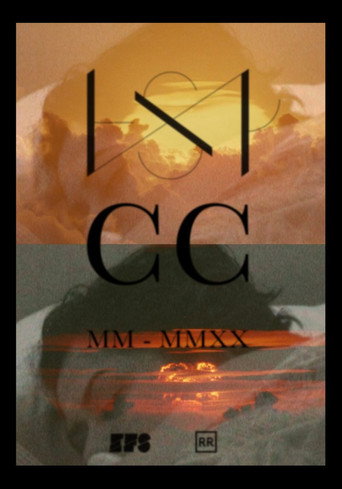
Homo Sapiens Project (200) (2000-2020)
Homo Sapiens Project (200) was completed in 2020 as part of the 20th anniversary of Experimental Film Society. This eight-hour experimental feature is constituted from short film experiments made between 2000 to 2010. These films have already undergone many metamorphoses over the years. They were always restless wandering spirits seeking a permanent place of rest but so far without success. Each section of Homo Sapiens Project (200) was made under the unique condition of living out a form of subtle therapeutic practice. Collectively they reflect major life-changing events, formalistic mutations and thematic shifts within Rouzbeh Rashidi’s filmography. In spite of this, they could not find the peace of a satisfactory final shape. Indeed, they are about peace, something that rarely (if ever) exists within Rashidi’s work. But now, after twenty years of roaming the subconscious, they have come to rest in a permanent retirement in one world, one very personal floating planet.
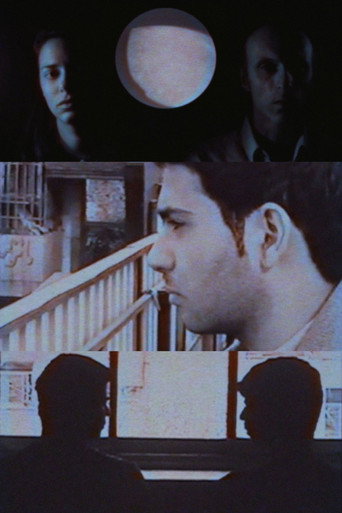
Homo Sapiens Project (201) (2002-2021)
Homo Sapiens Project (201) was completed in 2021 as part of re-envisioning and restructuring Rashidi's filmography. This nineteen-hour experimental feature is constituted from many feature films produced between 2002 to 2014. These experimental features were made as a type of test or trial experiment. Rashidi assembled the films from footage accumulated over the years, archival footage, found footage and rushes donated by his close collaborators.
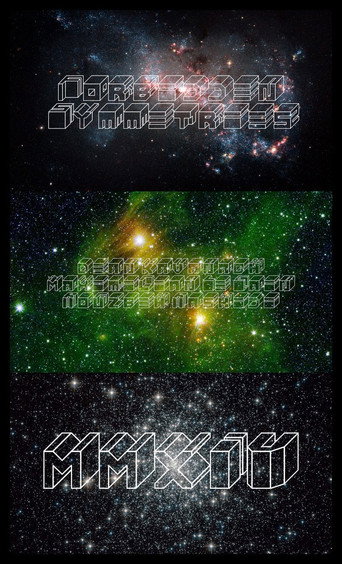
Forbidden Symmetries
Three witnesses to the invasion. Three accounts. Are they observing the same thing? Were there any warning signs? And, after all they’ve seen and heard, are they even competent to offer a reliable report? The purpose of this film is to demonstrate that an effort to construct functions known not to exist may on occasion produce interesting frauds.
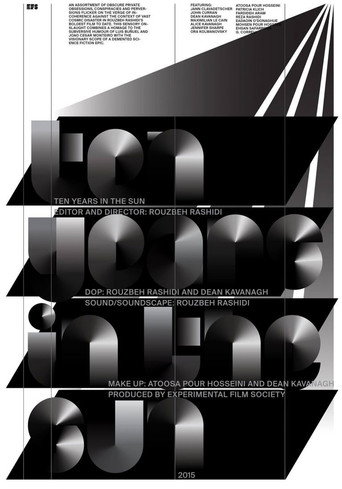
Ten Years In The Sun
An assortment of obscure private obsessions, conspiracies and perversions flicker on the verge of incoherence against the context of vast cosmic disaster in Rouzbeh Rashidi’s boldest film to date. This sensory onslaught combines a homage to the subversive humour of Luis Buñuel and Joao Cesar Monteiro with the visionary scope of a demented science fiction epic.
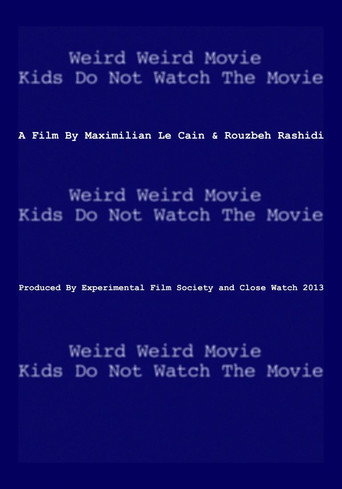
Weird Weird Movie Kids Do Not Watch The Movie
Weird Weird Movie Kids Do Not Watch The Movie is the second collaborative feature film between Rouzbeh Rashidi and Maximilian Le Cain. This hypnotic, visually and sonically immersive exploration of a haunted space unfolds in two parts. In the first, a woman (Eadaoin O’Donoghue) dissolves her identity into the ghostly resonances she finds in the rooms and corridors of a sprawling, atmospheric seaside basement property. In the second, a man (Rashidi), existing in a parallel dimension of the same space, pursues a bizarre and perverse amorous obsession.
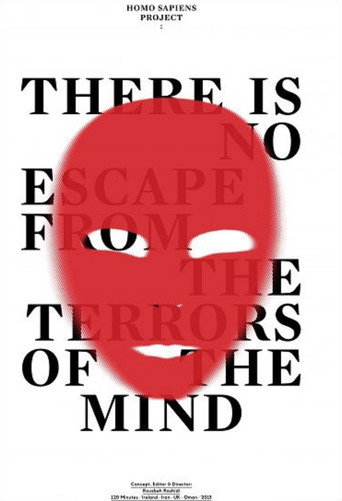
HSP: There Is No Escape from the Terrors Of the Mind
There is no escape… From one side of the globe to the other, there is no escaping the faces, the visions, the ever-watchful camera. There is no escaping the mask, there is no escaping the resonating echoes of images and sounds that cross each other over time. There is no escaping the cinema. There is no escaping the terrors of the mind. “A mysterious loner, perhaps a poet, journeys through a series of uncanny surrealistic landscapes with an unclear purpose. His adventure is divided into three sections. The main theme of this experiment is to compare the eerier qualities of different landscapes and interpose the characters within them, elaborating the project’s ongoing preoccupation with extracting sinister moods from ordinary settings. In a way, these can be seen as experimental horror films in which an atmosphere of dread is evoked and sustained without the expected narrative trappings.”
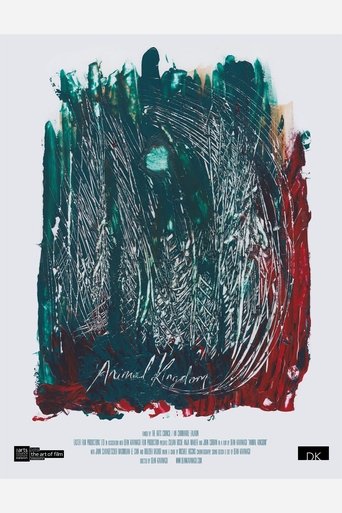
Animal Kingdom
Earth. Wind. Fire. Water. Sacrifice. In Animal Kingdom a ritual carves a dimension that melds character, object, landscape and the very tactile makeup of the film itself into one mutating, symphonic mass of spell casting, storytelling, living and dying. An explosive account of cinema as witchcraft.
The Kingdom Of Shadows
The Kingdom Of Shadows is a mystical cinematic experience which stirs from the darkness the spirits of our ancestors and reawakens the horror of unresolved crimes and denied desires.
Production
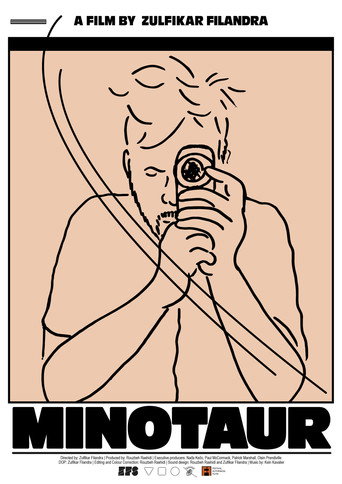
Minotaur
A film essay MINOTAUR covers 15 years of the author's life. Through various formats of private archives, from cell phone recordings, Instagram posts, segments from the author's previous films, vacation videos, we experience a Proustian journey through fragments of the recorded and cathartic confrontation with transience, dear people, poetry of small things and growing up.
Minotaur
A film essay MINOTAUR covers 15 years of the author's life. Through various formats of private archives, from cell phone recordings, Instagram posts, segments from the author's previous films, vacation videos, we experience a Proustian journey through fragments of the recorded and cathartic confrontation with transience, dear people, poetry of small things and growing up.
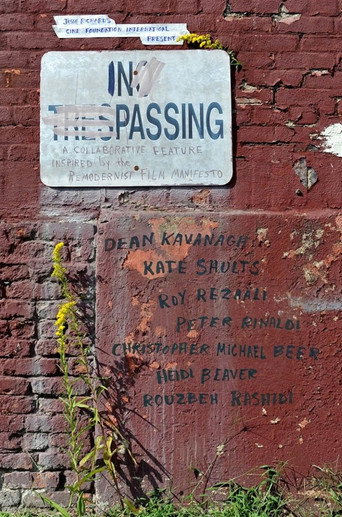
In Passing
In Passing is a collaboration between seven different filmmakers from around the world in response to Jesse Richards' 2008 Remodernist Film Manifesto.
In Passing
In Passing is a collaboration between seven different filmmakers from around the world in response to Jesse Richards' 2008 Remodernist Film Manifesto.
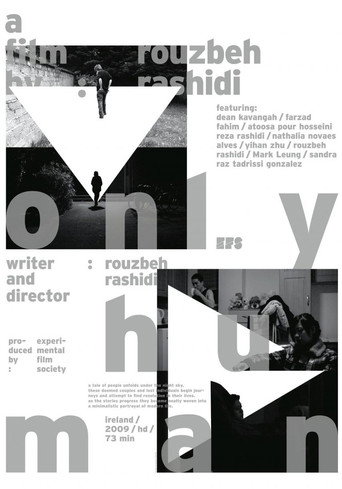
Only Human
A tale of people unfolds under the night sky. These doomed couples and lost individuals begin journeys and attempt to find resolution in their lives. Love is observed from a distance, sadness is in the air. With little sympathy for the loss and destruction caused to the characters, the stories progress and become neatly woven into a minimalistic portrayal of modern life.
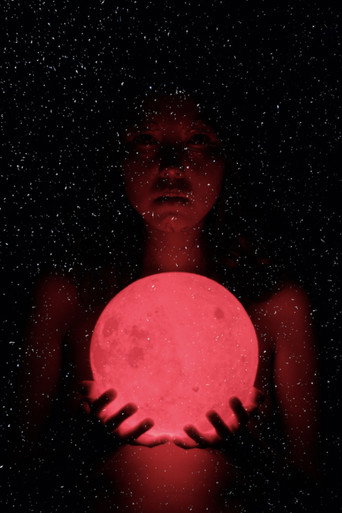
Luminous Void: Docudrama
A documentary like no other. Starting with the bizarre practices and fantasies of a group of filmmakers working under the label Experimental Film Society, it spins off into a manifesto of light and sound. This dazzling journey through a view of cinema as cosmic ritual and erotic delirium is also an idiosyncratic celebration of the medium itself. Rouzbeh Rashidi’s ornate visual style unleashes a parade of visionary scenes that redefine movie magic as a fevered hallucination.
Luminous Void: Docudrama
A documentary like no other. Starting with the bizarre practices and fantasies of a group of filmmakers working under the label Experimental Film Society, it spins off into a manifesto of light and sound. This dazzling journey through a view of cinema as cosmic ritual and erotic delirium is also an idiosyncratic celebration of the medium itself. Rouzbeh Rashidi’s ornate visual style unleashes a parade of visionary scenes that redefine movie magic as a fevered hallucination.
Luminous Void: Docudrama
A documentary like no other. Starting with the bizarre practices and fantasies of a group of filmmakers working under the label Experimental Film Society, it spins off into a manifesto of light and sound. This dazzling journey through a view of cinema as cosmic ritual and erotic delirium is also an idiosyncratic celebration of the medium itself. Rouzbeh Rashidi’s ornate visual style unleashes a parade of visionary scenes that redefine movie magic as a fevered hallucination.
Luminous Void: Docudrama
A documentary like no other. Starting with the bizarre practices and fantasies of a group of filmmakers working under the label Experimental Film Society, it spins off into a manifesto of light and sound. This dazzling journey through a view of cinema as cosmic ritual and erotic delirium is also an idiosyncratic celebration of the medium itself. Rouzbeh Rashidi’s ornate visual style unleashes a parade of visionary scenes that redefine movie magic as a fevered hallucination.
Weird Weird Movie Kids Do Not Watch The Movie
Weird Weird Movie Kids Do Not Watch The Movie is the second collaborative feature film between Rouzbeh Rashidi and Maximilian Le Cain. This hypnotic, visually and sonically immersive exploration of a haunted space unfolds in two parts. In the first, a woman (Eadaoin O’Donoghue) dissolves her identity into the ghostly resonances she finds in the rooms and corridors of a sprawling, atmospheric seaside basement property. In the second, a man (Rashidi), existing in a parallel dimension of the same space, pursues a bizarre and perverse amorous obsession.
Gallery