Directing
No biography available.
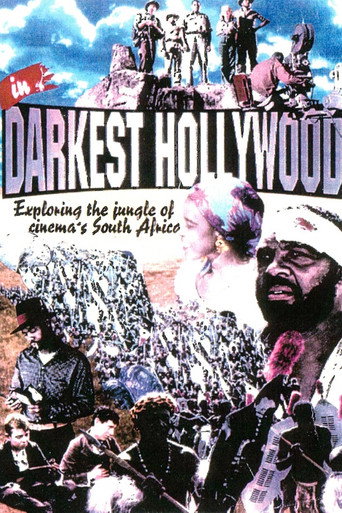
A documentary overview and ideological critique of the South African film industry and cinema's historical relationship with apartheid.
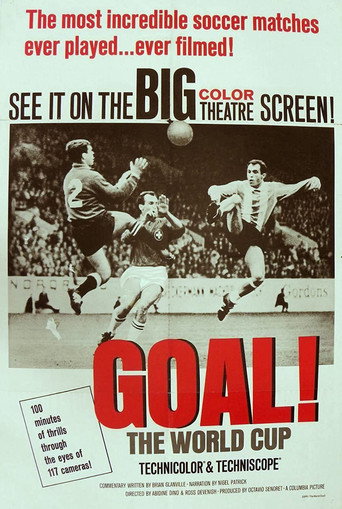
This entertaining documentary of the World Cup Soccer tournament of 1966 follows the 15 countries competing for the sport's most coveted prize. Nigel Patrick narrates, with commentary provided by Brian Glanville. The executive producer spent $336,000 on the production and used 117 cameras to record nearly 48 hours worth of action. Four editors were employed to create the final 108-minute feature.
An episode in the Life of Eugène Marais
A portrait of a marginalised couple evicted by forced removal in apartheid South Africa.
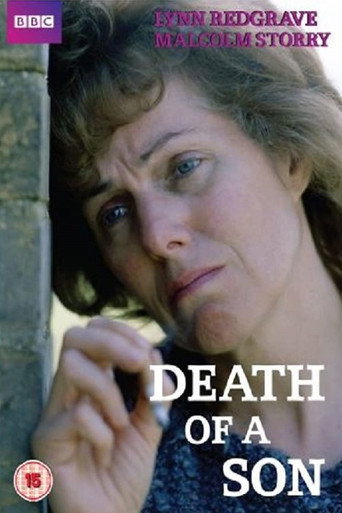
The true story of Pauline Williams, who struggled to bring the people who supplied her son with the illegal drugs that caused his death to justice.
Five black men in South Africa end up in jail - for crimes which range from shooting a security policeman to sleeping with a white boss's wife. What they all share is the conviction that the 'Day of Reckoning' is at hand.
“What is the role of the media in wartime? Is it simply to record or is it to explain, and from whose point of view – the military, the politicians or the victims?”
Marigolds in August was written by Athol Fugard, who in the early 1980s was South Africa's most celebrated playwright. Fugard's intense political opinions were enough for the USSR to object to Marigolds being shown in the 1980 Berlin Festival, but the objections were dropped when it was learned that Fugard had already built up a strong fan following in Eastern Europe (for various reasons, the film was not released in the US until 1984). Winston Ntshona stars as a black South African gardener who travels by foot into the white community looking for a job. Upon arriving, Ntshona discovers that another black, John Kani, may have been hired for that job. Ntshoa ruins the chances for himself and Kani by accusing the other man of planning a theft. Both men are eventually hired by a fellow outcast, a white poacher (played by Anthol Fugard himself). The message would seem to be that if the have-nots of the world stick together, it matters little how badly they're treated by the "haves."
In this drama, the Banjee family resides in an area of Johannesburg where Indians are no longer permitted to live. Mr. Bamjee is a vegetable seller and his wife, unlike him, becomes politically involved fighting against the injustices of apartheid. When his wife is arrested and imprisoned, Mr. Bamjee slowly realizes that his wife's concern for others is not a rejection of him.
In 1940 Kenya as their country prepares for war, the local aristocratic social set lives a decadent, self-indulgent lifestyle, that leads to murder. The same events were also dramatised in the feature film White Mischief, which was released seven months after the first transmission of The Happy Valley.