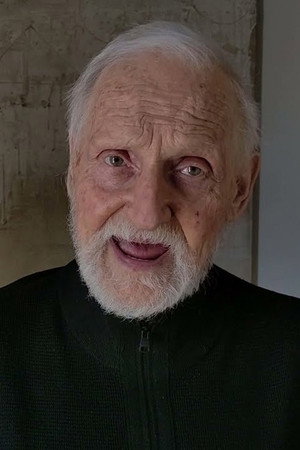
Ronald Chase Movies, TV Shows, and Filmography
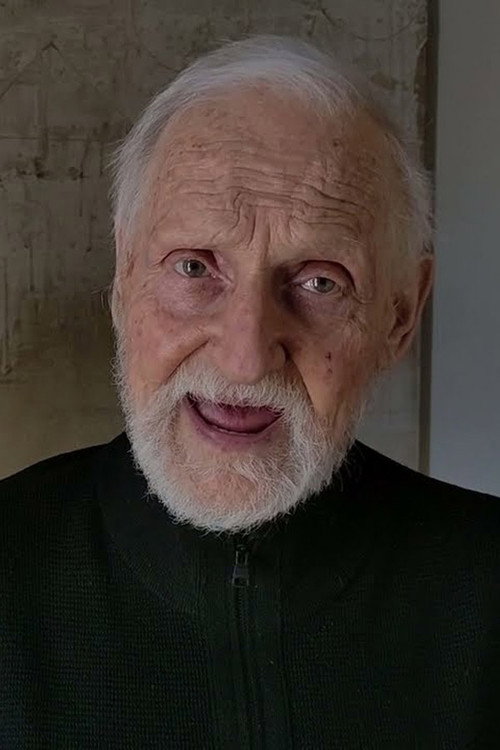
Ronald Chase
Directing
Biography
Ronald Chase (born December 29, 1934) is an American artist, photographer, educator, independent film maker and opera designer. In 1963, Chase began making short experimental films with Fragments, written by Mary Lee Settle and filmed in the Hudson Valley. In 1964, he began experimenting with using film projections in theatre and dance performances. These experiments produced the films The Covenant, Chameleon and Clown, as well as Parade, a short documentary of the first Gay & Lesbian Pride Parade in San Francisco. Chase produced and directed two features in the 1970s. Bruges-La-Morte premiered at the 1978 Rotterdam Film Festival and was awarded the Critics Prize at the International Film Festival Ghent in 1980. LULU, adapted from the play by Frank Wedekind, screened at a number of festivals and was chosen as one of the three best films of 1978 by Pariscope, but could not be released because of a copyright conflict with the estate of Alban Berg. In 1993, Chase created the San Francisco Art & Film Program for Teenagers, a non-profit devoted to making the arts accessible to young people. SF Art & Film has been cited as one of the most comprehensive art education programs in the United States.
Filmography Movies
Acting
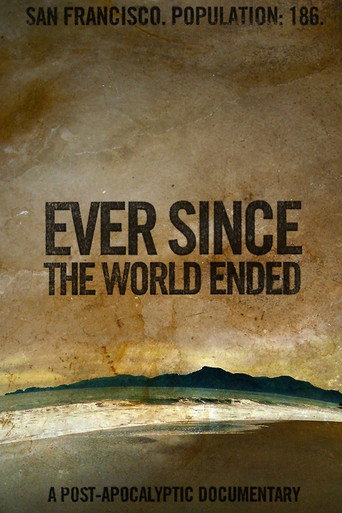
Ever Since the World Ended
Twelve years ago, a plague swept through, wiping out most of the population; in San Francisco, only 186 people remain. Two of them use jury-rigged batteries to power a camera and make a documentary. We see a variety of approaches to survival, from the artist and engineer who trade for their needs, to the surfers and woodsmen who fish and hunt, to the scavengers, and a communal farm. We also see how the community deals with those who threaten it, and how the youth are growing up with different values from those who knew our world.
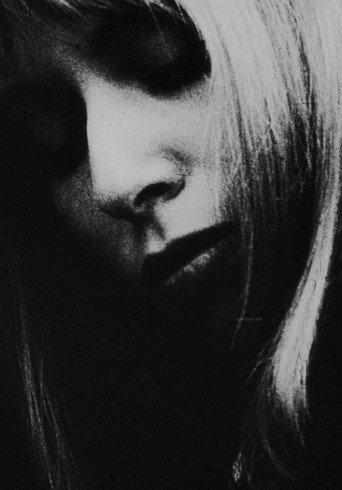
Fragments
A woman remembers the love affairs with an artist and a fisherman that led her husband to suicide.
Production
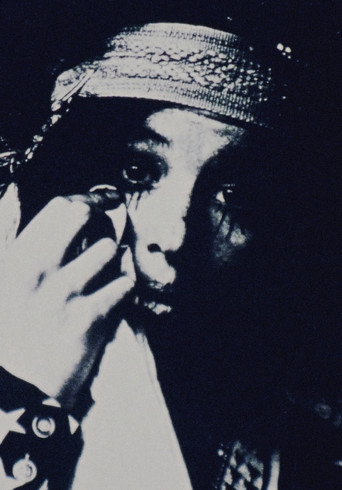
Sally Simpson
Sally Simpson played to a song rendered by Bette Midler (one of the cast) behind the proscenium curtain. Filmed in San Francisco in collaborated with a friend, Wilfred Satty, who had gained a reputation for illustrations of rock posters. Satty was one of San Francisco's most colorful personalities, a German artist who lived near Bay street, and would throw extravagant parties in the basement of his studio. He died prematurely, cracking his head when he fell off a ladder in his studio. His memorial was held in the rotunda of the Palace of Fine Arts and attended by over 400 mourners.
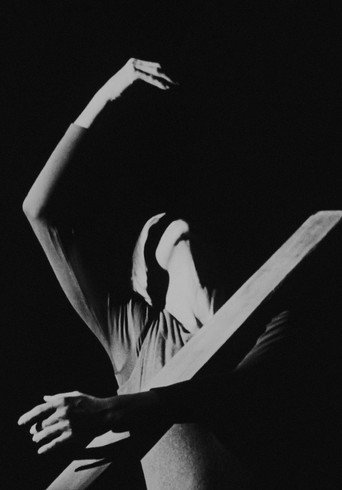
The Covenant
Dance film of work by choreographer Elizabeth Harris with original score by Pauline Oliveros. The score is for prepared piano and was performed live during the filming. Harris was a frequent collaborator with Oliveros at the Tape Music Center in San Francisco.
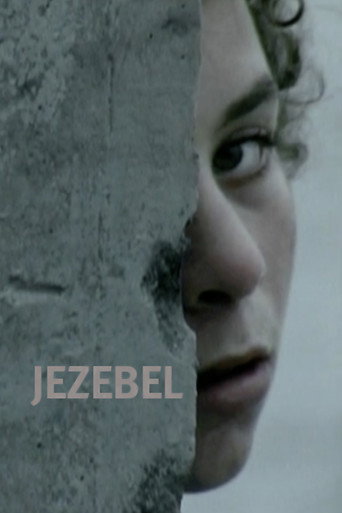
Jezebel
A film by students of the Film Workshop of San Francisco Art & Film, under the direction of Ronald Chase. A boy tries to comfort a woman who has just been dumped, but balks when he learns about the circumstances of the relationship.
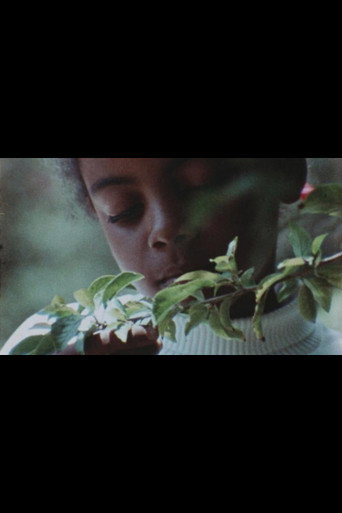
Celebration of Life: Trees
The beauty and wonder of our natural environment gives cause for a celebration. The viewer joins a group of youngsters discovering and enjoying everything about trees and forests. It is a reminder of the people-nature activities that can be enjoyed. Suitable for middle and upper primary levels.
Lulu
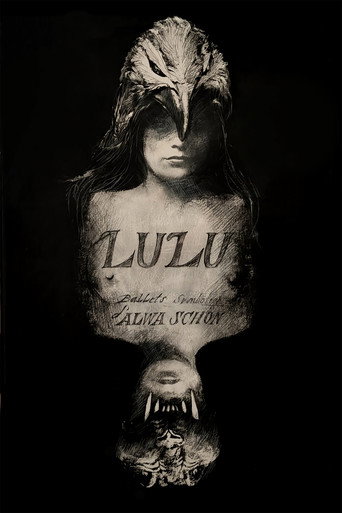
This highly stylized, critically acclaimed film from the 70's mixes silent film cards, a soundscape, color, opera music and atmosphere to explore the Freudian truths about men's fear of women that Wedekind powerfully exposed. A kinetic melodrama of the rise of a femme-fatale and her fate at the hands of Jack-the-Ripper. Rethinking Pabst's silent film and Alban Berg's opera.
Bruges-La-Morte
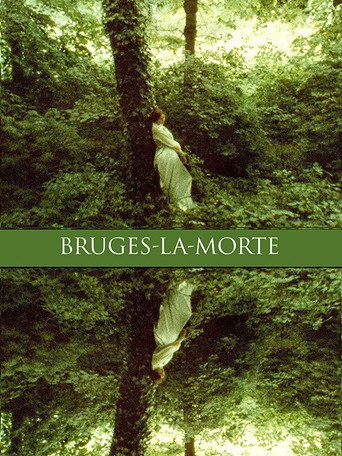
The story of Paul who one day meets a young dancer who is the double of the dead wife he worships. Their meeting triggers a nightmare that takes him on a midnight journey through dark canals, memories, to a theater performance in a graveyard where he learns darker truths. Filmed on location in historic Bruges.
Lulu
This highly stylized, critically acclaimed film from the 70's mixes silent film cards, a soundscape, color, opera music and atmosphere to explore the Freudian truths about men's fear of women that Wedekind powerfully exposed. A kinetic melodrama of the rise of a femme-fatale and her fate at the hands of Jack-the-Ripper. Rethinking Pabst's silent film and Alban Berg's opera.
Bruges-La-Morte
The story of Paul who one day meets a young dancer who is the double of the dead wife he worships. Their meeting triggers a nightmare that takes him on a midnight journey through dark canals, memories, to a theater performance in a graveyard where he learns darker truths. Filmed on location in historic Bruges.
Bruges-La-Morte
The story of Paul who one day meets a young dancer who is the double of the dead wife he worships. Their meeting triggers a nightmare that takes him on a midnight journey through dark canals, memories, to a theater performance in a graveyard where he learns darker truths. Filmed on location in historic Bruges.
Bruges-La-Morte
The story of Paul who one day meets a young dancer who is the double of the dead wife he worships. Their meeting triggers a nightmare that takes him on a midnight journey through dark canals, memories, to a theater performance in a graveyard where he learns darker truths. Filmed on location in historic Bruges.
Gallery