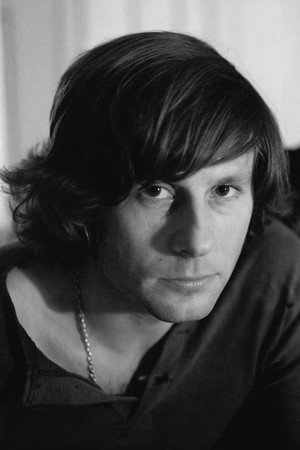
Roman Polanski Movies, TV Shows, and Filmography
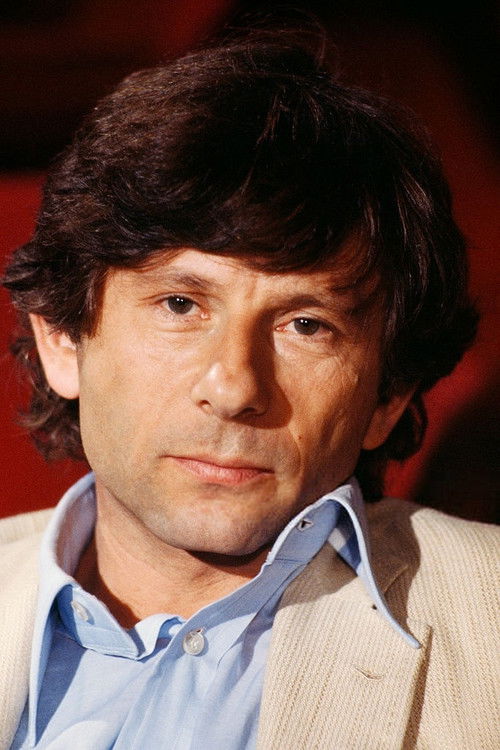
Roman Polanski
Directing
Biography
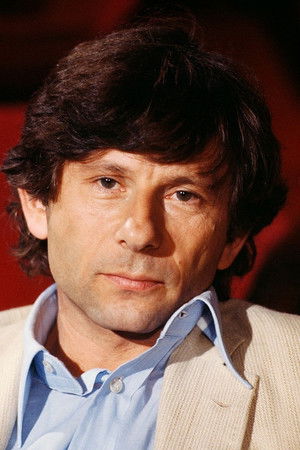
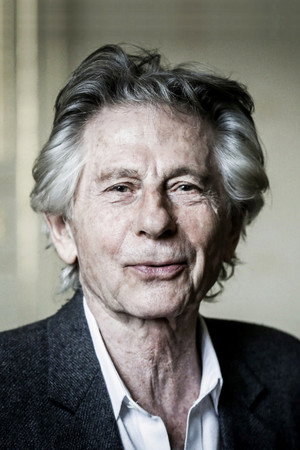
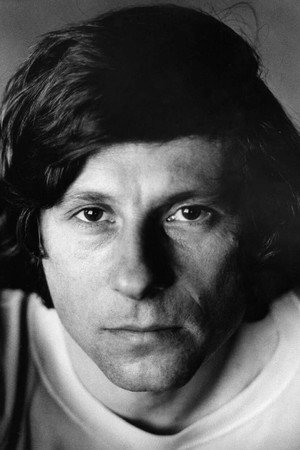
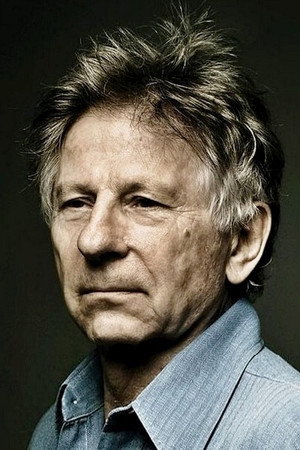
Roman Polański (born 18 August 1933) is a Polish-French film director, producer, writer and actor. Born in Paris to Polish parents, Polański relocated with his family to Poland in 1937. After surviving the Holocaust, he continued his education in Poland and became a critically acclaimed director of both art house and commercial films. Polański's first feature-length film, Knife in the Water (1962), made in Poland, was nominated for an Academy Award for Best Foreign Language Film. He has since received five more Oscar nominations, and in 2002 received the Academy Award for Best Director for his film, The Pianist. He has also been the recipient of two Baftas, four Césars, a Golden Globe and the Palme d'Or. He left Poland in 1961 to live in France for several years, then moved to the United Kingdom where he collaborated with Gérard Brach on three films, beginning with Repulsion (1965). In 1968 he moved to the United States, immediately cementing his burgeoning directing status with the 1968 groundbreaking Academy Award winning horror film Rosemary's Baby. In 1969, Polański's pregnant wife, Sharon Tate, was murdered while staying at the Polańskis' Benedict Canyon home above Los Angeles by members of the Manson Family. Following Tate's death, Polański returned to Europe and spent much of his time in Paris and Gstaad, but did not make another film until he filmed Macbeth (1971) in England. The following year he went to Italy to make What? (1973) and subsequently spent the next five years living near Rome. However, he traveled to Hollywood to direct Chinatown (1974) for Paramount Pictures, with Robert Evans serving as producer. The film was nominated for eleven Academy Awards, and was a critical and box-office success; the script by Robert Towne won for Best Original Screenplay. Polański's next film, The Tenant (1976), was shot in France, and completed the "Apartment Trilogy", following Repulsion and Rosemary's Baby. In 1977, after a photo shoot in Los Angeles, Polański was arrested for the sexual abuse of a 13 year old girl. He was charged with rape but pleaded guilty to unlawful sex with a minor. To avoid sentencing, Polański fled to his home in London, and then moved on to France the following day. He has had a U.S. arrest warrant outstanding since then, and an international arrest warrant since 2005. Polański continued to make films such as The Pianist (2002), a World War II-set adaptation of Jewish-Polish musician Władysław Szpilman's autobiography of the same name, which echoed some of Polański's earlier life experiences. Like Szpilman, Polański escaped the ghetto and the concentration camps while family members were killed. The film won three Academy Awards including Best Director, the Cannes Film Festival's Palme d'Or, and seven French César Awards including Best Picture and Best Director. He then released the successful films Oliver Twist (2005), To Each His Own Cinema (2007), and The Ghost Writer (2010), completed while under house arrest. In September 2009, Polański was arrested by Swiss police, at the request of U.S. authorities, when he traveled to receive a lifetime achievement award at the Zurich Film Festival. In October 2009, the U.S. requested his extradition; however, on July 12, 2010, the Swiss rejected that request and instead declared him a "free man" after releasing him from custody.
Filmography Movies
Acting
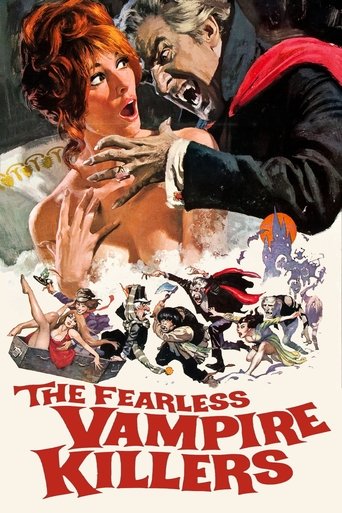
The Fearless Vampire Killers
A noted professor and his dim-witted apprentice fall prey to their inquiring vampires, while on the trail of the ominous damsel in distress.
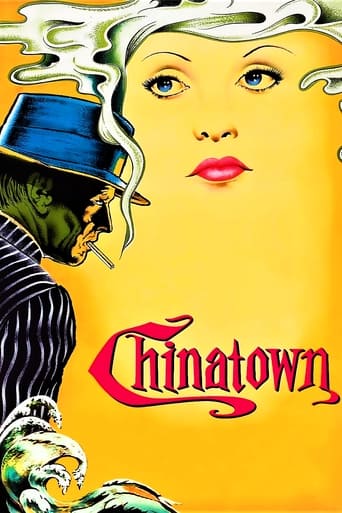
Chinatown
Private eye Jake Gittes lives off of the murky moral climate of sunbaked, pre-World War II Southern California. Hired by a beautiful socialite to investigate her husband's extra-marital affair, Gittes is swept into a maelstrom of double dealings and deadly deceits, uncovering a web of personal and political scandals that come crashing together.
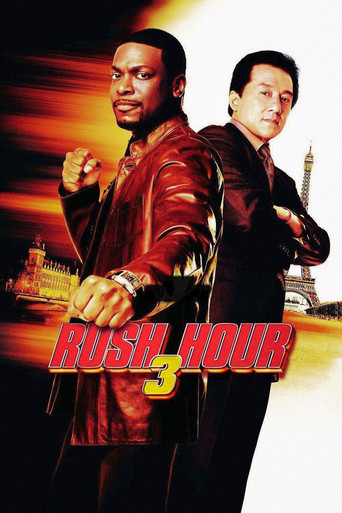
Rush Hour 3
After a botched assassination attempt, the mismatched duo finds themselves in Paris, struggling to retrieve a precious list of names, as the murderous crime syndicate's henchmen try their best to stop them. Once more, Lee and Carter must fight their way through dangerous gangsters; however, this time, the past has come back to haunt Lee. Will the boys get the job done once and for all?
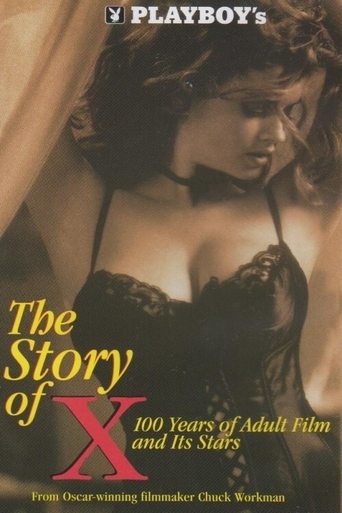
Playboy: The Story of X
The Story of X takes you to the earliest days of adult films when men peddled stag reels and projectors out of the trunks of their cars, then through the movie house years to the arrival of the home video business, and now the Internet. Meet the men behind the camera, such as "King of Sexploitation" Dave Friedman and the preeminent breast man Russ Meyer. Considered pariahs at the time, they're now hailed as pioneers in the fight against censorship. The Story of X visits the 60s when women's rights, not nudity, became the issue and recounts porn's arrival in Hollywood, led by director Bernardo Bertolucci's Last Tango in Paris. In the 70s, several groundbreaking films, including Behind the Green Door featuring Marilyn Chambers and Deep Throat featuring Linda Lovelace, took the genre to a new level.
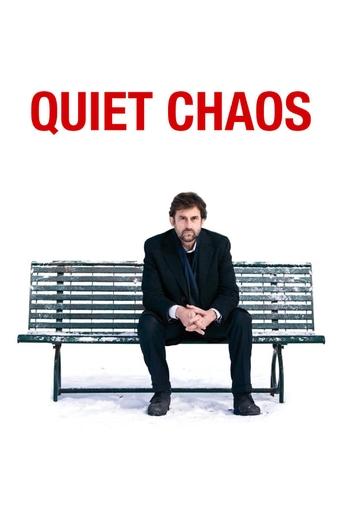
Quiet Chaos
Pietro is a successful businessman with a wife and a daughter. One day he helps his brother save two women from drowning at the beach. When he returns home he finds that his wife has died. Now Pietro has to take care of his daughter, Claudia. When he drives her to school soon after, he decides to wait for her all day in front of the school, and soon that's what he does every day.
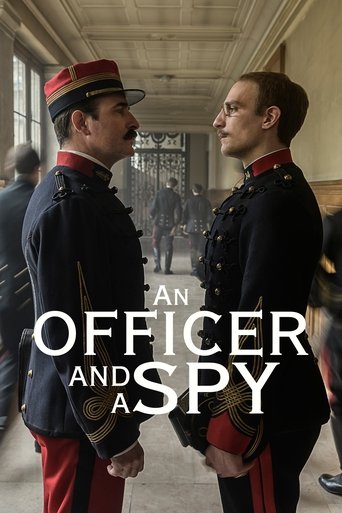
An Officer and a Spy
In 1894, French Captain Alfred Dreyfus is wrongfully convicted of treason and sentenced to life imprisonment at the Devil’s Island penal colony.
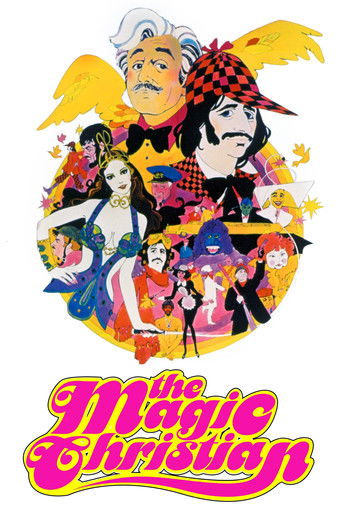
The Magic Christian
Sir Guy Grand, the richest man in the world, adopts a homeless man, Youngman. Together, they set out to prove that anyone--and anything--can be bought.
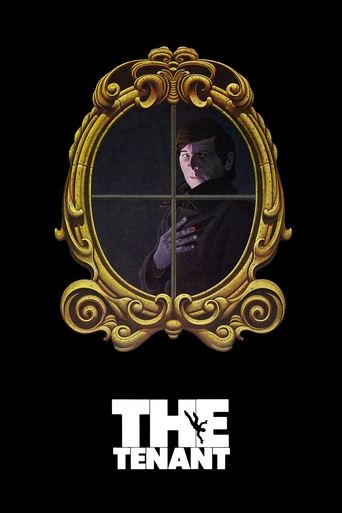
The Tenant
A quiet and inconspicuous man rents an apartment in Paris where he finds himself drawn into a rabbit hole of dangerous paranoia.
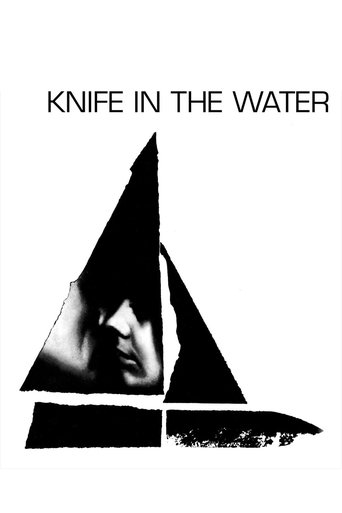
Knife in the Water
On their way to an afternoon on the lake, husband and wife Andrzej and Krystyna nearly run over a young hitchhiker. Inviting the young man onto the boat with them, Andrzej begins to subtly torment him; the hitchhiker responds by making overtures toward Krystyna. When the hitchhiker is accidentally knocked overboard, the husband's panic results in unexpected consequences.
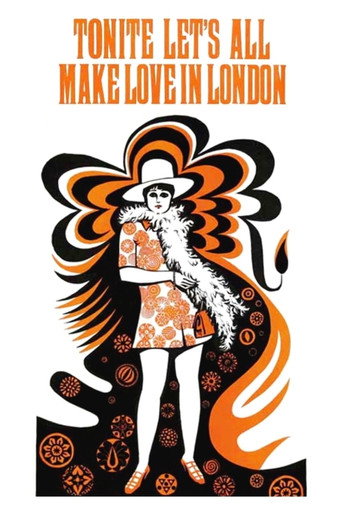
Tonite Let's All Make Love in London
Peter Whitehead’s disjointed Swinging London documentary, subtitled “A Pop Concerto,” comprises a number of different “movements,” each depicting a different theme underscored by music: A early version of Pink Floyd’s “Interstellar Overdrive” plays behind some arty nightclub scenes, while Chris Farlowe’s rendition of the Rolling Stones’ “Out of Time” accompanies a young woman’s description of London nightlife and the vacuousness of her own existence. In another segment, the Marquess of Kensington (Robert Wace) croons the nostalgic “Changing of the Guard” to shots of Buckingham Palace’s changing of the guard, and recording act Vashti are seen at work in the studio. Sandwiched between are clips of Mick Jagger (discussing revolution), Andrew Loog Oldham (discussing his future) – and Julie Christie, Michael Caine, Lee Marvin, and novelist Edna O’Brien (each discussing sex). The best part is footage of the riot that interrupted the Stones’ 1966 Royal Albert Hall concert.
Production
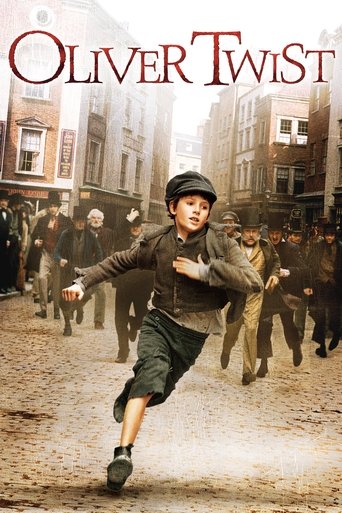
Oliver Twist
When 9-year-old orphan Oliver Twist dares to ask his cruel taskmaster, Mr. Bumble, for a second serving of gruel, he's hired out as an apprentice. Escaping that dismal fate, young Oliver falls in with the street urchin known as the Artful Dodger and his criminal mentor, Fagin. When kindly Mr. Brownlow takes Oliver in, Fagin's evil henchman Bill Sikes plots to kidnap the boy.
Oliver Twist
When 9-year-old orphan Oliver Twist dares to ask his cruel taskmaster, Mr. Bumble, for a second serving of gruel, he's hired out as an apprentice. Escaping that dismal fate, young Oliver falls in with the street urchin known as the Artful Dodger and his criminal mentor, Fagin. When kindly Mr. Brownlow takes Oliver in, Fagin's evil henchman Bill Sikes plots to kidnap the boy.

The Pianist
The true story of pianist Władysław Szpilman's experiences in Warsaw during the Nazi occupation. When the Jews of the city find themselves forced into a ghetto, Szpilman finds work playing in a café; and when his family is deported in 1942, he stays behind, works for a while as a laborer, and eventually goes into hiding in the ruins of the war-torn city.
The Pianist
The true story of pianist Władysław Szpilman's experiences in Warsaw during the Nazi occupation. When the Jews of the city find themselves forced into a ghetto, Szpilman finds work playing in a café; and when his family is deported in 1942, he stays behind, works for a while as a laborer, and eventually goes into hiding in the ruins of the war-torn city.
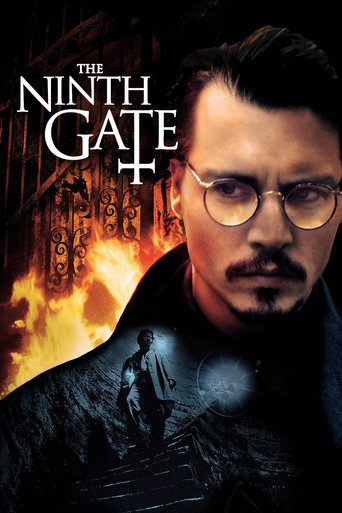
The Ninth Gate
A rare book dealer finds himself at the heart of a string of paranormal events when he is hired to find the last two copies of a text, The Nine Gates of the Kingdom of Shadows, capable of summoning the Devil.
The Ninth Gate
A rare book dealer finds himself at the heart of a string of paranormal events when he is hired to find the last two copies of a text, The Nine Gates of the Kingdom of Shadows, capable of summoning the Devil.
The Ninth Gate
A rare book dealer finds himself at the heart of a string of paranormal events when he is hired to find the last two copies of a text, The Nine Gates of the Kingdom of Shadows, capable of summoning the Devil.
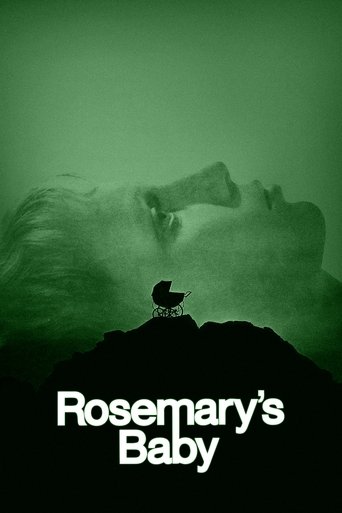
Rosemary's Baby
A young couple, Rosemary and Guy, moves into an infamous New York apartment building, known by frightening legends and mysterious events, with the purpose of starting a family.
Rosemary's Baby
A young couple, Rosemary and Guy, moves into an infamous New York apartment building, known by frightening legends and mysterious events, with the purpose of starting a family.
Chinatown
Private eye Jake Gittes lives off of the murky moral climate of sunbaked, pre-World War II Southern California. Hired by a beautiful socialite to investigate her husband's extra-marital affair, Gittes is swept into a maelstrom of double dealings and deadly deceits, uncovering a web of personal and political scandals that come crashing together.
Gallery