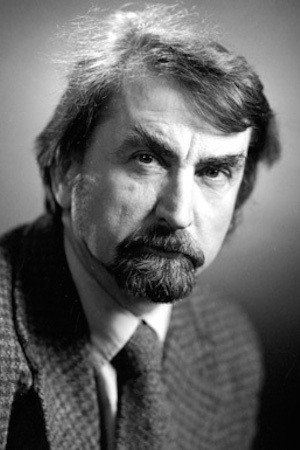
Roman Kroitor Movies, TV Shows, and Filmography
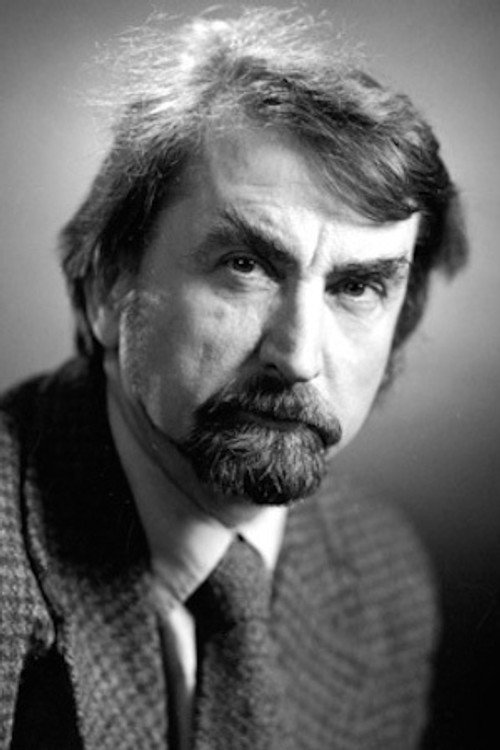
Roman Kroitor
Production
Biography
Roman Kroitor (December 12, 1926 – September 17, 2012) was a Canadian filmmaker who was known as a pioneer of Cinéma vérité, as the co-founder of IMAX, and as the creator of the Sandde hand-drawn stereoscopic 3D animation system. He was also the original inspiration for The Force. His prodigious output garnered numerous awards, including two BAFTA Awards, three Cannes Film Festival awards, and two Oscar nominations. Roman Boghdan Kroitor was born in Yorkton, Saskatchewan, to Ukrainian immigrants Peter and Tatiana (Shewchuk), both of whom were teachers. Peter died when Roman was four; Tatiana moved the family to Winnipeg and continued teaching. Roman attended the University of Manitoba, graduating in 1951 with a Master of Arts in Philosophy.
Filmography Movies
Acting
21-87
This short film from Arthur Lipsett is an abstract collage of snippets from discarded footage found by Lipsett in the editing room of the National Film Board (where he worked as an animator), combined with his own black and white 16mm footage shot on the streets of Montreal and New York City, among other locations. A commentary on a machine-dominated society, it is often cited as an influence on George Lucas's Star Wars and his conceptualization of "The Force."
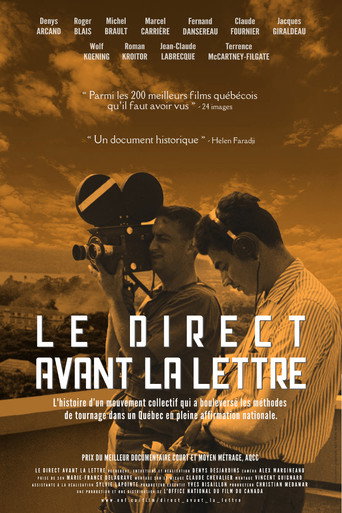
Rebels with a Camera
Thanks to the development of techniques and the adventurous spirit of pioneering filmmakers, among whom Michel Brault occupies a central place, a new way of making cinema was born at the turn of the 1950s and 1960s. This film relevantly retraces the history of a collective movement which revolutionized production and filming methods in Quebec and the world.
Production

Hail Columbia!
An IMAX documentary that follows the first flight of Space Shuttle Columbia, from launch preparations to its historic return to Earth.
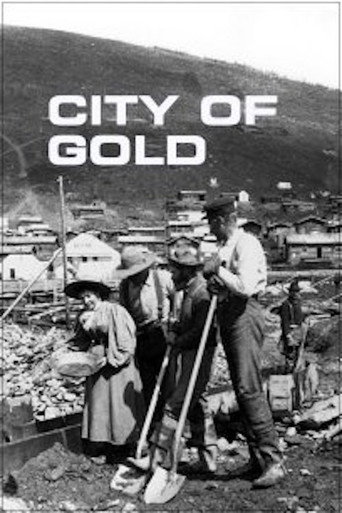
City of Gold
Classic short film depicts the Klondike gold rush at its peak, when would-be prospectors struggled through harsh conditions to reach the fabled gold fields over 3000 km north of civilization. Still photographs juxtapose Dawson City today against its bustling height in the gold rush.
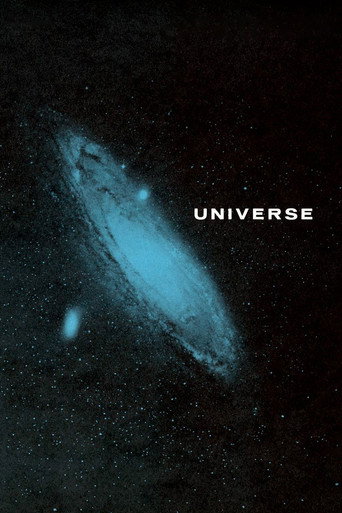
Universe
A triumph of film art, creating on the screen a vast, awe-inspiring picture of the universe as it would appear to a voyager through space, this film was among the sources of inspiration used by Stanley Kubrick for his 2001: A Space Odyssey. Realistic animation takes you into far regions of space, beyond the reach of the strongest telescope, past Moon, Sun, and Milky Way, into galaxies yet unfathomed.
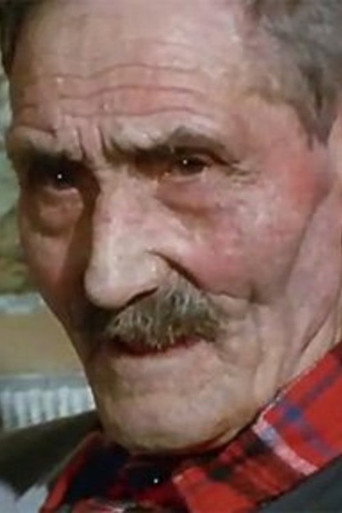
The Baymen
Baymen, no matter where they go, remain above all else Newfoundlanders. They were born to the sea, to a place in the life of their cliffside village, but many of the younger generation are now looking to the city for their future. The film, produced in 1965, follows a bayman's family to St. John's, showing what such a change means to father, daughter and grandfather.
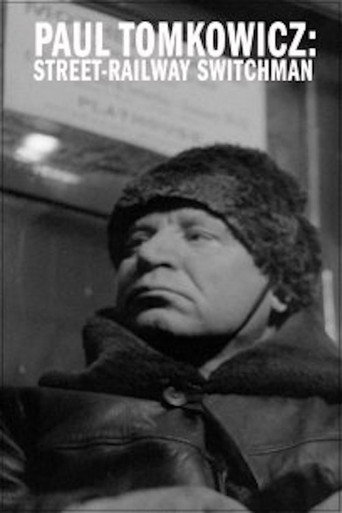
Paul Tomkowicz: Street Railway Switchman
A self-narrated portrait of a Polish immigrant in Winnipeg whose unglamorous job keeping streetcar switches working reveals dignity, resilience, and pride in everyday labor.
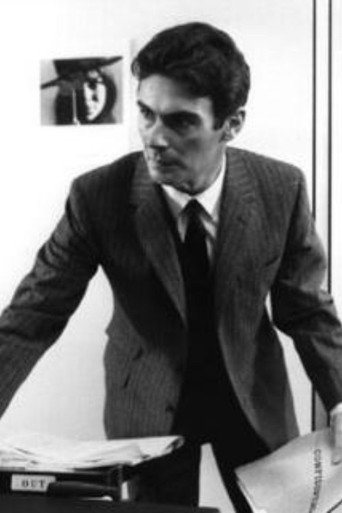
Little White Crimes
A tale from downtown, where the morality of business is not always as transparent as the shining glass fronts of the office buildings. The film follows the adventures of a young man on the way up, intent on building an image to match his ambitions. In doing so he leaves a trail of hurt feelings among those he uses as steps toward his goal.
Nose and Tina
Nose and Tina are a couple in love. The film captures the domestic details of their life together and documents their hassles with work, money and the law. The unusual bit: He is employed as a brakeman, and she as a sex worker.
Country Threshing
This short documentary records the rural sights and sounds of the Eastern Townships of Quebec. The day of the big stationary threshing machine is almost over, as the machine is pushed into obscurity by the combine harvester. But there are still parts of Canada where crops are gathered in the old-fashioned way as the men work out in the fields and the women manage the kitchen. This film offers a rare and charming glimpse into mid-20th-century rural and family life in Canada.
The End of the Line
This documentary short offers a nostalgic look at the steam locomotive as it passes from reality to history. In its heyday, the big smoke-belching steam engine seemed immortal. Now, powerful and efficient diesels are pushing the old coal-burning locomotives to the sidelines, and the lonely echo of their whistles may soon be a thing of the past.
In the Labyrinth
"Labyrinth" is a groundbreaking multi-screen 45-minute presentation produced for Chamber III of the Labyrinth at Expo 67 in Montreal, using 35 mm and 70 mm film projected simultaneously on multiple screens. A film without commentary in which multiple images, sometimes complementary, sometimes contrasting, draw the viewer through the different stages of a labyrinth. The tone of the film moves from great joy to wrenching sorrow; from stark simplicity to ceremonial pomp. It is life as it is lived by the people of the world, each one, as the film suggests, in a personal labyrinth. Re-released in 1979 as "In the Labyrinth" by the National Film Board of Canada in a 21-minute single projection format.
Gallery