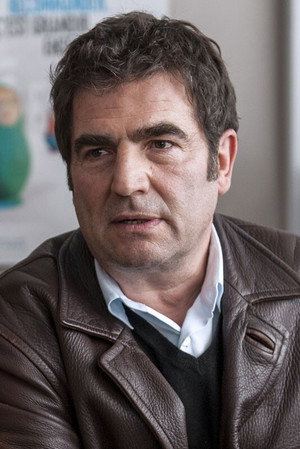
Romain Goupil Movies, TV Shows, and Filmography
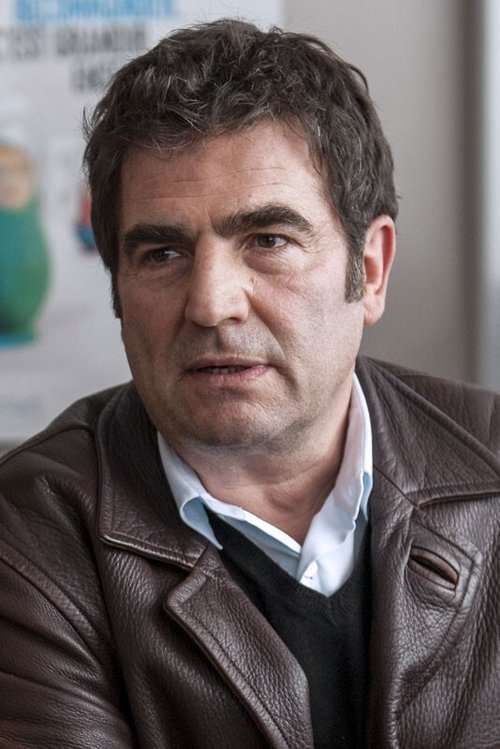
Romain Goupil
Directing
Biography
Politically committed to the left, Romain Goupil, born in 1951, is the most eloquent representative of the spirit of the revolution of May 1968. From his first feature in 1982, Mourir à 30 ans (1982) to his latest to date Les mains en l' air (2010), he has managed to remain faithful to his ideals, quite a feat if you think of all of his fellow revolutionaries who have changed sides, lured by money and/or power. His films, whether documentaries or fiction, have failed -with one or two exceptions - to draw large audience but they will remain a mirror of a whole generation.
Filmography Movies
Acting
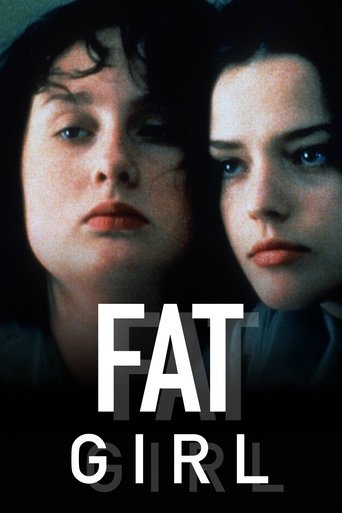
Fat Girl
Anaïs is twelve and bears the weight of the world on her shoulders. She watches her older sister, Elena, whom she both loves and hates. Elena is fifteen and devilishly beautiful. Neither more futile, nor more stupid than her younger sister, she cannot understand that she is merely an object of desire. And, as such, she can only be taken. Or had. Indeed, this is the subject: a girl's loss of virginity. And, that summer, it opens a door to tragedy.
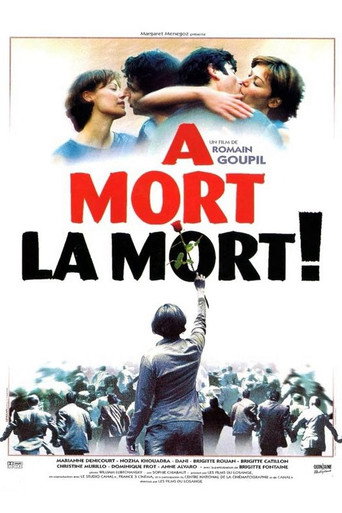
À mort la mort !
The idea for this film about a generation and its lost ideals came to Romain Goupil after attending several funerals of friends in the fall of 1996, where the '68 generation, now in influential positions in media or politics, kept meeting each other. It seemed as if the revolution that they had tried to make was being buried with each coffin. A MORT LA MORT is in some ways an homage to this generation, now in their fifties. They were a privileged generation that thought that they could change the world, doing everything that their parents failed to do. There were no actual deaths in France as there were in Germany or Italy, but the system was not ideal for personal issues or for love. There was always a scapegoat for the injustices of the world, be it capitalism or imperialism. That way the blame could be placed somewhere else. Some of the '68 generation are still faithful to the principles of their youth and still continue to fight for the illusions of the past.
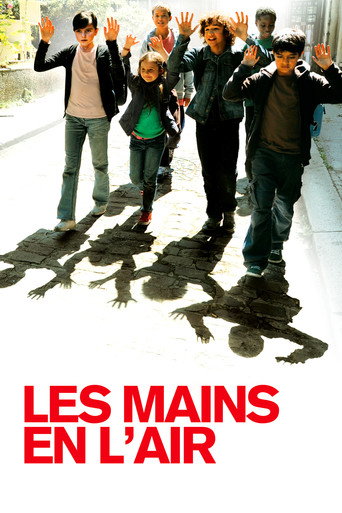
Hands in the Air
March 22, 2067. At dawn of life, Milana remembers her life, when she was a young Chechen immigrant in Paris, struggling for a better life along with her school friends.
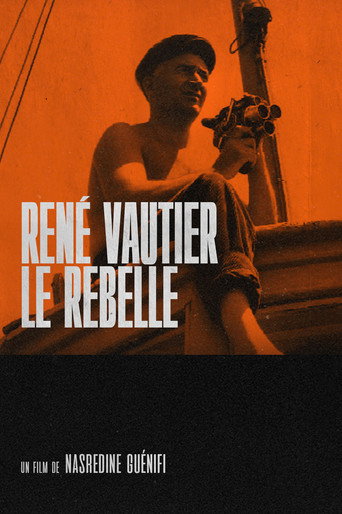
René Vautier, le rebelle
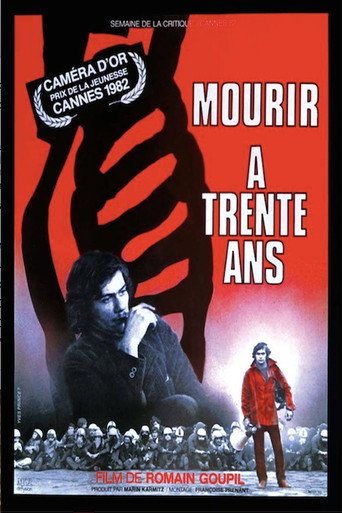
Half a Life
Michel Recanati was a militant leader in the May, 1968 riots in Paris, organizing many groups to meet, discuss, and act on leftist principles both before and after the disturbances. He was imprisoned for a short while in 1973. Disillusioned after the failure of the demonstrations and the death of the only woman he had loved, his life seems to have changed from a period of hope and activism to one of bottomless despair. His friend, Romain Goupil wrote and directed this biographical documentary. Death at 30 received the 1982 Cannes Film Festival's Golden Camera Award for "Best First Feature-Length Film."
Mon homme
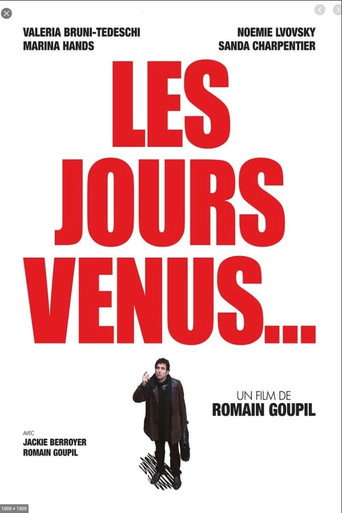
Les Jours venus
The day comes when your children look at your past as if you had fought at Verdun. The day comes when an official letter questions your age and your status and pushes you toward retirement. The day comes when your latest screenplay idea does not turn into a film. The day comes when your new bank manager urgently summons you. The day comes when you remember meeting Her during the war in Sarajevo. The day comes when you begin all your sentences with “before.” The day comes when all your time is measured out, the children grow up, your parents grow weak. The day comes when you meet a young woman who loves old men: the old married ones.
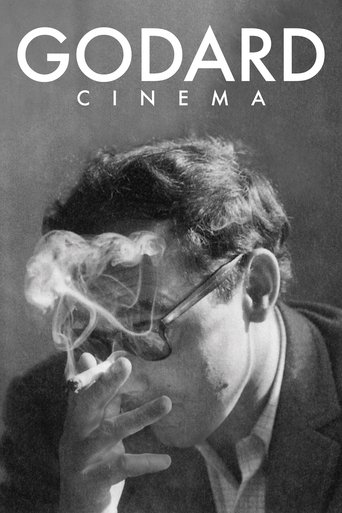
Godard Cinema
Jean-Luc Godard is synonymous with cinema. With the release of Breathless in 1960, he established himself overnight as a cinematic rebel and symbol for the era's progressive and anti-war youth. Sixty-two years and 140 films later, Godard is among the most renowned artists of all time, taught in every film school yet still shrouded in mystery. One of the founders of the French New Wave, political agitator, revolutionary misanthrope, film theorist and critic, the list of his descriptors goes on and on. Godard Cinema offers an opportunity for film lovers to look back at his career and the subjects and themes that obsessed him, while paying tribute to the ineffable essence of the most revered French director of all time.
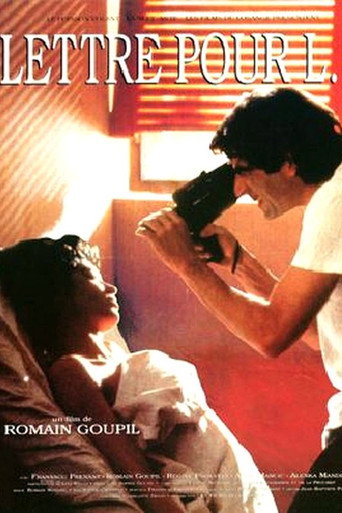
A Letter to L...
She was 18. They were in love and lived together for ten years. 20 years later, he receives a letter from her. L is very ill. He grabs hold of his camera and films while trying to make her talk about other things, about cinema and what’s become of those political struggles…
Room 666
During the 1982 Cannes Film Festival, Wim Wenders asked a number of global film directors to, one at a time, go into a hotel room, turn on the camera, and answer a simple question: "What is the future of cinema?"
Production
À mort la mort !
The idea for this film about a generation and its lost ideals came to Romain Goupil after attending several funerals of friends in the fall of 1996, where the '68 generation, now in influential positions in media or politics, kept meeting each other. It seemed as if the revolution that they had tried to make was being buried with each coffin. A MORT LA MORT is in some ways an homage to this generation, now in their fifties. They were a privileged generation that thought that they could change the world, doing everything that their parents failed to do. There were no actual deaths in France as there were in Germany or Italy, but the system was not ideal for personal issues or for love. There was always a scapegoat for the injustices of the world, be it capitalism or imperialism. That way the blame could be placed somewhere else. Some of the '68 generation are still faithful to the principles of their youth and still continue to fight for the illusions of the past.
Sa vie à elle
Yakine, bright student with algerian origins, wears the hijab. Her family and her school want to understand but she refuses to talk about it.
Sa vie à elle
Yakine, bright student with algerian origins, wears the hijab. Her family and her school want to understand but she refuses to talk about it.
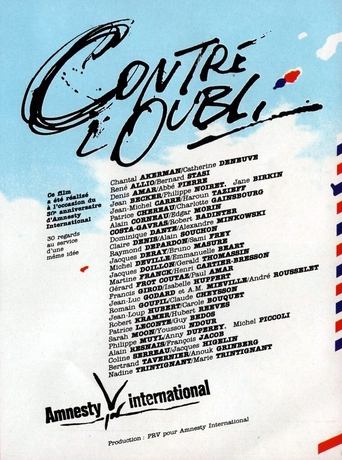
Lest We Forget
A compilation of 30 French filmmakers, Alain Resnais and Jean Luc Godard among them, who use film to make a plea on behalf of a political prisoner. Jean Luc Godard and Anne Marie Mieville's film concerns the plight of Thomas Wanggai, West Papuan activist who has since died in prison. The short films were commissioned by Amnesty International.
Hands in the Air
March 22, 2067. At dawn of life, Milana remembers her life, when she was a young Chechen immigrant in Paris, struggling for a better life along with her school friends.
Hands in the Air
March 22, 2067. At dawn of life, Milana remembers her life, when she was a young Chechen immigrant in Paris, struggling for a better life along with her school friends.
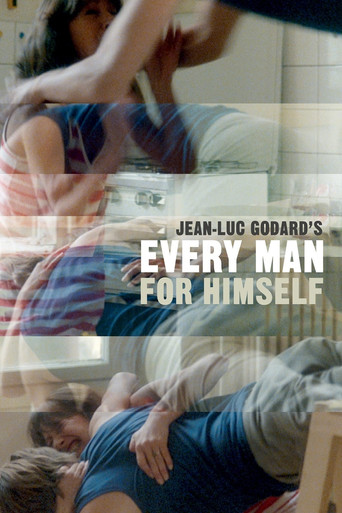
Every Man for Himself
A look at the sexual and professional lives of three people — a television director, his ex-girlfriend, and a sex worker.
Half a Life
Michel Recanati was a militant leader in the May, 1968 riots in Paris, organizing many groups to meet, discuss, and act on leftist principles both before and after the disturbances. He was imprisoned for a short while in 1973. Disillusioned after the failure of the demonstrations and the death of the only woman he had loved, his life seems to have changed from a period of hope and activism to one of bottomless despair. His friend, Romain Goupil wrote and directed this biographical documentary. Death at 30 received the 1982 Cannes Film Festival's Golden Camera Award for "Best First Feature-Length Film."
A Letter to L...
She was 18. They were in love and lived together for ten years. 20 years later, he receives a letter from her. L is very ill. He grabs hold of his camera and films while trying to make her talk about other things, about cinema and what’s become of those political struggles…
Les Jours venus
The day comes when your children look at your past as if you had fought at Verdun. The day comes when an official letter questions your age and your status and pushes you toward retirement. The day comes when your latest screenplay idea does not turn into a film. The day comes when your new bank manager urgently summons you. The day comes when you remember meeting Her during the war in Sarajevo. The day comes when you begin all your sentences with “before.” The day comes when all your time is measured out, the children grow up, your parents grow weak. The day comes when you meet a young woman who loves old men: the old married ones.
Gallery