Romain Gary Movies, TV Shows, and Filmography
Romain Gary
Writing
Biography
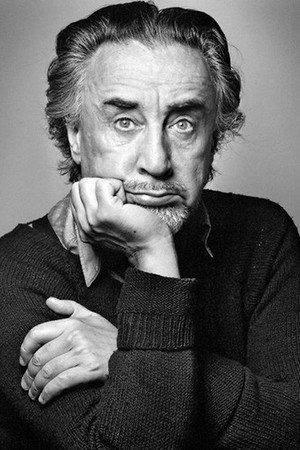
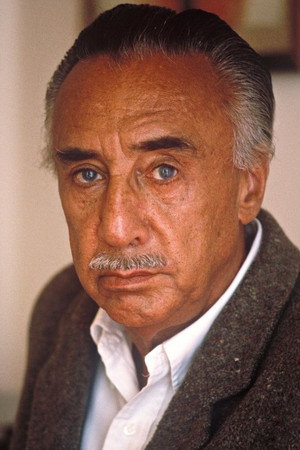
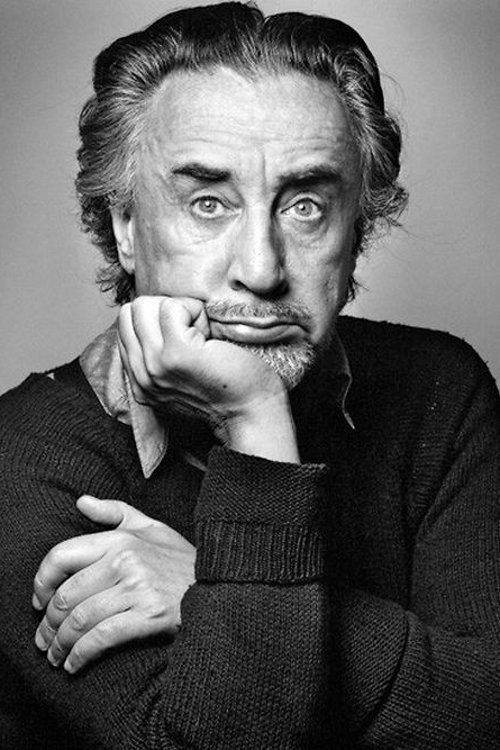
Romain Gary (21 May [O.S. 8 May] 1914 – 2 December 1980), born Roman Kacew, and also known by the pen name Émile Ajar), was a French novelist, diplomat, film director, and World War II aviator. He is the only author to have won the Prix Goncourt under two names. He is considered a major writer of French literature of the second half of the 20th century. He was married to Lesley Blanch, then Jean Seberg. Gary was born Roman Kacew (Yiddish: רומן קצב Roman Katsev, Russian: Рома́н Ле́йбович Ка́цев, Roman Leibovich Katsev) in Vilnius (at that time in the Russian Empire). In his books and interviews, he presented many different versions of his parents' origins, ancestry, occupation and his own childhood. His mother, Mina Owczyńska (1879—1941), was a Jewish actress from Švenčionys (Svintsyán) and his father was a businessman named Arieh-Leib Kacew (1883—1942) from Trakai (Trok), also a Lithuanian Jew. The couple broke in 1925 and Arieh-Leib remarried. Gary later claimed that his actual father was the celebrated actor and film star Ivan Mosjoukine, with whom his actress mother had worked and to whom he bore a striking resemblance. Mosjoukine appears in his memoir Promise at Dawn. Deported to central Russia in 1915, they stayed in Moscow until 1920. They later returned to Vilnius, then moved on to Warsaw. When Gary was fourteen, he and his mother emigrated illegally to Nice, France. Converted to Catholicism by his mother, Gary studied law, first in Aix-en-Provence and then in Paris. He learned to pilot an aircraft in the French Air Force in Salon-de-Provence and in Avord Air Base, near Bourges. ... Source: Article "Romain Gary" from Wikipedia in English, licensed under CC-BY-SA 3.0.
Filmography Movies
Acting
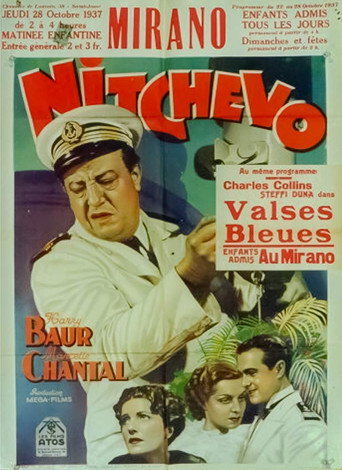
Nitchevo
A commander suspects his wife of infidelity, when she turns to a subordinate officer to help her against someone threatening to blackmail her about her troubled past.
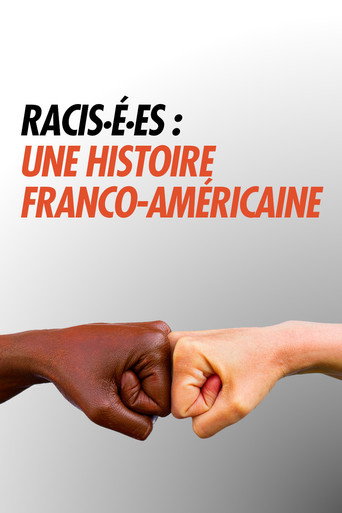
Racisé.e.s : Une histoire franco-américaine
Within a few years, France has witnessed the emergence of a new perspective on society, identity, and race, leading to the creation of an unprecedented lexicon that contradicts the principles of French-style universalism. These days, terms such as "white privilege", "intersectionality", "cancel culture", and the adjective "racialised" are defining a new relationship between minorities, differences, and society, especially among the younger generation. What is the origin of this vocabulary? What does 'wokism' mean? What is the origin of its adoption in France? Is it an opportunity? Or a threat? Is this an unfortunate implementation of a model not our own? This documentary delves into the origins and consequences of a phenomenon that is no longer trivial through archive footage and insights from prestigious contributors, analysts, and witnesses.

A Perfect Man
A struggling writer finds a shortcut to fame, but a blackmailer threatens to ruin his perfect life.
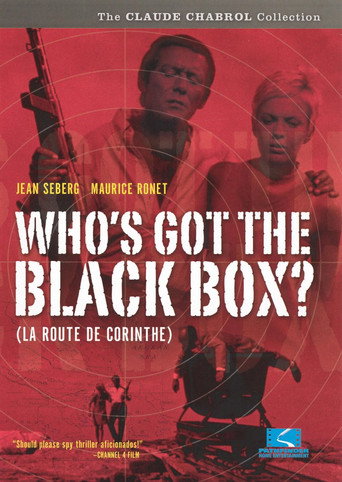
The Road to Corinth
The widow of a murdered undercover NATO officer in Greece is the prime suspect in his killing. She finds herself embroiled in a bigger conspiracy about the sabotage of U.S. radar installations while trying to prove her innocence.
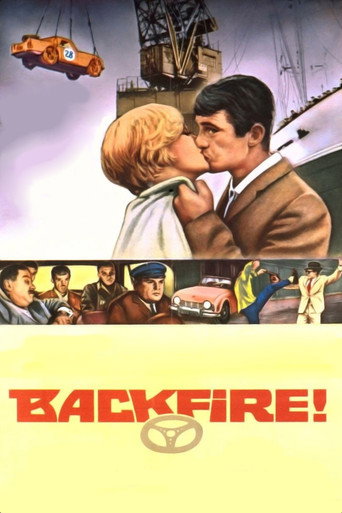
Backfire
A greedy gold smuggler hires a handsome hero to transport a stolen fortune to a new hideout accompanied by the smuggler's sexy girlfriend.
Production
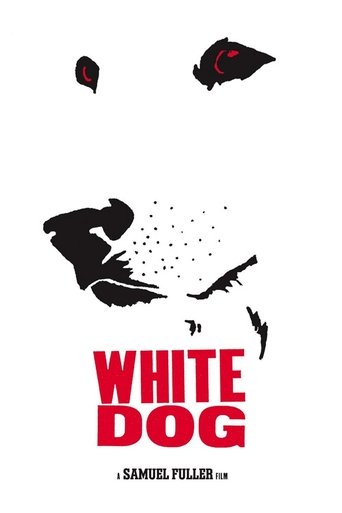
White Dog
Samuel Fuller’s throat-grabbing exposé on American racism was misunderstood and withheld from release when it was made in the early eighties.Today, the notorious film is lauded for its daring metaphor and gripping pulp filmmaking. Kristy McNichol stars as a young actress who adopts a lost German shepherd, only to discover through a series of horrifying incidents that the dog has been trained to attack black people, and Paul Winfield plays the animal trainer who tries to cure him. A snarling, uncompromising vision, White Dog is a tragic portrait of the evil done by that most corruptible of all animals; the human being.
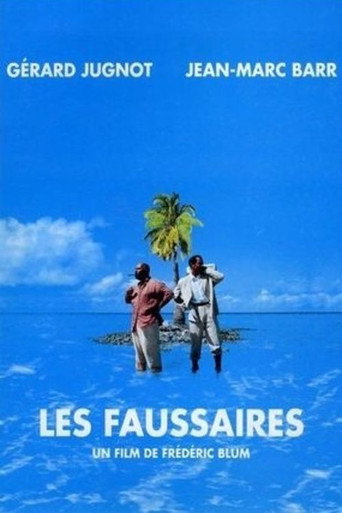
Les Faussaires
This comedy was shot in Tahiti. It focuses on the rocky relationship between Cohn, a local con man, and author Jack Baker who wants to profile Paul Gauguin in an upcoming book. Cohn, an obnoxious crook and pathological liar originally from Paris, has been the bane of the local population for years, yet despite his annoyances they will not arrest him. Hearing that Cohn owns an authentic Gauguin, Jack Baker makes his acquaintance. They do not get off to a great start, but eventually become friends after Cohn's secret is discovered.
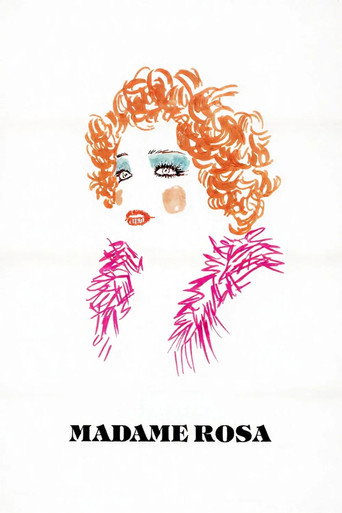
Madame Rosa
Madame Rosa lives in a sixth-floor walkup in the Pigalle; she's a retired prostitute, Jewish and an Auschwitz survivor, a foster mom to children of other prostitutes. Momo is the oldest and her favorite, an Algerian lad whom she raises as a Muslim. He asks about his parents; she answers evasively. As she ages and takes fewer children, Momo must do more for her; as money is tight, he tries to earn pennies on the street with a puppet. He's a beautiful man-child, and Madame Rosa makes him promise never to sell himself or become a pimp. A film editor, Nadine, befriends him, and his father appears as well. Madame Rosa reaches her last days in fear of hospitals, and Momo must act.
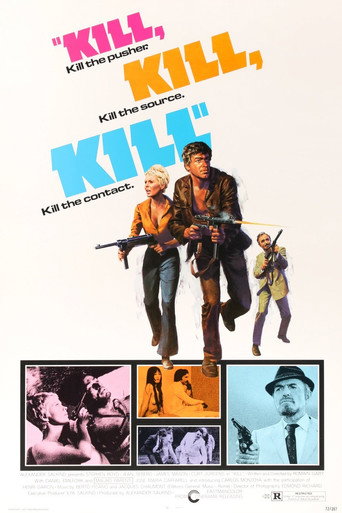
Kill!
Interpol investigates the freelance killings of drug and porn peddlers.
Kill!
Interpol investigates the freelance killings of drug and porn peddlers.
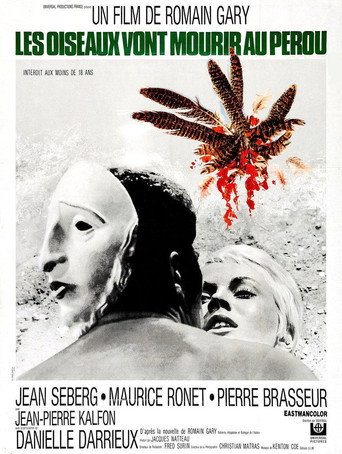
Birds in Peru
A nymphomaniac young woman, unsatisfied by her husband, searches for sex in the brothels of a seaside town while he sets to kill her.
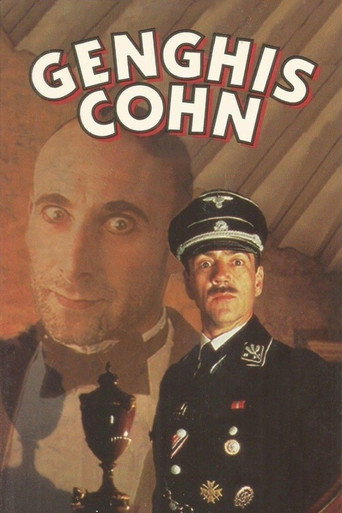
Genghis Cohn
In the midst of World War II, Nazi officer Otto Schatz declares the execution of Jewish music-hall comedian Genghis Cohn. Many years later, Otto is comfortably retired into the life of a highly respected police commissioner, and is investigating a series of murders when he encounters the ghost of Genghis Cohn. The haunting turns into a taunting, and before he knows it, Schatz is slowly driven mad as he is lured into a trap.
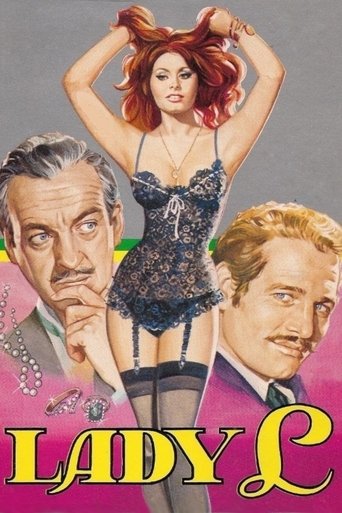
Lady L
Lady L is an elegant 80-year-old woman who recalls her amorous life story, including past loves and lusty, scandalous adventures she has lived through.
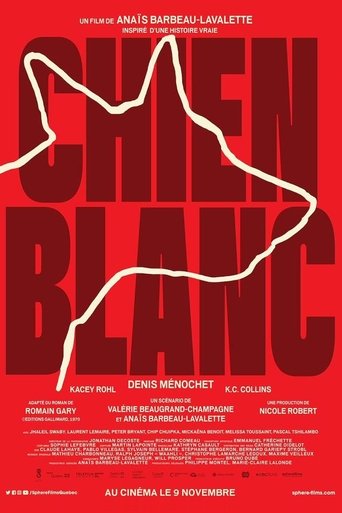
White Dog
As the country explodes under racial tensions after the assassination of Martin Luther King, writer Romain Gary, humanist and animal lover, and his wife, star Jean Seberg, civil rights activist, welcome an abandoned dog into their home, trained to jump at the mouths of blacks: a White Dog.
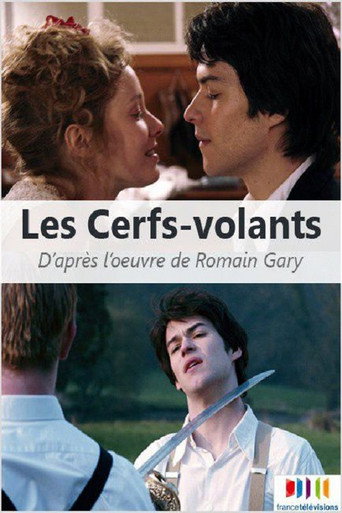
Les Cerfs-volants
Normandy, 1934. Ludo, raised by his uncle Ambroise, a kite maker, befriends little Lila. For five years he loses sight of her, but when they meet again, a love affair begins. War breaks out and separates the young couple again. Lila is forced to go to Poland, while Ludo stays with his uncle. Is Ludo ready to do anything to find his beloved?
Gallery