Directing
Rollan Serhiyenko was a Ukrainian film director. He was awarded the Shevchenko National Prize for his film work.
Program on the life and career of Larisa Shepitko was broadcast on the Russian television channel Kultura and features interviews with the director’s sister Emilia Tutina and son, Anton Klimov.
A program made for Kultura on the life and career of Larisa Shepitko.
A man is notified of his father's imminent death. He travels to his father in a remote Ukrainian village, recalling his childhood during the disastrous forced collectivization and artificial famine (Holodomor) of the 1930s by the Soviet regime. The film was heavily cut due to censorship by the Soviet Government.
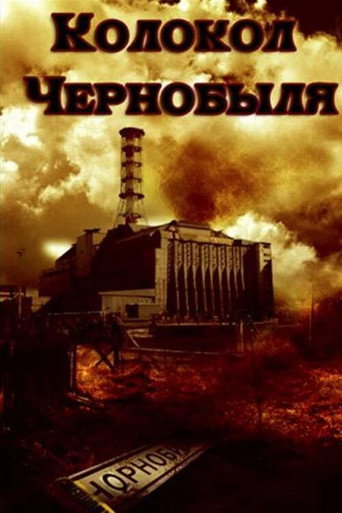
Two years after the Chornobyl nuclear accident survivors come together to remember the aftermath of the tragedy.
The film marks the occasion of the 800-year anniversary of Chornobyl: an epitaph to the nuclear power station tragedy. Lina Kostenko, the Ukrainian poetess, joins former residents on their annual trip to the dead town.
Women of Ukraine of the 20th century — residents of villages, collective farms, and cities of the Soviet republic — talk about themselves. The context of the great story is revealed through tragic, not at all bookish, first-person narratives and documentary footage of menial labor in the fields and construction sites.
The first full-length film about the Chornobyl tragedy, filmed in May-September 1986. The authors did not set themselves the task of showing an exhaustive picture of what happened in Chornobyl. They sought to capture the testimonies of people directly involved in the tragedy, the lessons of which have yet to be realized.
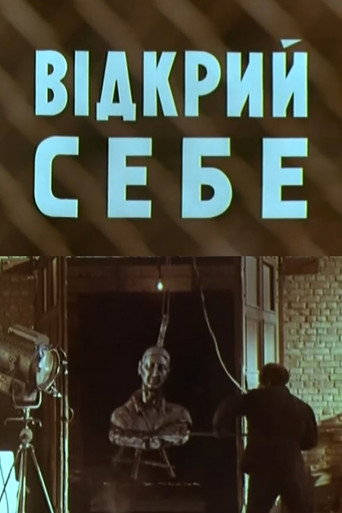
Documentary about the famous Ukrainian philosopher and poet Hryhoriy Skovoroda, which was banned by Soviet censorship. The film only reached the screens 15 years later, during Perestroika era.
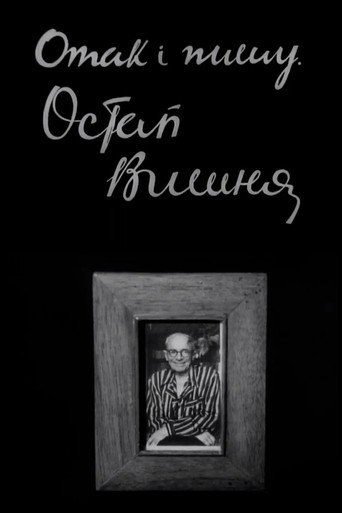
Documentary film about the outstanding Ukrainian humorist Ostap Vyshnia.
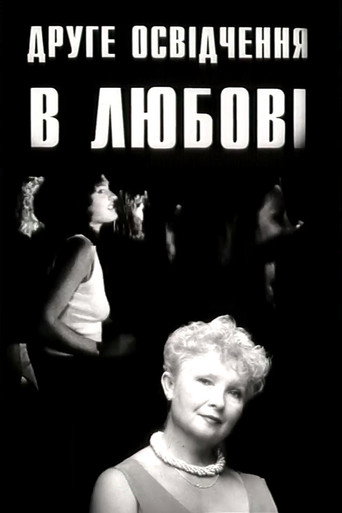
The documentary about the destinies of women who lived or are living in different regions of Ukraine, and explores their destinies in the present. The film tells about the fate of the heroines of the film "Declaration of Love" (1966) Tekla Barmashova (killed in 1922), veterans Elizaveta Marapulets (died in 1982), Maria Lahunova (died in 1995), agronomist Maria Molodyk-Kryvokulska, milkmaid, deputy of the Verkhovna Rada of the Ukrainian SSR Nina Sribna-Babenko, violinist Lyubov Chaikovska and glider, master of sports Zinaida Solovei. Female heroines and their loved ones share memories, problems, talk about modern Ukraine.
Follows the Chornobyl disaster.