Roland Petit Movies, TV Shows, and Filmography
Roland Petit
Crew
Biography
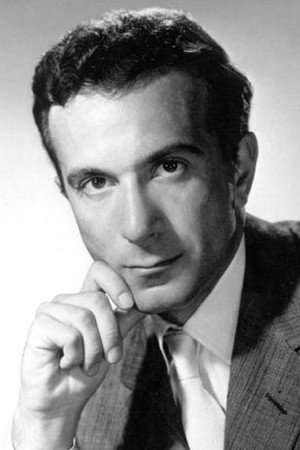
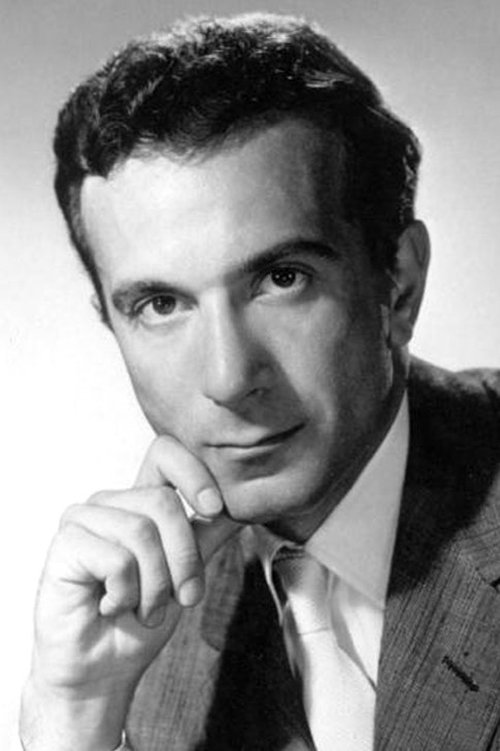
Roland Petit (13 January 1924 – 10 July 2011) was a French ballet company director, choreographer and dancer. He trained at the Paris Opera Ballet school, and became well known for his creative ballets. The son of shoe designer Rose Repetto, Petit was born in Villemomble, near Paris. He trained at the Paris Opéra Ballet school under Gustave Ricaux and Serge Lifar and began to dance with the corps de ballet in 1940. He founded the Ballets des Champs-Élysées in 1945 and the Ballets de Paris in 1948, at Théâtre Marigny, with Zizi Jeanmaire as star dancer. Petit collaborated with Constant Lambert (Ballabile - 1950), Henri Dutilleux (Le Loup - 1953), Serge Gainsbourg, Yves Saint-Laurent and César Baldaccini and participated in several French and American films. He returned to the Paris Opéra in 1965 to mount a production of Notre Dame de Paris (with music by Maurice Jarre). He continued to direct ballets for the largest theatres of France, Italy, Germany, Great Britain, Canada and Cuba. In 1968, his ballet Turangalîla provoked a small revolution within the Paris Opéra. Four years later, in 1972, he founded the Ballet National de Marseille with the piece "Pink Floyd Ballet". He directed the Ballet National de Marseille for the next 26 years. For the décor of his ballets, he would work in close collaboration with the painter Jean Carzou (1907–2000), but also with other artists such as Max Ernst. The creator of more than 50 ballets across all genres, he choreographed for a plethora of famed international dancers. He refused the free technical effects; he did not stop reinventing his style, language, and became a master in the arts of pas de deux and of narrative ballet, but he succeeded also in abstract ballets. He collaborated also with the nouveaux réalistes including Martial Raysse, Niki de Saint Phalle and Jean Tinguely. Le jeune homme et la mort ("The Young Man and Death") of 1946 (libretto by Jean Cocteau) is considered his magnum opus and it is also his most well-known work; the choreography and the costumes are of astonishing modernity. In his 1949 ballet Carmen, he made an unusual use of the en dedans, while he gave a non-figurative treatment to Turangalîla. Among the films to which he contributed are Symphonie en blanc by René Chanas and François Ardoin (1942 short film on history of dance) in which he appeared as a dancer; the choreography for the 1948 film Alice in Wonderland, The Glass Slipper in 1954, Anything Goes (with others) in 1956, and Black Tights as choreographer, writer, and dancer in 1960. In 1994, he was awarded the Prix Benois de la Danse as choreographer. In 1954, Petit married dancer Zizi Jeanmaire, who performed in a number of his works. His memoirs were published in 1993 under the title J'ai dansé sur les flots ("I Danced on the Waves"). He and Jeanmaire had one daughter, Valentine Petit, a dancer and actress. Petit died in Geneva, Switzerland, aged 87, of leukemia in 2011. Source: Article "Roland Petit" from Wikipedia in English, licensed under CC-BY-SA 3.0.
Filmography Movies
Acting
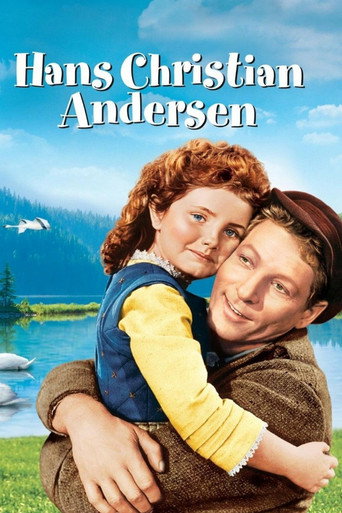
Hans Christian Andersen
A small-town shoemaker with a knack for spinning yarns, Hans encounters happiness and heartbreak on his road to becoming a full-fledged writer.
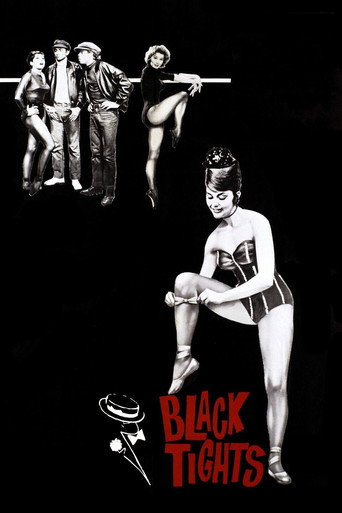
Black Tights
Lively scenes of Paris, all narrated by Maurice Chevalier, link together four dramatic ballet choreographies by Roland Petit: La Croqueuse de diamants (The Gold Digger), Cyrano de Bergerac, Deuil en 24 heures (A Merry Mourning), and Carmen.
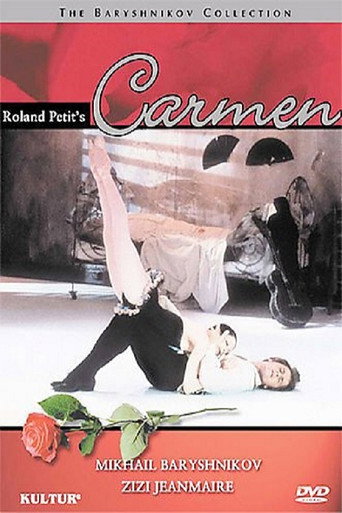
Carmen
Mikhail Baryshnikov and Zizi Jeanmaire sizzle in this ballet set to the music and story of Carmen.
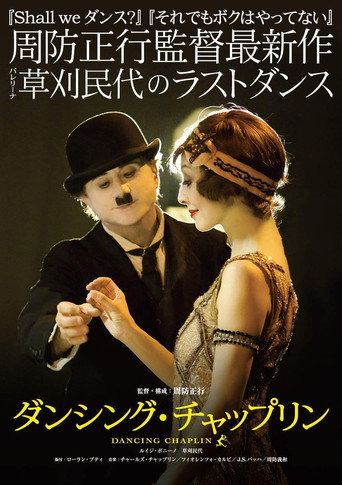
Dancing Chaplin
The celebrated French choreographer Roland Petit had always had his eye on a film presentation of his ballet "Chaplin Dances", which premiered in 1991 and has been touring the world since, and he assigned this project to his trusted friend, Masayuki Suo, pioneer of the current revival of Japanese cinema. Drawing upon a wealth of worldwide ballet talent, Petit's ballet and Chaplin's films, Suo reinvented the work and has given it a new lease of life. The resulting piece is not simply a filmed record of the ballet but a union of the two media that reflects the meeting of the great talents of Chaplin, Petit and Suo
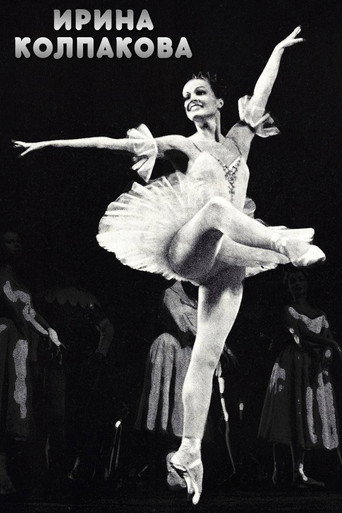
Irina Kolpakova
About the soloist of the Mariinsky Theatre of Opera and Ballet, the famous ballerina Irina Alexandrovna Kolpakova. The ballerina is shown in completely different situations — she conducts rehearsals, teaches, takes exams at the conservatory, learns English, rehearses numbers from the ballet 'Giselle,' and feels nervous before the start of a performance.
Production
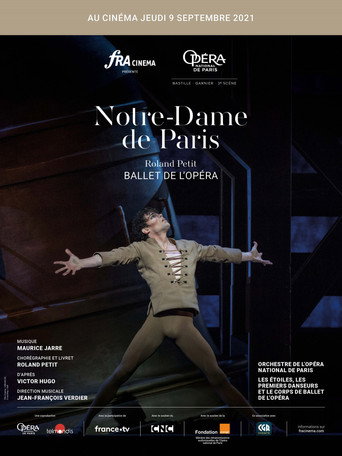
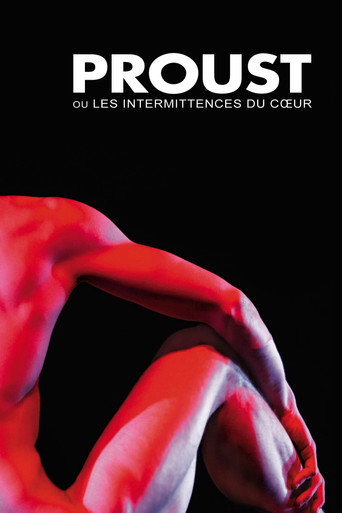
Proust ou les Intermittences du cœur
Ballet en deux actes et treize tableaux du chorég. This is a live recording of a performance at Paris Garnier in 2007. Petit's earlier production for the Ballet de Marseille used more realistic stage sets, but the current Paris version has minimal stage sets. Also, the costumes were redesigned. Roland Petit created a ballet based on "In Search of Lost Time" for the Ballet de Marseille in the 1970s. Petit's intention was not to make a faithful adaptation of the novel, but to capture its flavour and convey, through a number of selected scenes, the narrator's incessant fluctuations between happiness and torment. The highlights are the series of poetical pas de deux.
Hans Christian Andersen
A small-town shoemaker with a knack for spinning yarns, Hans encounters happiness and heartbreak on his road to becoming a full-fledged writer.
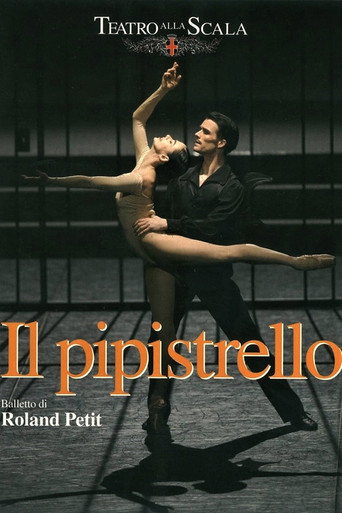
Il pipistrello (La Scala)
Every night, Johann puts on bat's wings and flies off to enjoy himself. Bella, troubled by her husband's hedonistic activities, consults with her friend Ulrich and plots to disguise herself as a mysterious beauty to seduce her husband. A ballet in two acts after Johann Strauss' "Die Fledermaus" choreographed by Roland Petit, staged by Teatro alla Scala and filmed for television.
Black Tights
Lively scenes of Paris, all narrated by Maurice Chevalier, link together four dramatic ballet choreographies by Roland Petit: La Croqueuse de diamants (The Gold Digger), Cyrano de Bergerac, Deuil en 24 heures (A Merry Mourning), and Carmen.
Black Tights
Lively scenes of Paris, all narrated by Maurice Chevalier, link together four dramatic ballet choreographies by Roland Petit: La Croqueuse de diamants (The Gold Digger), Cyrano de Bergerac, Deuil en 24 heures (A Merry Mourning), and Carmen.
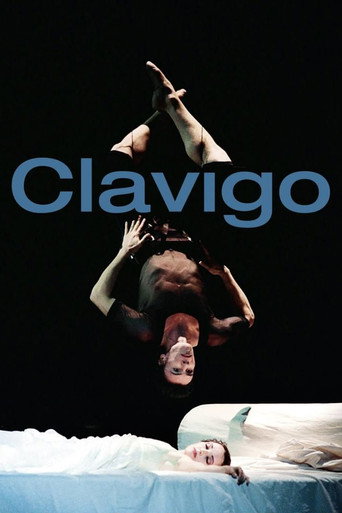
Clavigo
Inspired by Goethe's early romantic play Clavigo, Roland Petit's ballet recounts the agonies of a weak-willed lover torn between the contradictory promptings of his heart and his evil spirit, which urges him to serve his own interests and forsake true love in favor of a life of debauchery. Recorded live at the Opera National de Paris, Palais Garnier, October 1999.
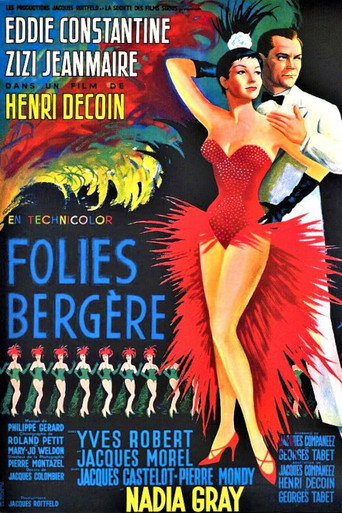
An Evening at the Music Hall
A GI on furlough attends a Folies-Bergères show. He falls in love with a dancer, Claudie, the star of the theater.
Carmen
Mikhail Baryshnikov and Zizi Jeanmaire sizzle in this ballet set to the music and story of Carmen.
Gallery