Roland Kuchenbuch Movies, TV Shows, and Filmography
Roland Kuchenbuch
Acting
Biography
No biography available.
Filmography Movies
Acting

The Architects
The architect Daniel Brenner is in his late thirties when he receives his first challenging and lucrative commission: to design a cultural center for a satellite town in East-Berlin. He accepts the offer under the condition that he gets to choose who he works with. This way, he reunites with former colleagues and friends - most of them architects or students of architecture who have since chosen a different profession due to personal restraint or economic confinement. Together, they develop a concept which they hope will be more appealing to the public than the conventional and dull constructions common to the German Democratic Republic. However, their ambitious plans are once and again foiled by their conservative supervisors. As frustration grows, Daniel has trouble keeping his career in balance with his family-life: his wife Wanda wants to leave for West-Germany.
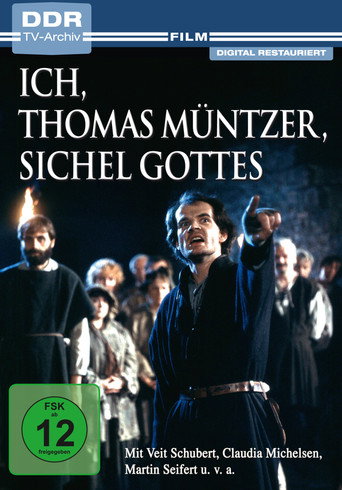
Ich, Thomas Müntzer, Sichel Gottes
1523. The Protestant theologian Thomas Müntzer is entrusted with the pastorate by the 'Allstedt Council'. On the one hand, he is to open people's minds and hearts to more freedom, and on the other, he is to serve as an ally against the count.
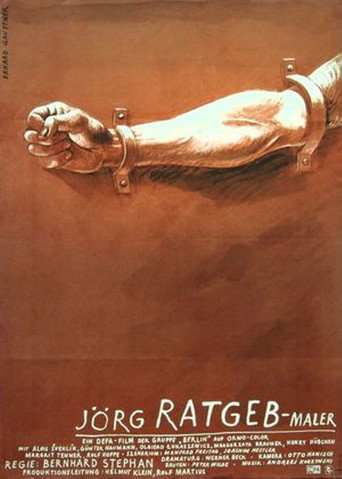
Jörg Ratgeb, Painter
On the eve of the German Peasants' Revolt, painter Joerg Ratgeb is occupied by a crisis of his own: finding a model for a Christ figure. He sets off on a journey to consult with his artistic role model, Albrecht Dürer. Although Ratgeb has always tried to stay out of the political conflict, his journey brings him face-to-face with peasant revolutionaries and the brutality and violence of their daily lives.

Verwandte und Bekannte
Using the example of three generations of a Hamburg working class family, the rise of the working class from the founding of the Wilhelmin Empire to the First World War, over the time of the Weimar Republic and National Socialism to the destruction of the Third Reich.
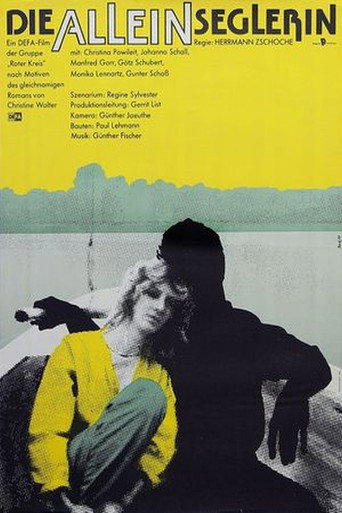
The Solo Sailor
Christine inherits a sailboat from her father, whom she barely knew. Christine is a divorced single mother and her job at a research insitute leaves her with too much work and too little time to sail. She can't find anyone to buy the boat at full value, so she tries to repair it over the winter in the hopes of being able to get a better price in the spring. Working on the boat become something of an obsession to the detriment of Christine's relationships with her son, boyfriend and collegues. When the boat is finally ready to sell, she isn't sure that she is willing to part with it after all.
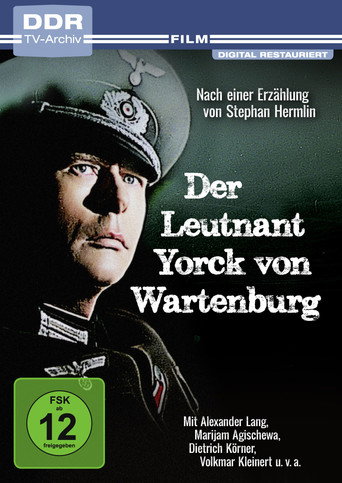
Der Leutnant Yorck von Wartenburg
The young officer Count Yorck von Wartenburg - he bears one of the most famous names of the German past - awaits his execution as a participant in the conspiracy of July 20, 1944. Von Wartenburg, together with his comrades, suffers infinitely long days of terrible torture, disrespect and humiliation as a death candidate. In a dream, he experiences his escape and the real continuation of his fight against fascist barbarism, for which he must detach himself from his class and is involved in the anti-Hitler front by communists and the Soviet army.
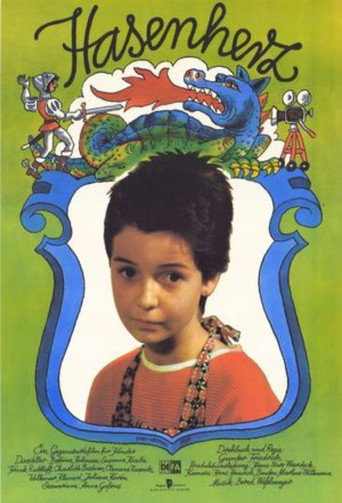
Rabbit Heart
The thirteen year old Janni is depressed, because she's still a little behind in her physical development. This leads to bullying remarks from her classmates. One day, a film crew comes to her school to find a candidate for the role of a Prince in a movie. They choose Janni, who they think is a boy. She takes on the role. At school, she tells her classmates she plays a Princess. When the moment of truth approaches she must find the self-confidence to invite the class to the premiere.
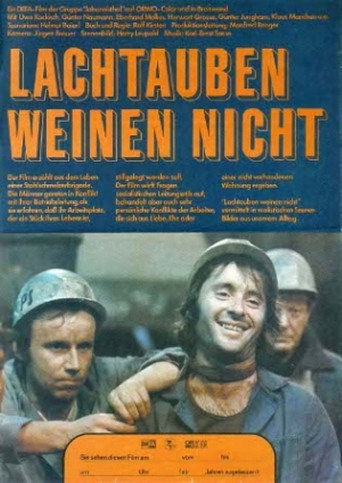
Lachtauben weinen nicht
The film tells the story of the smelter brigade of a steel mill whose members are connected by a strong comradeship. Among the workers are, for instance, young Rolf, whom everybody just calls "Lachtaube" and who always comes through for his co-workers, or the likable Hubert, who works as a simple smelter again after being dismissed as the head of the steel mill. Then, there is also the stubborn Manfred, who should have become a brigadier long ago because of his experience and his competence, but this privilege is refused to him because Manfred is not a party member. Ironically, it is Manfred who hears by accident about the plans of the mill to close down the old Martin furnaces – and to lay off the smelters. When the other men learn about the plans they enter the barricades for their jobs and force the plant′s management to face the workers′ demands and criticism.
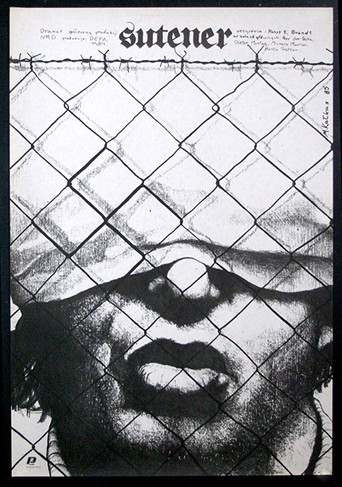
Der Lude
Berlin in the early 1930s. Bello is an unemployed young man who loves the underage Frieda. In order to earn a living for both of them, Frieda goes on the streets. An inspector from the political department takes advantage of this to blackmail Bello into providing informer services. But that's not all. A jealousy murder among pimps, whose victim is a high-ranking Nazi, is blamed on the Communists, and Bello is supposed to be the key witness. He refuses. When the Nazis come to power, they reopen the case to turn the murdered man into a martyr. Bello still refuses. He now believes he is safe because Frieda is now of age. But he pays for his refusal with his life.
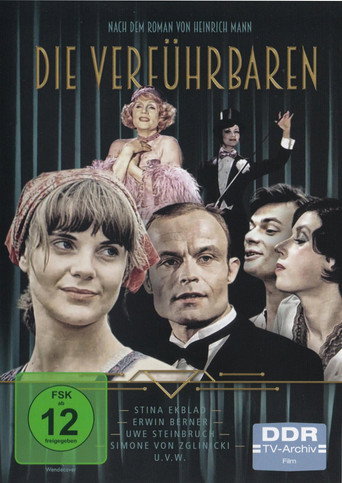
Die Verführbaren
1929: Marie Lehning, a farm worker from Warmsdorf on the Baltic Sea, falls in love with the fisherman's son Mingo. Both complete an apprenticeship in Lübeck. Marie wants to become a seamstress, Mingo a carpenter. After their first night of love, they swear eternal fidelity. But Marie has to return to the village, her mother is ill and her siblings are unprovided for. She starts working as a maid on a farm. Unexpectedly, she meets the young Kurt Meier from Berlin, whom she knows from before.