Roger Planchon Movies, TV Shows, and Filmography

Roger Planchon
Acting
Biography
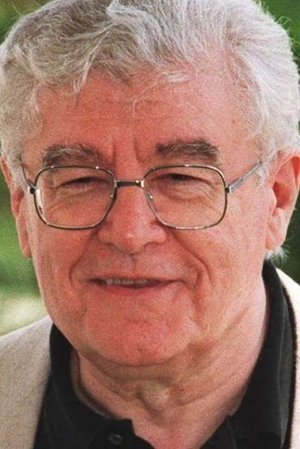
Roger Planchon (born 12 September 1931 in Saint-Chamond, Loire, died on 12 May 2009 in Paris), was a French playwright, director, and filmmaker. Roger Planchon spent his childhood in the Ardèche, notably in Dornas. He found its inspiration from his rural origins and this issue was a recurring theme in his writings. He started on stage in 1949 after winning an amateur theater. In 1952, he founded the Théâtre de la Comédie, located in the rue des Marronniers, in Lyon. He was the director of the Théâtre de la Cité of Villeurbanne since 1957 (which became the Théâtre National Populaire in 1972). Roger Planchon transposed many works by Brecht, Molière, Shakespeare, and many works of contemporary authors, including Arthur Adamov and Michel Vinaver, but also opened the Théâtre National Populaire to Patrice Chéreau, then Georges Lavaudant. As films, he directed George Dandin ou le Mari confondu by Molière, Louis, enfant roi, which was entered at Cannes, and another one by Lautrec. In 2002, Christian Schiaretti succeeded him as director of the TNP; he created his own company with which he continued to write and direct until his death. He died on 12 May 2009 after a heart attack, he is buried in the Père Lachaise Cemetery (22nd division). Source: Article "Roger Planchon" from Wikipedia in English, licensed under CC-BY-SA 3.0.
Filmography Movies
Acting
The Return of Martin Guerre
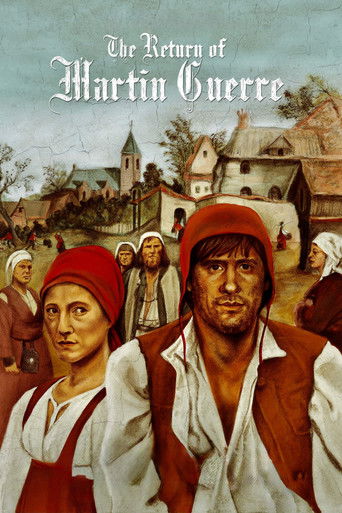
Village of Artigat, southern France, summer 1542, during the reign of Francis I. Martin Guerre and Bertrande de Rols marry. A few years later, accused of having committed a robbery, Martin suddenly disappears. When, almost a decade later, a man arrives in Artigat claiming to be Martin, the Guerre family recognizes him as such; but doubts soon arise about his true identity.
A Man Escaped
A captured French Resistance fighter during World War II engineers a daunting escape from prison.
La Comédie-Française ou L'amour joué
La Comédie-Française is the oldest continuous repertory company in the world, founded in Paris in the late 17th century. This is the first time a documentary film-maker has been allowed to look at all the aspects of the work of this great theatrical company. Sequences in the film include sections of plays, casting, set and costume design, administrative meetings and rehearsals and performances of four classic French plays, Don Juan by Molière, La Thebaide by Racine, La Double Inconstance by Marivaux and Occupe-toi d'Amelie by Feydeau. (Zipporah Films)
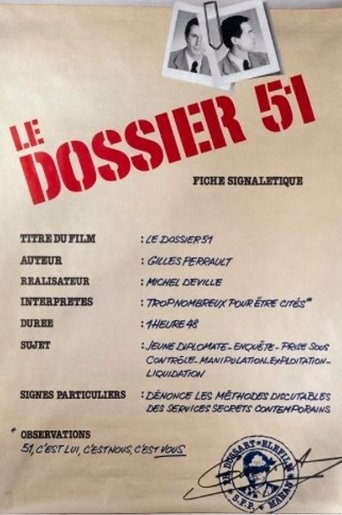
Dossier 51
A French diplomat is surveilled by a secret service to find a weakness for political control, his private life becoming 'File No. 51'.
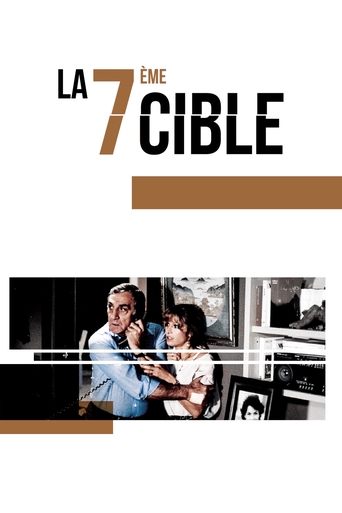
The Seventh Target
Bastien Grimaldy, a man driven to heightened anxiety as the plot against him begins to take effect. Bastien's personal relationships give him enough cause for anxiety -- between his new lover Laura and a feisty mother, life provides its own insecurities. When he goes to the police with his problems, Bastien is assigned an off-beat inspector to protect him but is still faced with skepticism about his dilemma.
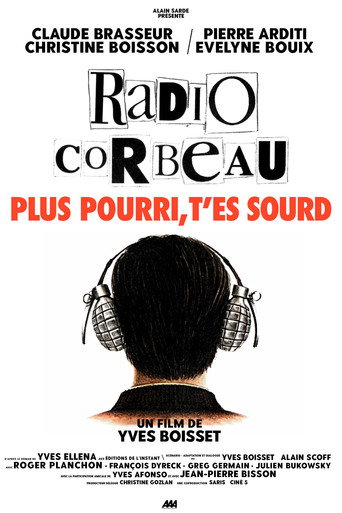
Radio corbeau
This fast-paced mystery is in part based on a novel by Yves Ellena and is at least equally based on the 1943 classic Le Corbeau, which in 1951 was produced in English by Otto Preminger as The Thirteenth Letter. In this movie, someone is using a pirate radio broadcast to dish the dirt on the lives of the elite of a small French town.
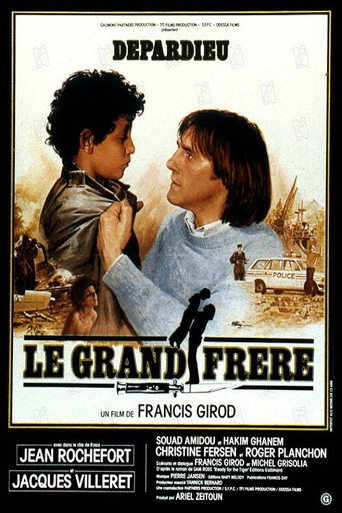
The Big Brother
The plot in this story weaves around like a New Year's reveler at four in the morning, heading first in one direction and then in another, with the intention of going home if things would just stop moving. Bernard (Gerard Depardieu) is a doctor whose Hippocratic oath was a hypocritic failure -- the not-so-good doctor kills his wife because she is having an affair, and he kills her lover too. Then he joins the French Foreign Legion. On his way to the former French colonies in Africa, the plane he is in crashes, and Rossi, a "friend" on the plane with some overweight in carry-on money, shoots Bernard and takes off, leaving him for dead. He is nursed back to life and health by friendly villagers and just his luck, he not only manages to make his fortune in Africa, he also nabs a French passport from a dying man who will clearly not need it anymore unless the Pearly Gates have a French guard.
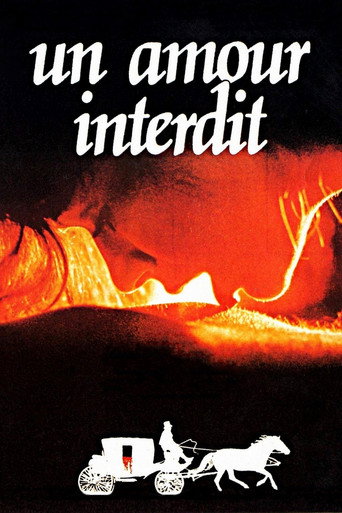
A Strange Passion
French film based on the story Der Findling by german author Heinrich von Kleist.
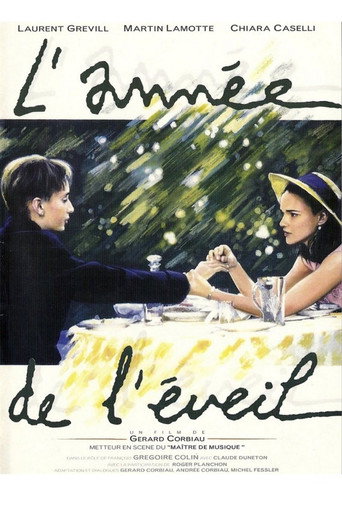
The Year of Awakening
A sensitive, 14 year old orphan in a military school learns about life and love from his classmates and teachers.
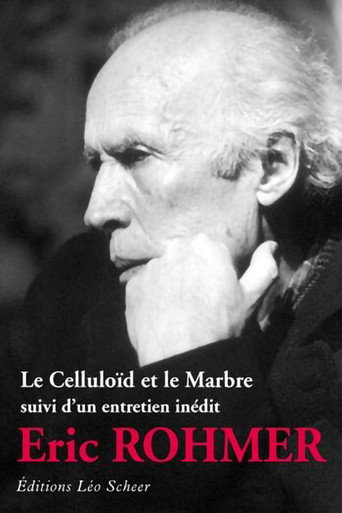
Celluloid and Marble
Celluloid and Marble is based on Rohmer's own articles published in "Cahiers du cinéma", discussing film in relation to the other arts, maintaining that, in an age of cultural self-consciousness, cinema was “the last refuge of poetry” - the only contemporary art form from which metaphor could still spring naturally and spontaneously.
Production
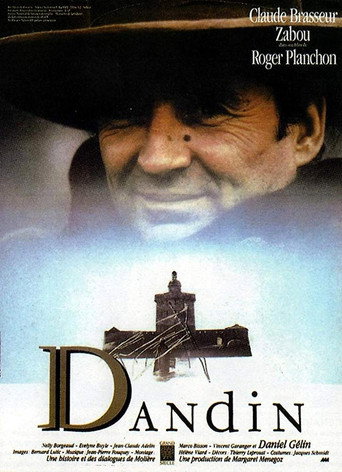
Dandin
Claude Brasseur stars in this cinemadaptation of the Moliere play Georges Dandin, ou le mari confondu. Written in 1668, the play has been somewhat dwarfed by such like-vintage Moliere classics as The Imaginary Invalid. Still, it was popular enough in its time to inspire imitation, most notably Betterton's Don Juan and The Amorous Widow. The plot, involving a wealthy man's avoidance of marriage until he is trapped by a crafty widow, is but a peg upon which to hang any number of comic complications and character vignettes. Brasseur's leading lady is the toothsome Zabou.
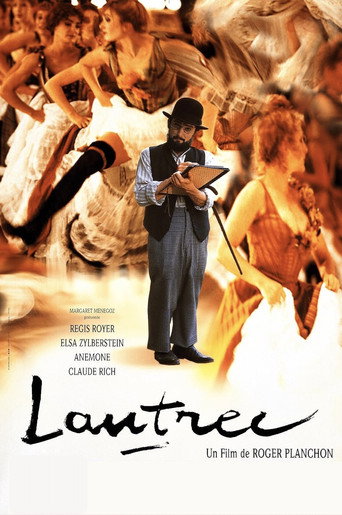
Lautrec
The life of Henri de Toulouse Lautrec, famous french painter, who lived, enjoyed, loved in the late 1800s Paris' Montmartre cultural life. He suffered from suffered from congenital health conditions traditionally attributed to inbreeding. His lifestyle and work are a testimony of the late-19th-century parisian bohemian lifestyle, as he was commissioned to produce a series of posters for the Moulin Rouge cabaret opening. As an alcoholic, he was addicted to absinthe. The movie related his love affair with the french painter Suzanne Valadon.
Lautrec
The life of Henri de Toulouse Lautrec, famous french painter, who lived, enjoyed, loved in the late 1800s Paris' Montmartre cultural life. He suffered from suffered from congenital health conditions traditionally attributed to inbreeding. His lifestyle and work are a testimony of the late-19th-century parisian bohemian lifestyle, as he was commissioned to produce a series of posters for the Moulin Rouge cabaret opening. As an alcoholic, he was addicted to absinthe. The movie related his love affair with the french painter Suzanne Valadon.
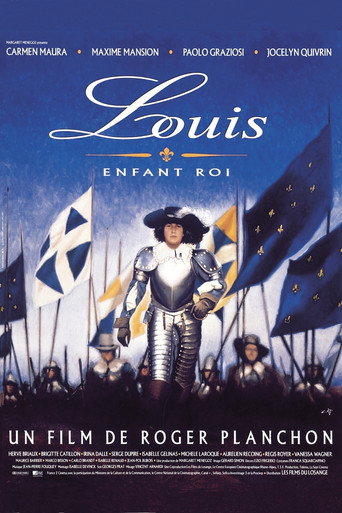
Louis, the Child King
January 1649: Since the death of his father, the young Louis XIV must undergo the hard apprenticeship of royal power. He must face the intrigues of the great ones of the kingdom who lead La Fronde, the agreements and the betrayals of those close to him. He is helped in this by his mother Anne of Austria and by the Cardinal Mazarin.
Louis, the Child King
January 1649: Since the death of his father, the young Louis XIV must undergo the hard apprenticeship of royal power. He must face the intrigues of the great ones of the kingdom who lead La Fronde, the agreements and the betrayals of those close to him. He is helped in this by his mother Anne of Austria and by the Cardinal Mazarin.
Dandin
Claude Brasseur stars in this cinemadaptation of the Moliere play Georges Dandin, ou le mari confondu. Written in 1668, the play has been somewhat dwarfed by such like-vintage Moliere classics as The Imaginary Invalid. Still, it was popular enough in its time to inspire imitation, most notably Betterton's Don Juan and The Amorous Widow. The plot, involving a wealthy man's avoidance of marriage until he is trapped by a crafty widow, is but a peg upon which to hang any number of comic complications and character vignettes. Brasseur's leading lady is the toothsome Zabou.
Gallery