Roger Hodgson Movies, TV Shows, and Filmography
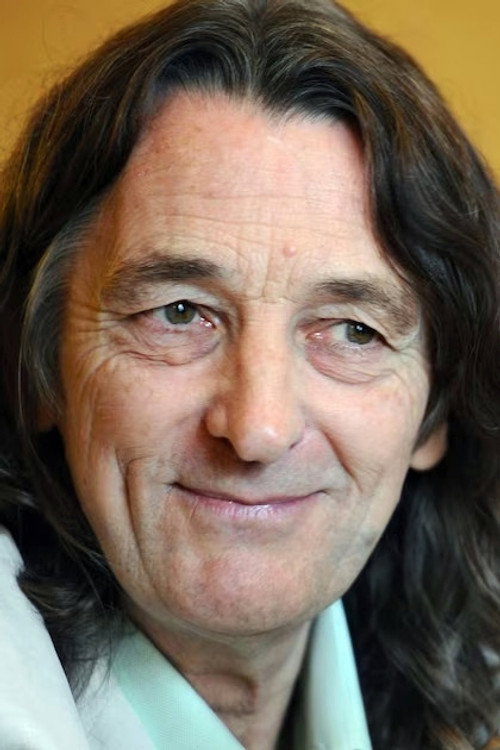
Roger Hodgson
Acting
Biography
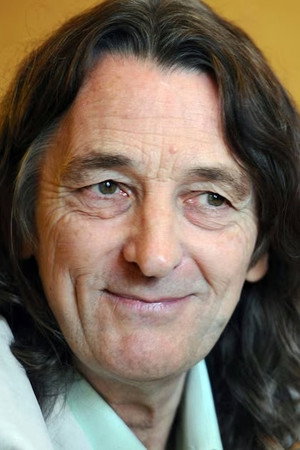
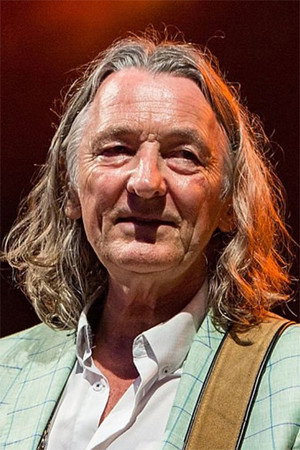
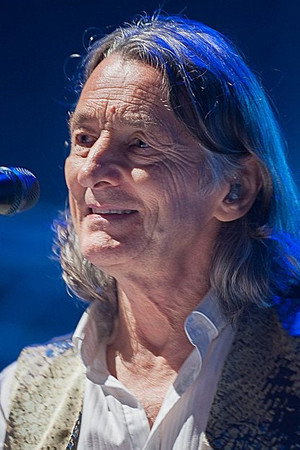
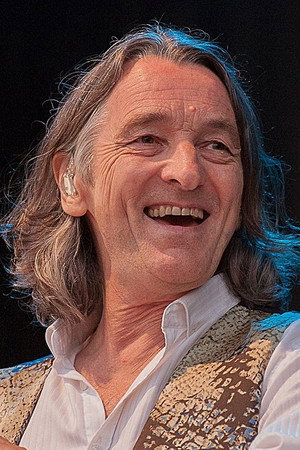
Charles Roger Pomfret Hodgson (born 21 March 1950) is an English singer, musician and songwriter. He is best known as the founding member and former co-frontman of the rock band Supertramp. He wrote or co-wrote and sang the majority of the band’s hits including "Dreamer", "Give a Little Bit", "Take the Long Way Home", "The Logical Song", "It's Raining Again", and "Breakfast in America". In 1983, Hodgson left Supertramp. After releasing two solo albums in 1984 and 1987, he took a break from his music career to spend time with his children as they were growing up. He returned to touring in 1997, and released a third solo album in 2000. Hodgson often writes about spiritual and philosophical topics, and his lyrics have been described as personal and meaningful. Hodgson was born in Portsmouth, Hampshire, England, on 21 March 1950, the son of Charles and Jill Hodgson (née Pomfret), and grew up in Oxford. He attended prep school Woodcote House School near Windlesham, Surrey, where he was the first boy to learn electric guitar, and public school Stowe School near Buckingham. Hodgson's first guitar, given to him when he was 12, was a parting gift from his father when his parents divorced. He took it to boarding school with him, where his teacher taught him three chords. He began composing his own music and lyrics and within a year gave his first concert at school with nine original songs at the age of 13. Hodgson's first band at school consisted of him on guitar and his friend Roy Hovey playing snare drums. They were dubbed the "H-bombs" because of their last names. When aged 19, Hodgson made his first appearance in a recording studio as guitarist for People Like Us, a band he joined shortly after leaving boarding school. The group recorded a single, "Duck Pond" and its B-side "Send Me No Flowers", which was never released. After People Like Us disbanded, Hodgson auditioned for Island Records, with Traffic's road manager providing him a foot in the door with the label. Island set him up in a recording studio as vocalist for the one-off "flower power" pop band Argosy, which also included Reginald Dwight (later known as Elton John), Caleb Quaye and Nigel Olsson. Their sole single, "Mr. Boyd" and B-side "Imagine", consisted of two pieces of orchestrated pop (both penned by Hodgson) and was issued in 1969 on the DJM (UK) and Congress (US) record labels. "Mr. Boyd" was covered in 1997 by Jake Shillingford and his band My Life Story on their album The Golden Mile. After the break-up of Argosy, Hodgson, responding to an advertisement placed in Melody Maker by Rick Davies, auditioned for the guitarist spot in the progressive rock band Supertramp. Similar to fellow British prog rockers Genesis' search for a new lead vocalist, 93 guitarists auditioned before Hodgson was chosen for the role, but when Richard Palmer arrived the next day to audition for the same spot, Hodgson agreed to learn bass instead. ... Source: Article "Roger Hodgson" from Wikipedia in English, licensed under CC-BY-SA.
Filmography Movies
Acting
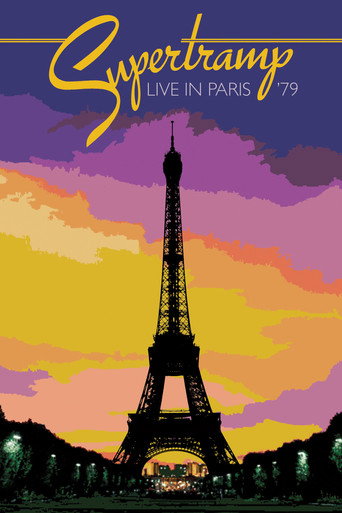
Supertramp : Live in Paris '79
Supertramp’s “Breakfast In America” was the biggest selling album in the world in 1979. It spawned several hit singles and went on to win two Grammy Awards and sell in excess of 20 million copies. Following the album’s release Supertramp embarked on a 10 month world tour which arrived in Paris at the end of November. This show from the Pavillon de Paris was both filmed and recorded. The audio went on to form the basis of the 1980 live album “Paris” but the film was never released. Now for the first time, transferred and restored to full HD from the original 16mm film, this footage is available to Supertramp’s legion of fans worldwide. The sound has been remixed by original sound engineer and co-producer Pete Henderson from the original multi-tracks and can now be heard in 5.1. This is a legendary show by a legendary band performing at their absolute peak and is a must for any Supertramp fan.
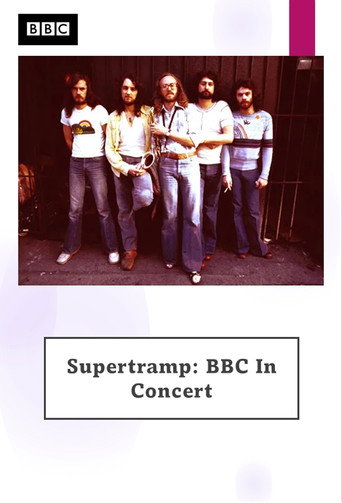
Supertramp - BBC in Concert
Over to London this weekend for a concert by 70′s legends Supertramp, recorded by the BBC as part of their Sight and Sound series on November 17, 1977. Forming in 1969, Supertramp quickly rose in popularity and established themselves as one of the most popular of the crossover Art-Rock/mainstream bands. They became a staple on FM and had a string of huge selling singles and albums. Their popularity began to fade in the 1980′s as musical tastes changed with Art-Rock falling out of favor with New Wave. The band eventually went on extended hiatus and reformed later with personnel changes. But there was a time in the mid-seventies where you couldn’t turn on a radio without hearing at least one, if not several Supertramp songs in one sitting; all of which you knew by heart.
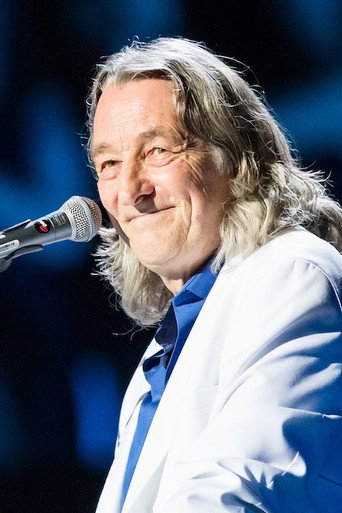
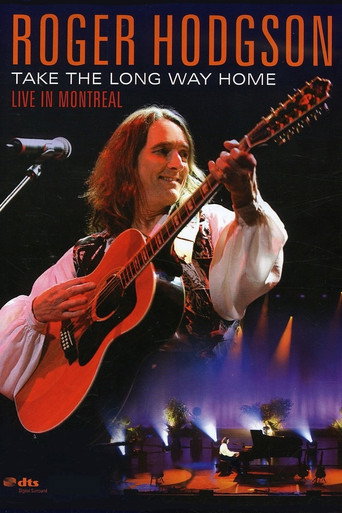
Roger Hodgson - Take the Long Way Home - Live in Montreal
1. Take The Long Way Home 2. Give A Little Bit 3. Lovers In The Wind 4. Hide In Your Shell 5. Oh Brother 6. The Logical Song 7. Easy Does It 8. Sister Moonshine 9. Love Is A Thousand Times 10. Breakfast In America 11. Don't Leave Me Now 12. Dreamer 13. It's Raining Again 14. School 15. Two Of Us 16. Give A Little Bit.
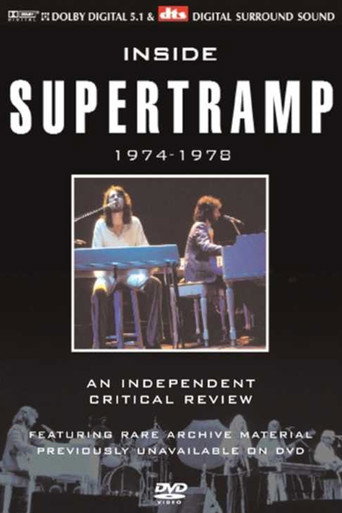
Inside Supertramp 1974-1978
Supertramp was one of the last major progressive-rock bands to enjoy an international commercial breakthrough; the band had cultivated a devoted following with their witty and intelligent music since their debut in 1970, but it was 1979's Breakfast in America album which made them a household name in America and Europe. Inside Supertramp 1974-1978 - A Critical Review features rare performance footage of the band along side a panel discussion in which musicians and music writers offer their insights on this especially fruitful period in the group's history
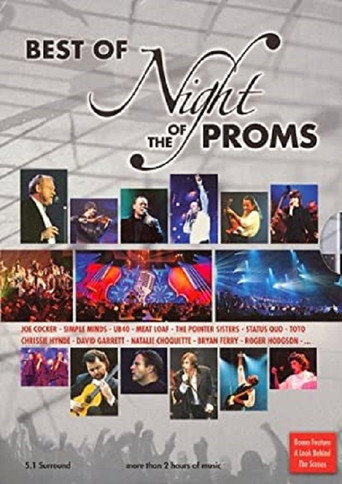
Best of Night of the Proms Vol. 1
Best of Night of the Proms 1 featuring John Miles, Joe Cocker, Simple Minds, Chrissie Hynde, Bryan ferry, UB40, Howard Jones, Toto, Rodger Hodgson, The Pointer Sisters, Status Quo, Meat Loaf
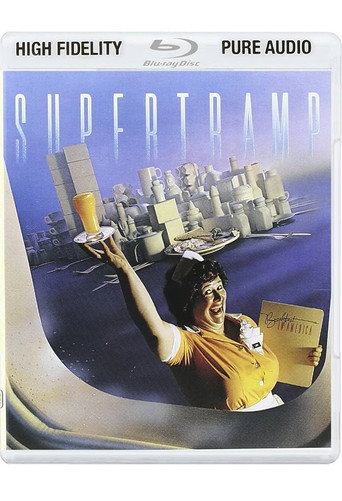
Supertramp: Breakfast in America
Breakfast in America is the sixth studio album by the British rock band Supertramp, released on 16 March 1979, by A&M Records. It was recorded from May to December 1978 at The Village Recorder in Los Angeles. It spawned three US Billboard Hot 100 hit singles: "The Logical Song" (No. 6), "Goodbye Stranger" (No. 15), and "Take the Long Way Home" (No. 10). In the UK, "The Logical Song" and the title track were both top 10 hits, the only two the group had in their native country. A&M offers a High Definition Blu-ray Disc of the album. It contains the album in three different sound formats: 2-Channel PCM 24bit/96 kHz, 2 Channel DTS-Master Audio 24bit/96 kHz and 2-Channel Dolby True-HD 24bit/96 kHz.
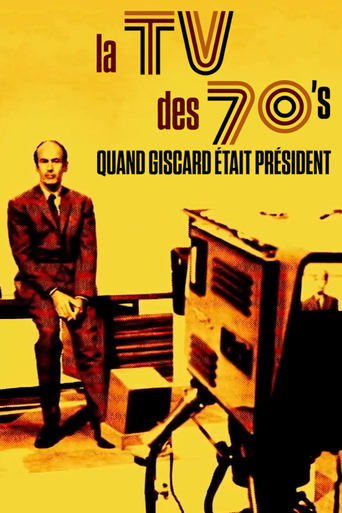
La TV des 70's : Quand Giscard était président
In May 1974, Valéry Giscard d'Estaing became President of the Republic and wanted to bring about a new era of modernity. One of his first decisions was to break up the ORTF with the creation of three new television channels: TF1, Antenne 2 and FR3. Three new public channels but autonomous and competing. It is a race for the audience which is engaged then, and from now on the channels will make the war! This competition will give birth to a real golden age for television programs, with variety shows in the forefront. The stars of the song are going to invade the living rooms of the French for their biggest pleasure. This unedited documentary tells the story of the metamorphosis of this television of the early 1970s, between freedom of tone, scandals, political intrigues and programs that have become mythical.
Extremes
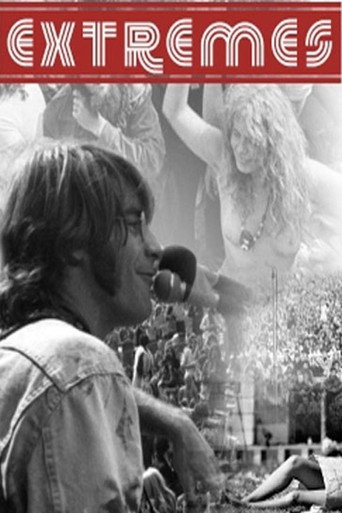
"EXTREMES" covers the whole gamut of present day human behaviour, from carefree pop fans bathing nude at the Isle of Wight to withdrawn, pathetic junkies hastening their own deaths with hard drugs. Such is the range encompassed by the so-called "permissive society", doubly significant because it usually involves young people who have either never known discipline or are rebelling against an overdose of it. They can't change society so they have no alternative but to drop out from it. In some of the most natural and remarkable film footage ever obtained, Tony Klinger and Michael Lytton have captured a unique cross-section of them going their chosen ways, and talking freely and frankly about doing so. Nothing was pre-arranged, nothing rehearsed: everything was filmed as it happened. Hippies, homosexuals, junkies, Hell's Angels, alcoholics, drop-outs - all fall into the category of nonconformist minorities.
Gallery