Rody Vera Movies, TV Shows, and Filmography
Rody Vera
Writing
Biography
No biography available.
Filmography Movies
Acting
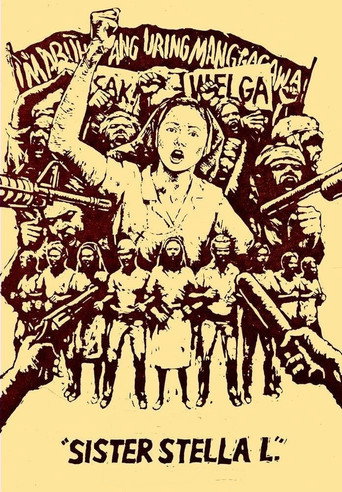
Sister Stella L.
A nun who acts as a counselor in a home for unwed mother undergoes political awakening when her friend and namesake belonging to the same congregation as hers inspires her to get involved in the struggle for justice and freedom of striking workers in a cooking oil company.
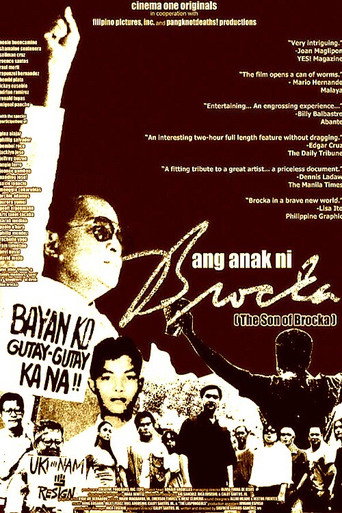
The Son of Brocka
It is about a group of investigative journalists from a sub-par TV station who accidentally scores a scoop that a 21-year-old boy is looking around for his identity… he claims to be the son of the late director Lino Brocka, a known gay filmmaker.
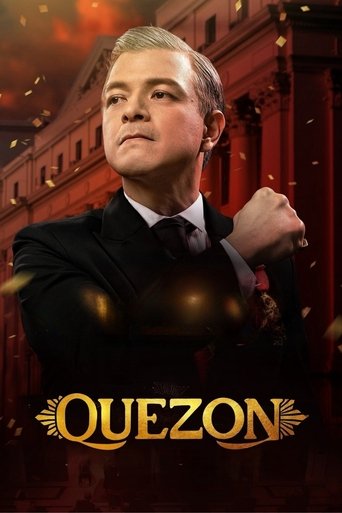
Quezon
A historical drama focusing on Manuel L. Quezon years after the Philippine Revolution during the American occupation. When his fight for independence from the United States is put to the test, Quezon finds himself playing the brutal game of politics to outmaneuver his rivals — including Leonard Wood, Sergio Osmeña, and Joven Hernando. In Quezon’s relentless quest for power, he ultimately faces off with Emilio Aguinaldo in the 1935 presidential elections, using charm and favoritism as both weapons and currency, in a campaign that ultimately changes the face of Philippine politics and history.
Production
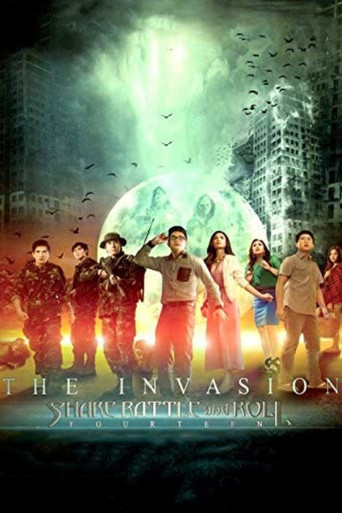
Shake, Rattle, and Roll Fourteen: The Invasion
The first part follows four cousins who gathered together to receive their own 5 million peso inheritance from their dead uncle, and the responsibility of taking care of his comic book creations. The second part follows an army special unit trying to survive from a horde of zombies. The third and last part follows a couple who became survivors when the aliens invaded Earth.
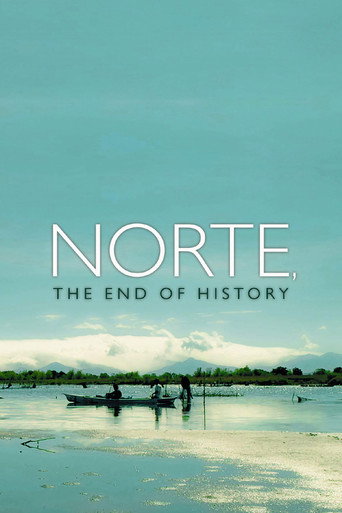
Norte, the End of History
An embittered law student commits a brutal double murder; a family man takes the fall and is forced to take a harsh sentence; and a mother and her two children wander the countryside in search of some kind of redemption.

Badil
A political thriller about the practice of "badil" or "dynamite fishing", wherein voters are prevented from casting their votes for the opposition by paying them large sums of money to get their fingers inked before election day.
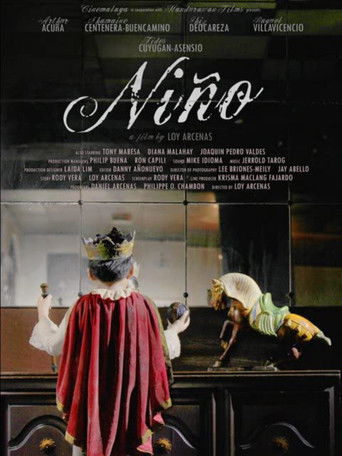
Niño
The once illustrious Lopez-Aranda family has faded. Celia, once the darling of Philippine opera, and Gaspar, a distinguished ex-congressman, lacked the shrewdness to maintain their once elegant status. Saddled with a failed marriage, a vanishing career and mounting debt, Celia sold her share of their house to Gaspar, now bedridden. She managed to stay for free in exchange for being Gaspar’s caregiver. Gaspar loves listening to Celia’s arias. This idyllic arrangement is shattered when he slips into a coma. His daughter, Raquel, comes home from the US, determined to sell the house to salvage her own economic woes abroad. This signals Celia’s impending homelessness. With only a few heirlooms to sell, she is at her wits’ end. A fervent believer of the Sto. Nino, she hopes for a miracle. She dresses up her grandson, Antony, in Sto. Nino robes to prepare him for the coming fiesta.
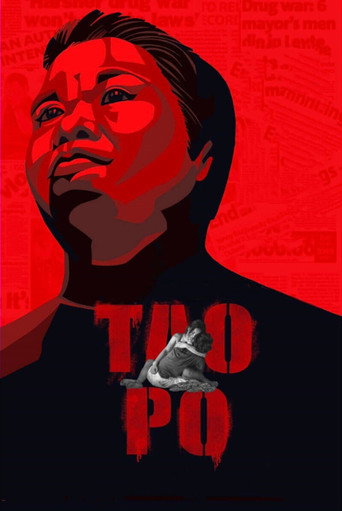
Tao Po
From several immersion trips and in-depth interviews conducted by performance artist-activist Mae Paner and playwright Maynard Manansala emerge four characters, four monologues that each give a human face to the issue of extrajudicial killings (EJK). A photojournalist transformed by the brutality he witnesses while covering the tokhang beat; a Zumba instructor haunted by her husband and son, both victims of summary killings; a cop who lives the double life of law enforcer and lawless hitman; and a young girl lighting candles in the “Tokhang Wall” of a Manila cemetery as she reminisces about acquaintances and loved ones, EJK victims all.
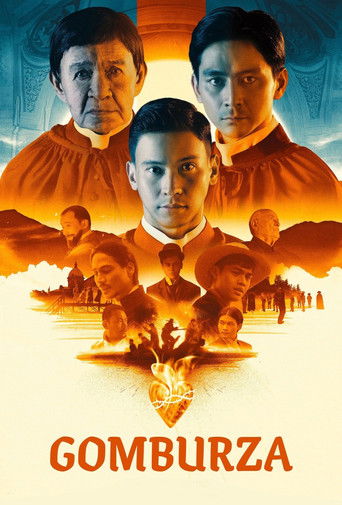
GomBurZa
A powerful and moving historical drama that tells the courageous story of three Filipino Catholic priests: Mariano Gomez, José Burgos, and Jacinto Zamora.
Silup
Silup is “Pulis” (police) spelled backwards. We peek into the life of a Manila cop whose day is made up of dealing with denizens and the crimes they commit. At work, he may be all tough and stern, but at home, we see his more sensitive side. He has this mysterious routine of taking out a can of sterilized milk from a cupboard and depositing his revolver in its place. Later on, it is revealed why he makes the switch and how it is like to live by his duty as a policeman to serve and protect.
Silup
Silup is “Pulis” (police) spelled backwards. We peek into the life of a Manila cop whose day is made up of dealing with denizens and the crimes they commit. At work, he may be all tough and stern, but at home, we see his more sensitive side. He has this mysterious routine of taking out a can of sterilized milk from a cupboard and depositing his revolver in its place. Later on, it is revealed why he makes the switch and how it is like to live by his duty as a policeman to serve and protect.

Mga Pusang Gala
Hopeless romantics and best friends Boyet and Martha cope with difficult relationships with their respective partners. As Boyet tries to tame his confusing boyfriend, Dom, who sometimes says he's straight, Martha deals with the frustrations of her long-standing relationship with Steve.
The Voice
Boses (Voices) is the story of a musician named Ariel who offers violin lessons to a child of the slums. Through the violin, the abused child Onyok is able to get back his voice from a mute, desensitized existence. A violin teacher and his student, a mute 7-year old abused child in a shelter, develop a friendship stemming from their love of music. Ariel discovers the immense talent of Onyok hiding behind a veneer of silence and pain caused by an unhappy and cruel father. In the developing relationship of teacher and student, both characters reveal more of themselves that otherwise may have remained unspoken. They discover each other's strengths and failures through the violin lessons.
Gallery