Rodrigo Moreno Movies, TV Shows, and Filmography
Rodrigo Moreno
Directing
Biography
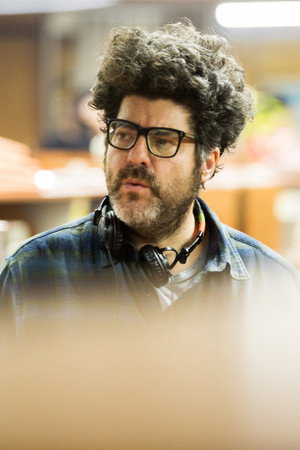
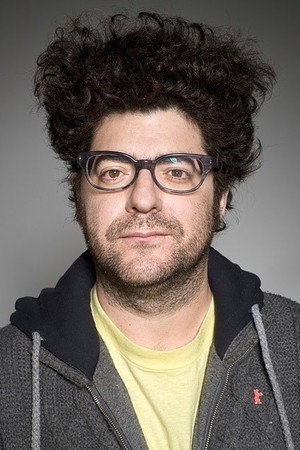
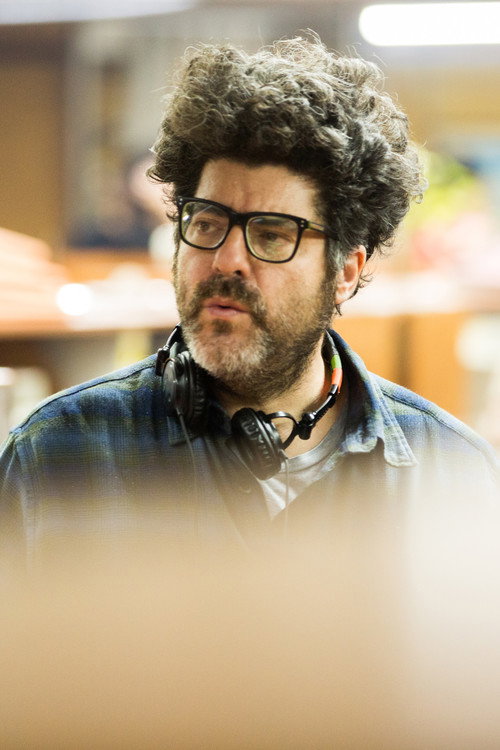
Rodrigo Moreno (born October 1972; Buenos Aires) is an Argentine filmmaker. He works mainly in the cinema of Argentina. According to Joel Poblete, who writes for Mabuse, a cinema magazine, Rodrigo Moreno is one of the members of the so-called "New Argentina Cinema" which began c. 1998. Moreno studied cinema and graduated from the directing program at the Universidad del Cine, Buenos Aires, Argentina, where he has been teaching directing and screenplay writing since 1996. Many of his films have been critically hailed at various international film festivals. In 1993, he wrote and directed his first short film, Nosotros, which won best film at the Bilbao International Festival of Documentary and Short Films. His 2006 film, his first film feature he directs alone, is The Minder (Spanish: El Custodio). His 2011 film A Mysterious World premiered In Competition at the 61st Berlin International Film Festival and was nominated for the Golden Bear.
Filmography Movies
Production
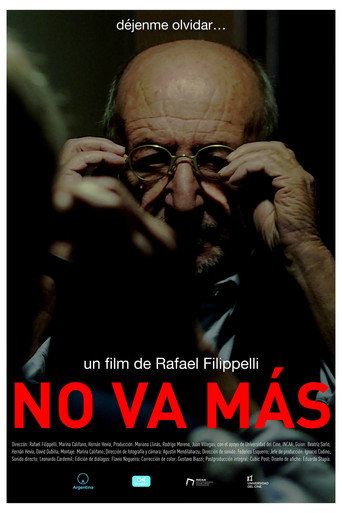
No va más
Isolated in his apartment, old and forgotten by almost everyone —whom, in turn, he has also forgotten— Rafael occupies the hours of his daily life with various rituals and repetitions.
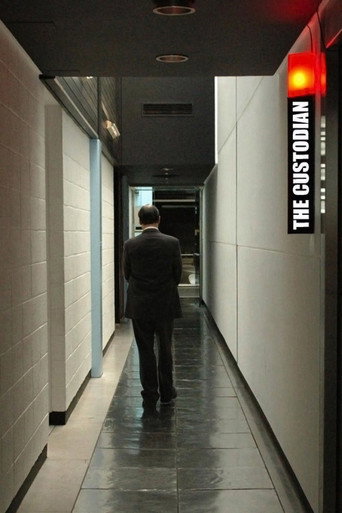
The Custodian
Living the mundane existence of a professional bodyguard, always in the shadows of his clients, Ruben decides to make a change that will finally give him a personal connection outside of his solitary world.
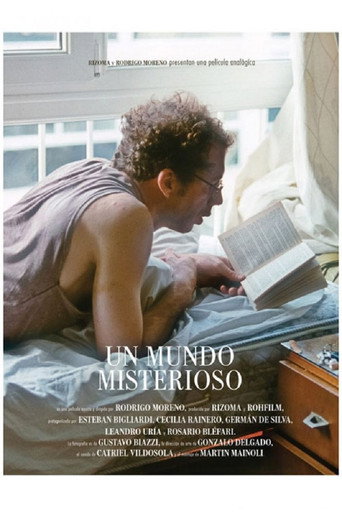
A Mysterious World
Boris is stunned when his girlfriend Ana asks for some time apart. He doesn't know why and she can't explain it. Some time can mean so many things. How much time apart? A week, a month, years? During this imprecise period of uncertainty, Boris is left at the mercy of chance. His life transforms into an erratic urban journey: moving into a transient hotel, buying a temperamental communist-era car, meeting up with a long-lost classmate, random encounters with other women and repeatedly trying to get back together with Ana.
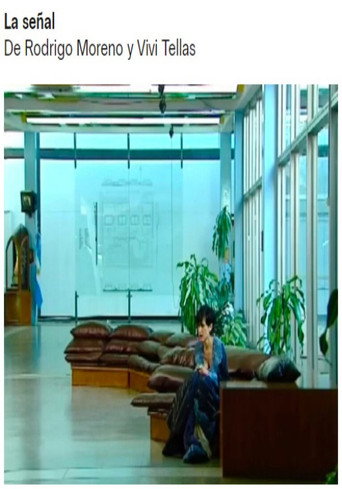
The Signal
An actress goes to Canal Siete's studios to act on a TV version of Chéjov's "The Seagull". As the leading actor doesn't appear, an assistant must take his place.
The Signal
An actress goes to Canal Siete's studios to act on a TV version of Chéjov's "The Seagull". As the leading actor doesn't appear, an assistant must take his place.
The Uncertain Hope
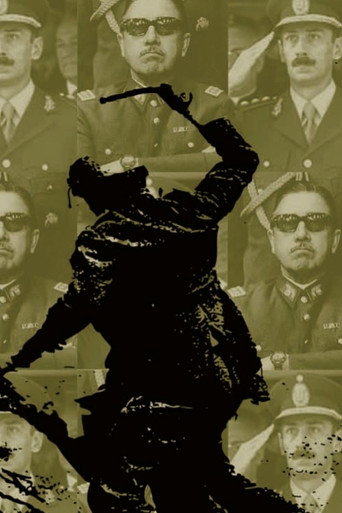
This documentary was shot in four countries in the Southern Cone of South America over a two-week period. It examines the democracies that re-emerged after military rule and we hear the testimony of presidents Carlos Menem, Fernando Henrique Cardoso, Patricio Alwyn and Luis Alberto Lacalle, and the reflections of many other key figures of that time. There is also an early discussion of the regional integration process that these countries were planning to promote, so we are shown a representative mosaic of each country, which makes this material truly unique.
Video Booth
Plot that shows the routine life of a young man who to break his schemes decides to go to live for a while on the beach, but once he has found satisfaction, he dies on his motorcycle.
Video Booth
Plot that shows the routine life of a young man who to break his schemes decides to go to live for a while on the beach, but once he has found satisfaction, he dies on his motorcycle.
Reimon
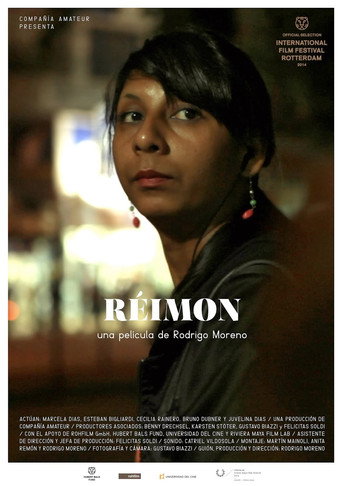
This film is a political and poetic portrait of the daily life of a low class woman who plays the part of a cleaning lady. Ramona lives in the suburbs of Buenos Aires. Every day she travels four hours and a half to reach her job and to get back home. She divides her working time between two upper middle-class homes where she receives the name of Réimon, a sound that evokes the English language, a Buenos Aires upper class snobbish custom. It´s fiction and it´s not. It´s also a film about the labour conditions of a worker, about the time this worker uses for working and the efforts that implies working. It´s also about the absurdity of cleaning someone else´s house, the absurdity of modern life and the differences between social classes.
Gallery