Editing
No biography available.
In September 2007 Júlio Bressane goes to Ferrara. In the cemetery of the Italian city he ends up making two movies.
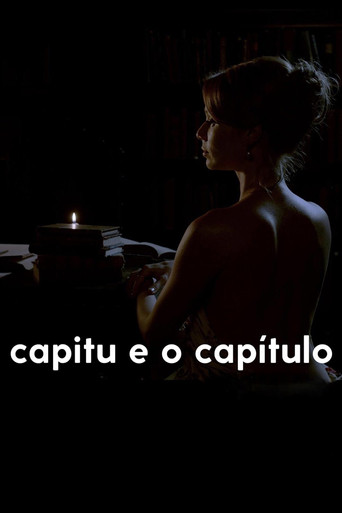
“If you had to choose between me and your mother, who would it be?” Capitu asks provocatively of her problematic lover. Elsewhere, they dance to inaudible music with their friends, each couple keeping to a rhythm of their own. At times, this depiction of the memories we see one Dom Casmurro commit to paper with a flamboyant pen seems to be an interplay of conflicting emotions – particularly when jealousy raises its head. Adapted from the Brazilian classic novel 'Dom Casmurro' (1899) by Machado de Assis as an ironic/philosophical essay on poetry and jealousy, and featuring fragments of Bressane’s previous works.
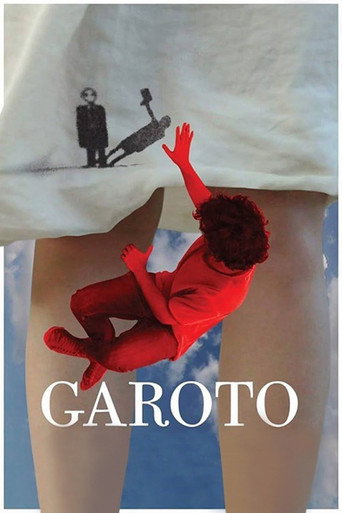
Inspired by Jorge Luis Borges’ The Disinterested Killer Bill Harrigan, Garoto follows a young couple who find themselves in an enchanted place where they experience an amorous and spiritual adventure.
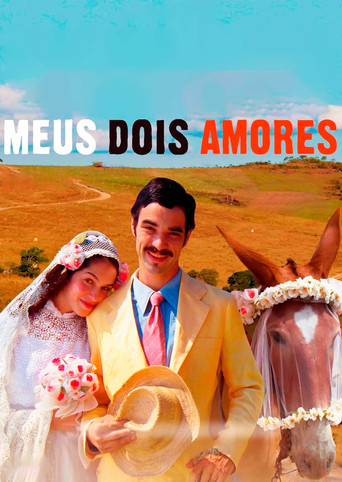
Manuel is a crafty cowboy and swindler who lives to serve his two great loves – his fiancée Das Dô, and his mule Beija-fulô – and his business of selling unsound horses to suckers. The killer Targino arrives in town looking for a horse. Thinking that he is being clever, Manuel sells a sick horse to the assassin. Targino swears that he is going to kill Manuel, and dishonor Das Dô’s reputation after he’s dead. Under pressure, Manuel calls on the magic of Toniquinho das Pedras to protect his body. However, the witchdoctor demands the mule Beija-fulô as payment. Manuel, sees himself in the dilemma between having to choose between his fiancée Das Dô, and the mule, Beija-fulô.
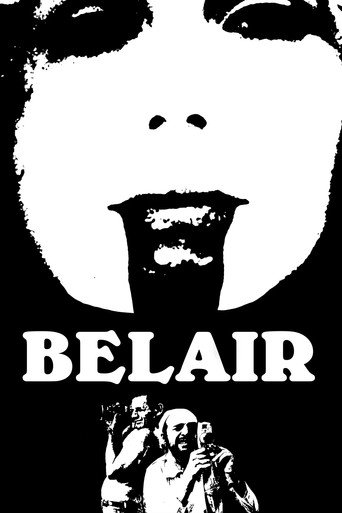
Between February an May of 1970, Julio Bresane and Rogerio Sganzerla made 7 films for their company Belair that were forbidden by the Brazilian censorship that reveal today images of an unique freedom.
A curious couple, whose existence takes place where art arises along a singular metaphysical desire. They search for it through repeated and varied representations, in a setting of light where hope and desperation blend together.
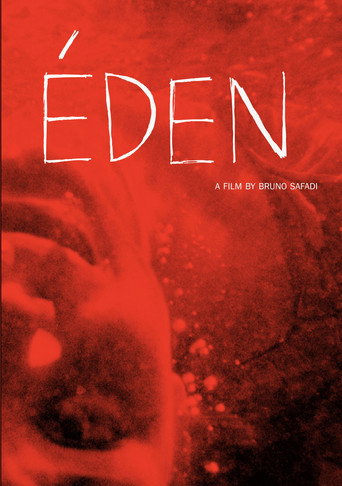
Rio de Janeiro, 2012. 30 year-old Karine, 8 months pregnant, loses her husband in a senseless murder. She and her brother almost die, but are saved by Pastor Naldo, an evangelical pastor from the Church of Eden. Karine carries within her the conflict of salvation via the church or via the birth of her child.
Meu Nome é Dindi shows the movement of time over a young woman who owns a small marketplace near bankruptcy and fights for survival.
Sequence plans in full freedom of investigation of bodies, of their shadows, means and desires. It is the extension of the movement and the apprehension of the light on the frame. The end is loud. A visit to Brazil's visual past. About exploring these images (or ideas) to the fullest to innovate language. Swallowing the old and, from there, creating the new. It reminds us a little of what marginal cinema was like.