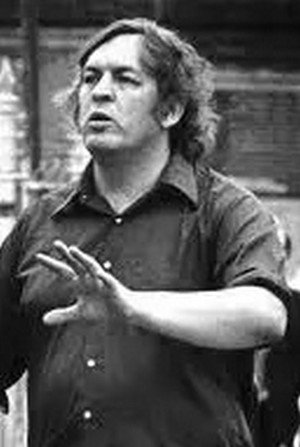
Robin Spry Movies, TV Shows, and Filmography
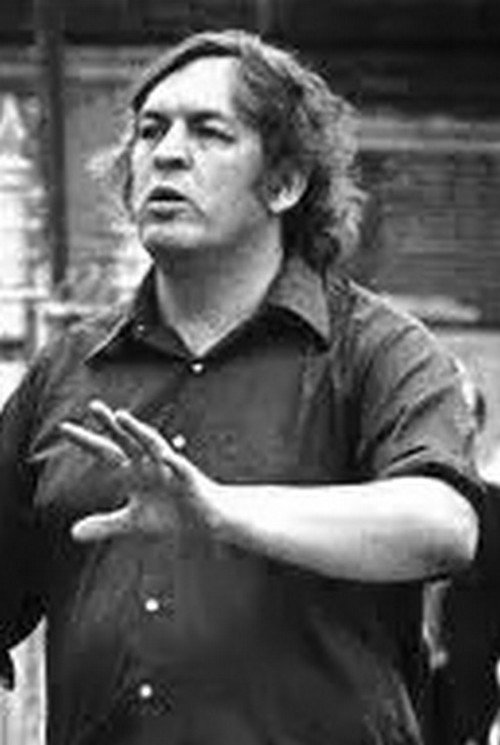
Robin Spry
Directing
Biography
Robin Spry (October 25, 1939 – March 28, 2005) was a Canadian film director and television producer and screenwriter. Spry was perhaps best known for his documentary films Action: The October Crisis of 1970 and Reaction: A Portrait of a Society in Crisis about Quebec's October Crisis. Robin Spry was born in Toronto, Ontario to Canadian broadcast pioneer Graham Spry and economic historian Irene Spry. After studies at Oxford University and the London School of Economics, Spry began his filmmaking career in 1964 at the National Film Board in Montreal, earning a place on its payroll in 1965 and remaining there until stepping down in 1978. While at the NFB Spry built a reputation as a documentarist engaged with the issues of the day, with films on abortion, youth rebellion, and contemporary politics. His Prologue documented the riots at the 1968 Democratic National Convention in Chicago, weaving narrative with archival footage to become, in 1969, the first Canadian film to appear at the Venice Film Festival. His Canadian Film Award-winning documentary Action: The October Crisis of 1970 (1973) used a similar approach to tell the story of the kidnapping of British diplomat James Richard Cross and the murder of Pierre Laporte. Spry also tried his hand at other aspects of the film trade, acting as a producer, filmmaker, screenwriter, actor, cinematographer and film editor, and appearing in several colleagues' films, including Denys Arcand's Québec, Duplessis et après" (1972), reading out sections of the 1837 Durham Report. Spry starred in the 1981 hostage film Kings and Desperate Men. In the mid-1970s Spry left the NFB to focus on production work, founding Telescene and then, upon its bankruptcy in 2000, continuing to work with other production firms in Montreal. Among the films he produced were Léa Pool's À corps perdu (1988), André Forcier's Une histoire inventée (1990), and John Hamilton's The Myth of the Male Orgasm (1993); he was also responsible for a number of television series, such as The Lost World. Other notable works included the 1995 mini-series, Hiroshima, about the events leading up to the atomic bombings of Hiroshima and Nagasaki, which won a Canadian Gemini Award and was nominated for an American Emmy, as well as earlier films One Man (1977), Drying Up the Streets (1978), and Suzanne (1980). Spry died in an early-morning road accident on March 28, 2005 in Montreal, Quebec, leaving behind a son, Jeremy, and a daughter, Zoé, whom he had fathered by journalist Carmel Dumas (from whom he was divorced at the time of his death). The first season of Charlie Jade was dedicated to his memory, as mentioned in the credits of the final episode, as was Air Crash Investigation's episode "Mistaken Identity". Source: Article "Robin Spry" from Wikipedia in English, licensed under CC-BY-SA 3.0.
Filmography Movies
Acting
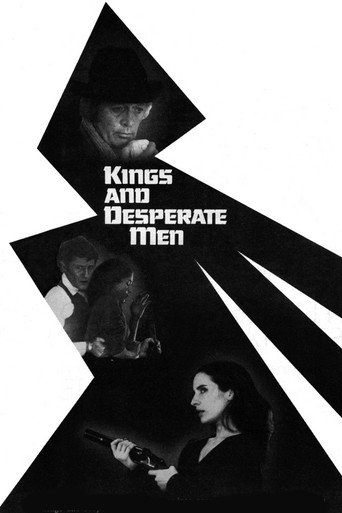
Kings and Desperate Men
A group of terrorists take a radio disk jockey and his wife and child hostage in order to get their manifesto out to the world.
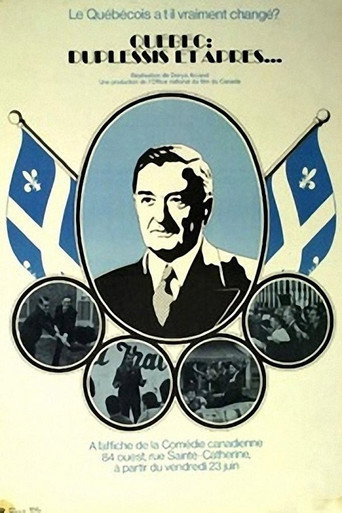
Quebec: Duplessis and After...
This film establishes a parallel between the 1970 electoral campaign in Québec and the 1936 campaign dominated by Maurice Duplessis. It shows the hope but also the uncertainty that existed in 1970. Had the Quiet Revolution really changed things in Québec? Was it possible that a new leader would emerge on the political scene? (NFB.ca)
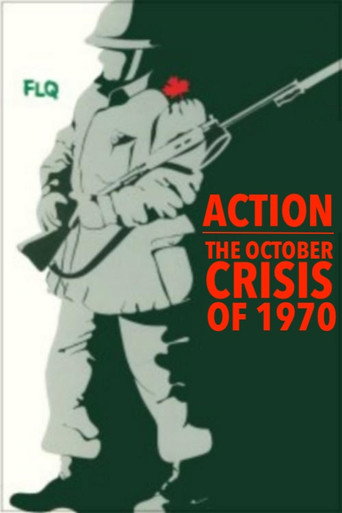
Action : The October Crisis of 1970
A long and thoughtful look at those desperate days of October 1970, when Montréal awaited the outcome of FLQ terrorist acts. This film puts the October Crisis in the long perspective of history. Compiled from news and other films, it shows independence movements past and present, and their leaders; it reflects the mingled relief, dismay, defiance, when the Canadian army came to Montréal; and it shows how political leaders viewed the intervention.
Production
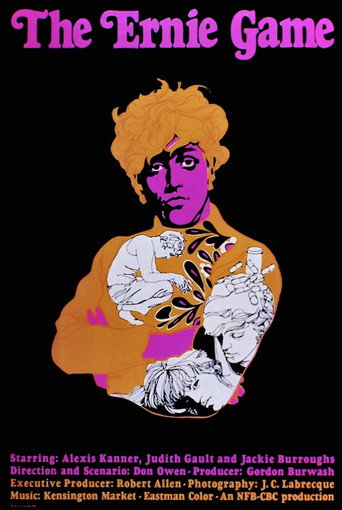
The Ernie Game
This fictional feature follows a twenty-something man who is struggling to define his position in the world in early adulthood. He has left their parents' home but still has not made an home of his own. Our protagonist’s alienation is palpable; for him life is a game, not because he chooses to make it so, but because he is unable to make anything more of it. But for those who befriend him and eventually turn him loose again, his game is not enough.
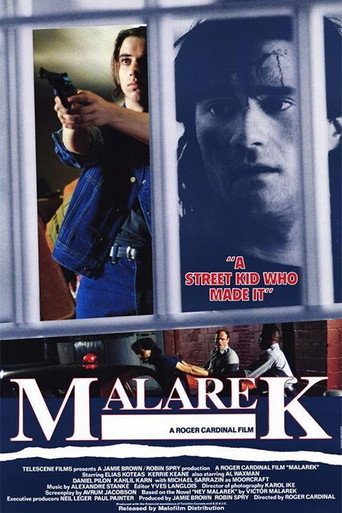
Malarek
Malarek is a film directed by Roger Cardinal in 1989. Ex-juvenile offender Victor Malarek catches a break when he's hired as a cub reporter for the Montreal Star. After witnessing a cop murder a street kid, Malarek dedicates himself to exposing corruption in the social welfare system.
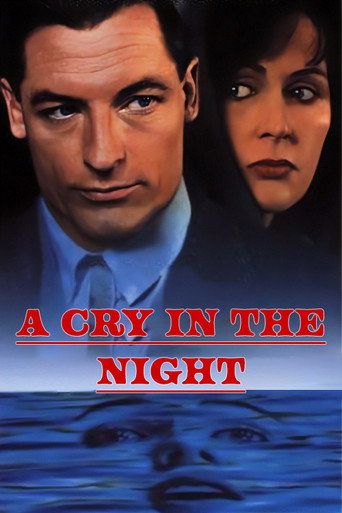
A Cry in the Night
A divorced mother suspects that she and her two children may be in danger because of her insanely jealous new husband
A Cry in the Night
A divorced mother suspects that she and her two children may be in danger because of her insanely jealous new husband
Action : The October Crisis of 1970
A long and thoughtful look at those desperate days of October 1970, when Montréal awaited the outcome of FLQ terrorist acts. This film puts the October Crisis in the long perspective of history. Compiled from news and other films, it shows independence movements past and present, and their leaders; it reflects the mingled relief, dismay, defiance, when the Canadian army came to Montréal; and it shows how political leaders viewed the intervention.
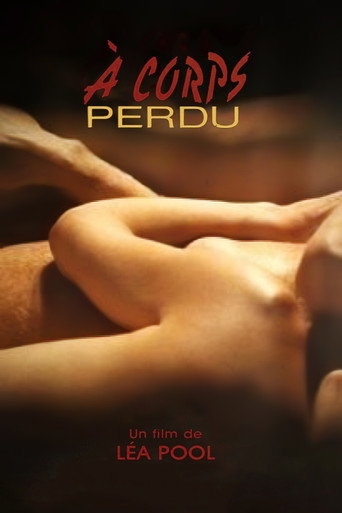
Straight for the Heart
Pierre is a Montreal photojournalist who returns from Nicaragua to find that his ten-year menage a trois is over. Haunted by his mid-life crisis, he becomes obsessed with trying to find out why his two lovers, Sarah and David, have left him.
A Cry in the Night
A divorced mother suspects that she and her two children may be in danger because of her insanely jealous new husband
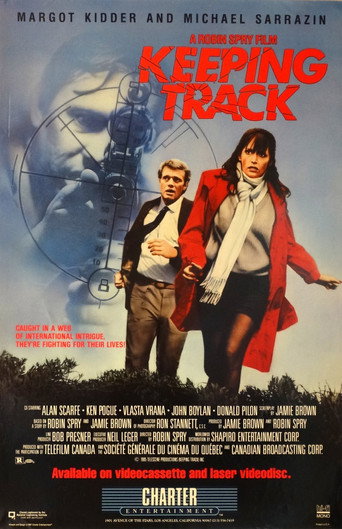
Keeping Track
The CIA, KGB and RCMP are after a lady banker (Kidder) who has a piece of mutated microchip that engages directly with brain cells.
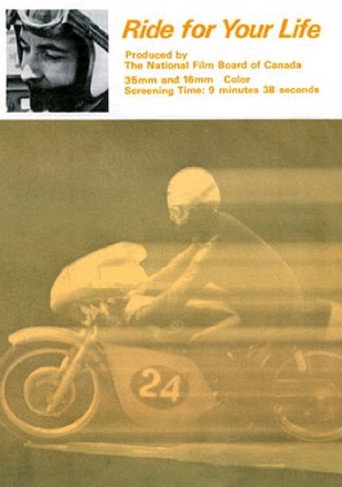
Ride for Your Life
This short documentary is about Mike Duff, a Canadian motorcycle racer, and the sport that almost killed him. After a near-fatal crash in Japan and extensive surgery and therapy, Duff returned to racing to claim two victories in Canadian races. Though the sport takes its toll on the lives of his friends and fellow competitors annually, the racer explains he can’t give up just yet – not before winning a world championship.
Action : The October Crisis of 1970
A long and thoughtful look at those desperate days of October 1970, when Montréal awaited the outcome of FLQ terrorist acts. This film puts the October Crisis in the long perspective of history. Compiled from news and other films, it shows independence movements past and present, and their leaders; it reflects the mingled relief, dismay, defiance, when the Canadian army came to Montréal; and it shows how political leaders viewed the intervention.
Gallery