Acting
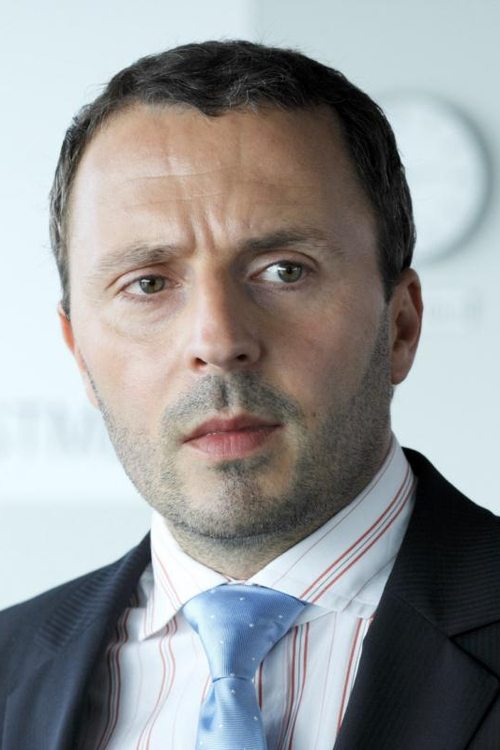
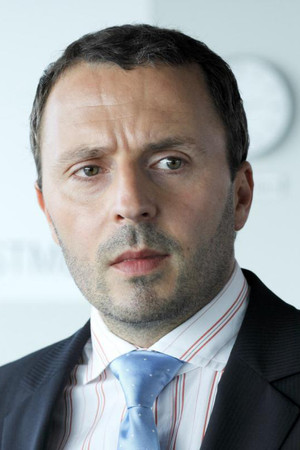
Robert Schupp is a German Actor.
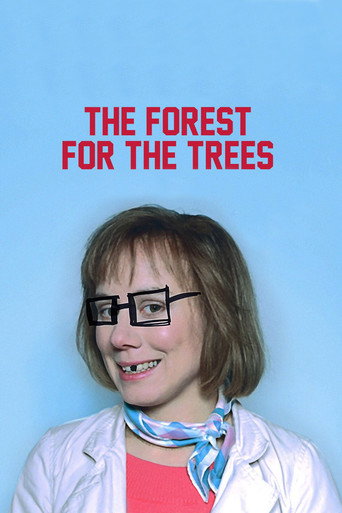
As an awkward idealistic high school teacher begins her first job in the city, things turn out to be much tougher than she had imagined.
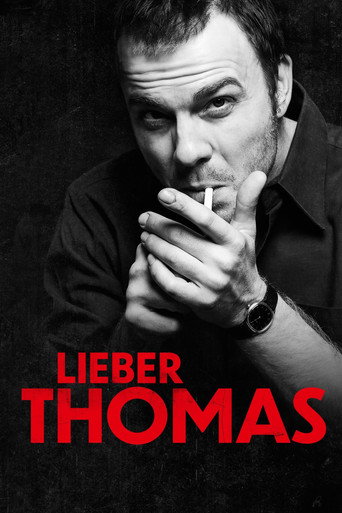
Thomas Brasch was born as a German-Jewish emigrant in England in order to move to the young GDR with his family at the beginning of the 1950s. His father Horst is primarily interested in helping to build the new German state. But Thomas prefers to realize himself as a writer and in doing so discovers his potential as a poetic rebel. His very first play was banned and soon afterwards he lost his place at the film school. When the tanks of the Soviet Union roll through the Czech capital Prague in 1968, Brasch and his girlfriend Sanda and other students try to call for protest in the streets of Berlin - and fail. His own father betrays him to the Stasi and allows Thomas to go to prison. After being paroled, he continues to try his hand at poet writing about love, revolt and death. In the GDR, however, you don't want to have anything to do with someone like him.
Julian is a psychiatric patient and wants to walk from Berlin to southern Germany. He believes that through the power of walking he can heal his friend's father, who has died of a heart condition. First, he runs into Ju, a young doctor, who he soon meets again by chance. She feels unhappy, searches for her heart and spontaneously joins the likeable dreamer on his way to Tuttlingen, where the sick man lives. In a tourist resort, they are joined by a frustrated wife and mother.
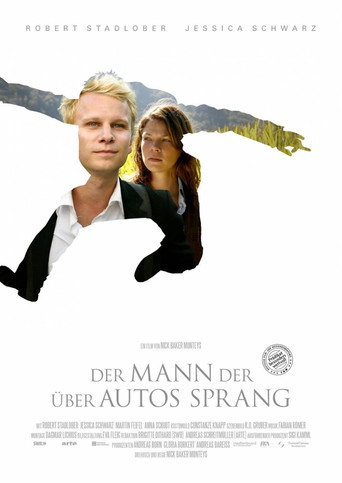
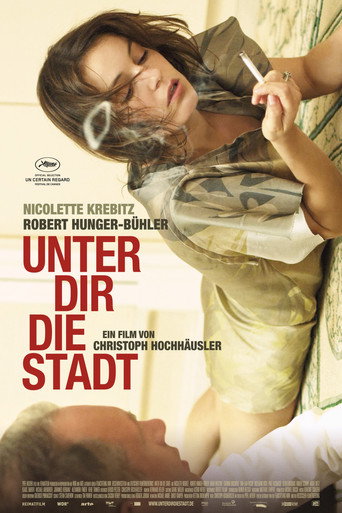
A man and a woman at an art exhibition share a fleeting moment of attraction, which neither can act upon. Days later, a chance second meeting leads to an innocent coffee and the two strangers – both married - toy with their unexplainable fascination for each other. Svenja is curious and finds herself in a hotel room with Roland, but she does not consummate an affair. A powerful executive at the large bank where Svenja's husband works, Roland is used to getting what he wants. He manipulates the transfer of her husband to Indonesia to replace a recently murdered bank manager. Unaware of Roland’s actions, Svenja now ceases to resist...
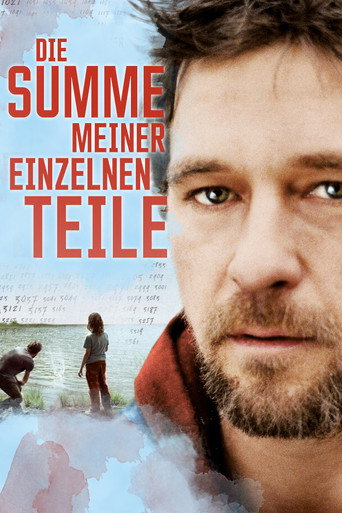
Two misfit males, one man-child, one boy, find each other, building a small cabin in the woods to create a new life. Their daily struggle for survival creates a strong bond between them until the hut is destroyed and one of the boys carted off. The former psychiatric patient is told that his friend was just a figment of his imagination, but this provokes him to fight back and prove the boy's existence.
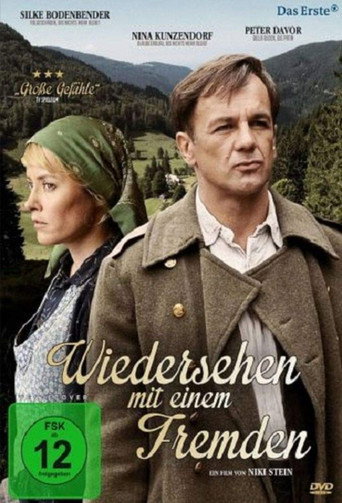
A Black Forest village in the 1950s. Liesbeth Steiner refuses to give up hope that her husband Max has survived the war and Russian captivity. She waits for every homecoming train, but to no avail. Liesbeth and her young son Josef found refuge on her parents-in-law's farm. It never became a home, as Max never told his family about his war marriage. His sister Margarete, who keeps the farm running, suspects that Liesbeth is an heiress. When Max is finally included in a late repatriation transport in 1955, Liesbeth hopes that different times are dawning. But Max has changed a lot over the years.
After a failed relationship, Alexandra Fuchs does not want to meet men anymore. But when she meets her new job in a shy businessman Gregor, she can't escape to his charm. It also has a creative hobby that eventually takes off with a knife indefinite durability for fresh food. A patent lawyer, Fiona, a former classmate should help. But Fiona plays a double game, invents his own and also has its eye on Gregor.
After years of going their separate ways, a small group of aging hippies reconvenes in their backwater hometown to bury one of their own.
A body is found in a canal on the Danish border. The woman was murdered in the same way as three before her. Special investigator Gloria Acheampong is sent to the province to take on the case.