Robert Morin Movies, TV Shows, and Filmography
Robert Morin
Directing
Biography
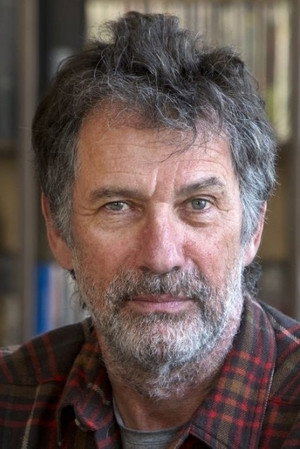
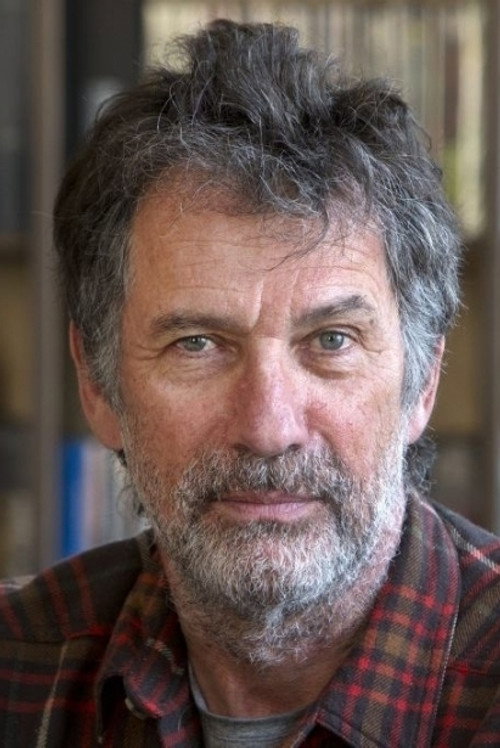
Robert Morin is known for his very personal, dark, and pessimistic "interior views" of family, crime, law enforcement, and human suffering. He studied Literature and Communications and in 1971 began to work as a cameraman, joining ORTQ in Rimouski, where he directed films and videos. In 1977, with a group of friends and colleagues, Morin founded La Coopérative de Production Vidéo de Montréal where he continues to produce his own work. After creating close to 30 short films with his colleagues over 10 years, he directed his first feature length film Tristesse modèle réduit in 1987. His film Requiem pour un beau sans-coeur was nominated for the Genie Awards for Best Motion Picture and Best Director. Morin continues to create films that are honored with awards from all around the world.
Filmography Movies
Acting
Yes Sir! Madame...
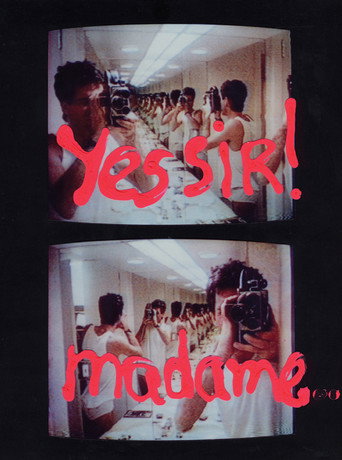
The son of a French-speaking father and an English-speaking mother, Earl Tremblay is in the throes of an identity crisis. In an attempt to resolve it, he examines his past, his present and even his future through the lens of a camera. While screening the 19 rolls of film he's shot, he comments on his social ascent and unwittingly reveals his dual personality. Known by its working title, Double Face, Yes Sir! Madame... is the result of work carried out over several years.
The Morin's Method
On September 11, 2004, filmmaker Robert Morin shot Que Dieu bénisse l'Amérique, set on September 11, 2001. For artistic reasons, he decided to shoot the feature in a single day. Philippe Falardeau witnessed this tumultuous day, which ended tragically. At the same time, filmmaker Louis Bélanger criticizes Robert Morin's working methods.
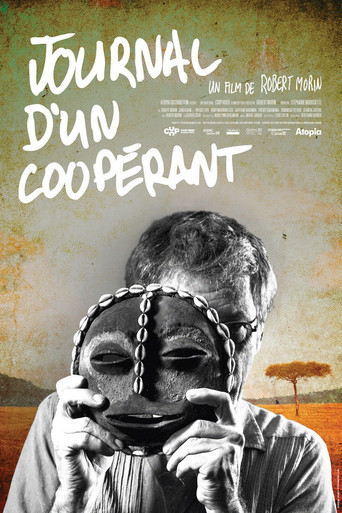
The Diary of a Volunteer
Jean-Marc Phaneuf, an unmarried electrical engineer, travels to Burundi as a volunteer for the NGO Radio du Monde. He finds a country ruined by grinding poverty, famine, war, disease and appalling social inequality. At the same time, he meets a joyful, brave people hungry for happiness, knowledge and human dignity. The camera that becomes his personal diary also helps Jean-Marc expose the shaky, ineffective workings of NGOs. His investigations turn up a few praiseworthy examples of international cooperation, but on the whole he finds himself drawn to a terrible, inescapable conclusion: humanitarian aid is a utopian mirage. After falling victim to an attack and losing whatever ideals he still had, Jean-Marc becomes entangled in an impossible relationship. He is ultimately forced to leave Africa in disgrace.
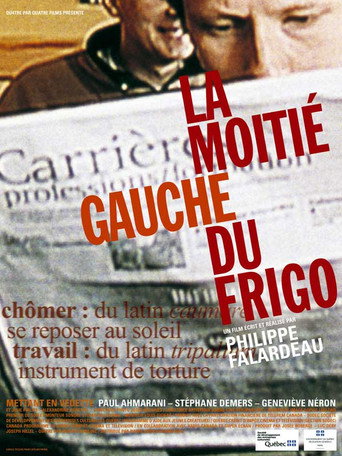
The Left-Hand Side of the Fridge
Christophe agrees to be filmed by his roommate Stéphane, while he is searching for a meaningful engineering job. Since he voluntarily resigned his job when he was to be moved to quality control, he does not get unemployment benefits, and goes to classes on how to contest the decision.
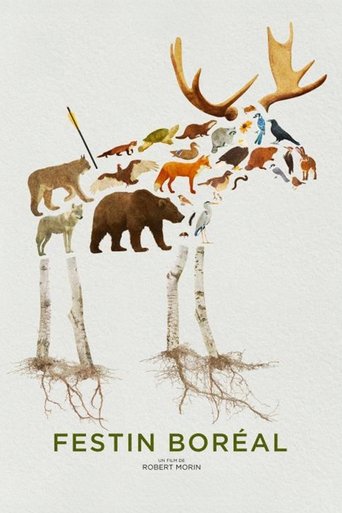
Wild Feast
A wounded moose escapes its hunters, later dying deep in the forest and becoming... a communal feast. As the seasons go by, mammals, birds and insects invite themselves to the banquet - multiplying ensuing games, rituals and conflicts. In exploring and occasionally foiling nature's wildlife codes, our story becomes a simple yet poignant reflection on death, on its natural place in this world and, by extension, on its deeper meaning and purpose - important lessons to explore at this time when the glorious paradises offered by religions tend to feel less and less credible.
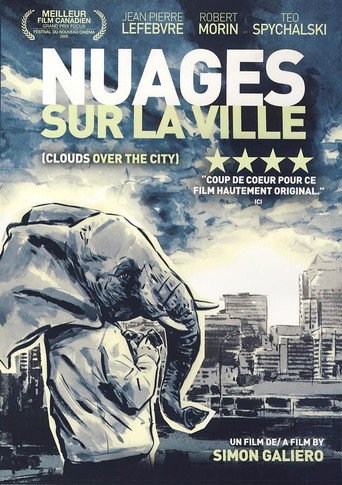
Clouds Over the City
Jean-Paul is a public servant, tired of toiling at his soul-destroying job. As a writer, he feels out of touch with the times and longs for inspiration.
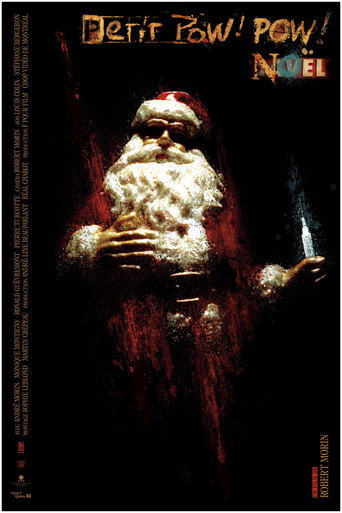
Yule Croak
A man visits his elderly handicapped father on Christmas Eve with the intention of putting him on trial for crimes against his family and then executing him.
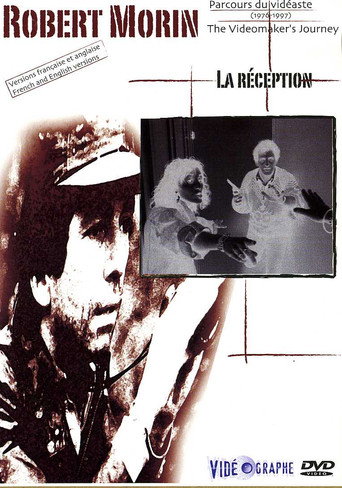
The Reception
The Reception takes place in an isolated mansion on an island, but the host is mysteriously absent. A storm traps everyone inside, and the atmosphere turns sour when it is revealed, by way of a video, that each of the guests has a criminal past. A death ensues, and then another... the mansion quickly turns into a jail. Inspired by Agatha Christie's Ten Little Indians.
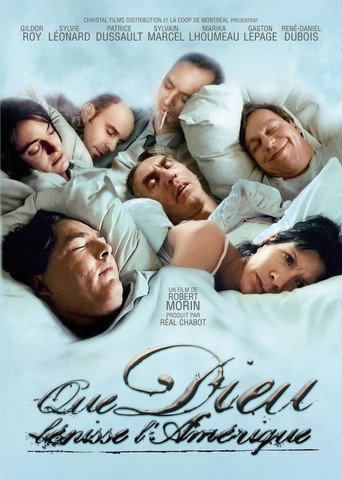
May God Bless America
On the morning of Sept. 11, 2001, six people become suspicious about a stranger in their neighborhood.
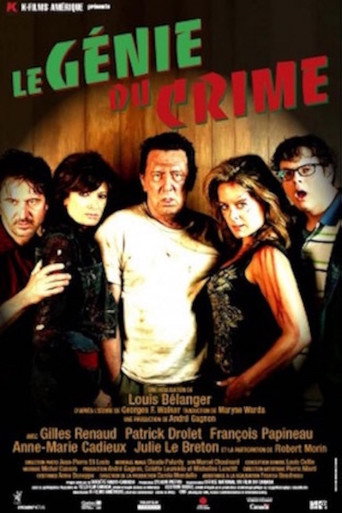
Le génie du crime
Two gangsters had a mission to start a case of arson, but instead they kidnapped the daughter of crazy mafia boss.
Production
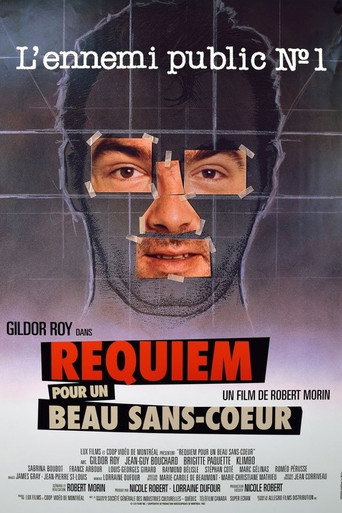
Requiem for a Handsome Bastard
Despite the fact that he is completely unrepentant about his crimes, when Regis Savoie's son asks to visit him, prison authorities grant permission for the boy to come. The thief and murderer (Gildor Roy) takes advantage of the moment of his son's arrival to steal a gun and take flight. He settles some old scores, gets together with his girlfriend, and heads for the hills, pursued by a detective who is not to be swayed in his efforts to follow and recapture him.
Requiem for a Handsome Bastard
Despite the fact that he is completely unrepentant about his crimes, when Regis Savoie's son asks to visit him, prison authorities grant permission for the boy to come. The thief and murderer (Gildor Roy) takes advantage of the moment of his son's arrival to steal a gun and take flight. He settles some old scores, gets together with his girlfriend, and heads for the hills, pursued by a detective who is not to be swayed in his efforts to follow and recapture him.
Yes Sir! Madame...
The son of a French-speaking father and an English-speaking mother, Earl Tremblay is in the throes of an identity crisis. In an attempt to resolve it, he examines his past, his present and even his future through the lens of a camera. While screening the 19 rolls of film he's shot, he comments on his social ascent and unwittingly reveals his dual personality. Known by its working title, Double Face, Yes Sir! Madame... is the result of work carried out over several years.
Yes Sir! Madame...
The son of a French-speaking father and an English-speaking mother, Earl Tremblay is in the throes of an identity crisis. In an attempt to resolve it, he examines his past, his present and even his future through the lens of a camera. While screening the 19 rolls of film he's shot, he comments on his social ascent and unwittingly reveals his dual personality. Known by its working title, Double Face, Yes Sir! Madame... is the result of work carried out over several years.
The Diary of a Volunteer
Jean-Marc Phaneuf, an unmarried electrical engineer, travels to Burundi as a volunteer for the NGO Radio du Monde. He finds a country ruined by grinding poverty, famine, war, disease and appalling social inequality. At the same time, he meets a joyful, brave people hungry for happiness, knowledge and human dignity. The camera that becomes his personal diary also helps Jean-Marc expose the shaky, ineffective workings of NGOs. His investigations turn up a few praiseworthy examples of international cooperation, but on the whole he finds himself drawn to a terrible, inescapable conclusion: humanitarian aid is a utopian mirage. After falling victim to an attack and losing whatever ideals he still had, Jean-Marc becomes entangled in an impossible relationship. He is ultimately forced to leave Africa in disgrace.
The Diary of a Volunteer
Jean-Marc Phaneuf, an unmarried electrical engineer, travels to Burundi as a volunteer for the NGO Radio du Monde. He finds a country ruined by grinding poverty, famine, war, disease and appalling social inequality. At the same time, he meets a joyful, brave people hungry for happiness, knowledge and human dignity. The camera that becomes his personal diary also helps Jean-Marc expose the shaky, ineffective workings of NGOs. His investigations turn up a few praiseworthy examples of international cooperation, but on the whole he finds himself drawn to a terrible, inescapable conclusion: humanitarian aid is a utopian mirage. After falling victim to an attack and losing whatever ideals he still had, Jean-Marc becomes entangled in an impossible relationship. He is ultimately forced to leave Africa in disgrace.
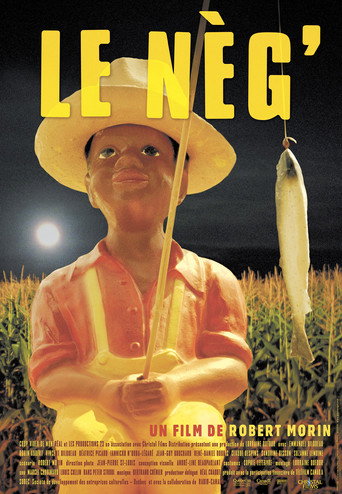
Le nèg'
In the middle of the night, in the Québec countryside, all hell breaks loose as a black teenager is caught smashing a racially denigrating lawn ornament. Together the neighbours attend to justice against the vandal. Thorough the night there is mounting racism, fueled by alcohol, and violence. Le Nèg' opens the morning after when the police investigators arrive at the scene to take depositions.
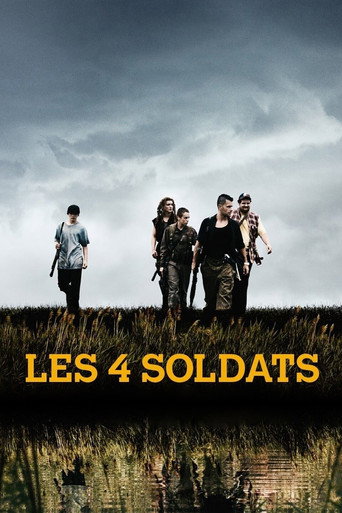
The 4 Soldiers
A climate of civil war, a fight that has made them lose everything including their youth, four soldiers aged 13 to 20 years, will meet and build friendships. In the grip of an adult conflict, which they do not understand, Matéo, Dominique, Big Max and Kevin will keep recreating, round a pond and a cabin, a family.
The 4 Soldiers
A climate of civil war, a fight that has made them lose everything including their youth, four soldiers aged 13 to 20 years, will meet and build friendships. In the grip of an adult conflict, which they do not understand, Matéo, Dominique, Big Max and Kevin will keep recreating, round a pond and a cabin, a family.
May God Bless America
On the morning of Sept. 11, 2001, six people become suspicious about a stranger in their neighborhood.
Gallery