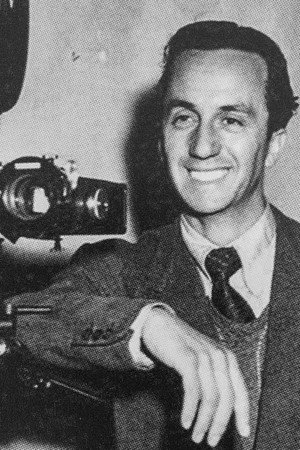
Robert Krasker Movies, TV Shows, and Filmography
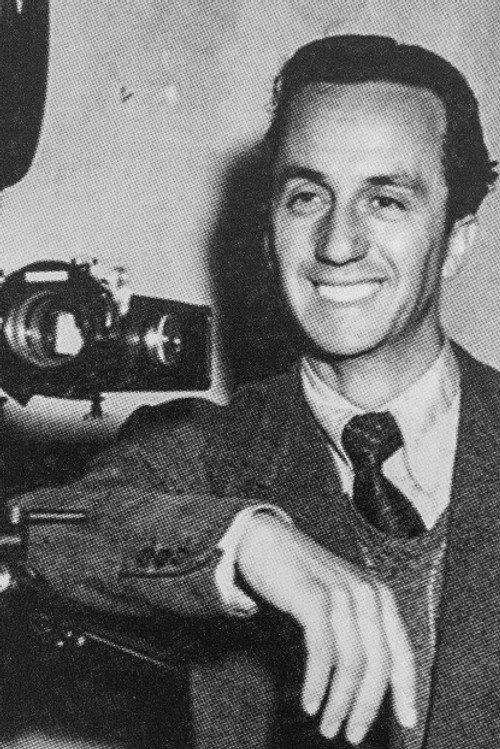
Robert Krasker
Camera
Biography
Robert Krasker, BSC was a cinematographer and feature film Director of Photography who worked on more than sixty films in his career. He was born in Alexandria, Egypt during a business trip by his parents Mathilde and Leon Krasker from Western Australia to Europe and back and his birth was registered in Perth, Western Australia after their return. The Krasker family lived and operated their pearl trading business out of Denham in Shark Bay and Subiaco in Perth. After Leon died in an accident in Shark Bay, Mathilde had to consider the children's educational needs so moved the family back to Paris where she and Leon had been educated as refugees from eastern Europe. Krasker completed his secondary schooling in Paris then studied art there in 1929 before enrolling in Professor Robert Luther's celebrated photograph course at the Photohändler Schule of the Technische Hochschule, later Technische Universität, in Dresden. He credited his education there for his fast start in the film industry at Les Studios Paramount in Joinville-le-Pont in the south-east of Paris and rapid ascension as the youngest Director of Photography of his era. Krasker moved to England from Paris in 1931 and worked there in that year on his last film as camera assistant to Philip Tannura, Service for Ladies, produced and directed by Alexander Korda. Korda invited him to work at Korda's London Films, where he was apprenticed to French Director of Photography Georges Périnal , becoming a senior camera operator then a Director of Photography in his own right. To say that Krasker's work was "strongly influenced by film noir and German Expressionism" is an oversimplification. It elides his art and photography education in Paris and his apprenticeship to Georges Périnal working as his camera operator on a range of very different films including The Rise of Catherine the Great (1933), Things to Come (1935), Rembrandt (1936), I, Claudius (1937 but unreleased), The Drum (1937), The Four Feathers (1938), The Thief of Bagdad (1939) and more. Robert Krasker's most notable films as Director of Photography included Henry V (1944) for Laurence Olivier, Uncle Silas (1947), directed by Charles Frank and The Third Man (1949), for which he won an Oscar, and Odd Man Out (1947), both for director Carol Reed, as well as Brief Encounter (1945) for David Lean and Another Man's Poison (1951) for Irving Rapper, and more. Despite Krasker's brilliant and atmospheric work on Brief Encounter (1945), Lean sacked him from his next film, Great Expectations (1945), because he and producer Ronald Neame were unhappy with the handling of Krasker's much-celebrated marsh scenes at the beginning of the film. Robert Krasker's later films included Romeo and Juliet (1953) for Renato Castellani, Senso (1953) for Luchino Visconti and The Quiet American (1957) for Joseph L. Mankiewicz and The Criminal (1960) for Joseph Losey as well as the widescreen black and white drama Billy Budd (1961) for Peter Ustinov and the widescreen Technicolor epics Alexander the Great (1955) for Robert Rossen, Trapeze (1955) for Carol Reed, El Cid (1961) for Anthony Mann, The Fall of the Roman Empire (1963) for Anthony Mann and The Heroes of Telemark (1965) also for Anthony Mann.
Filmography Movies
Production
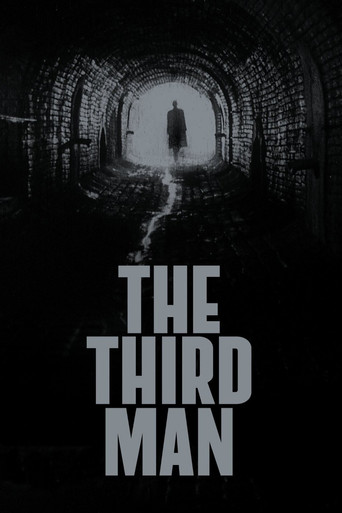
The Third Man
In postwar Vienna, Austria, Holly Martins, a writer of pulp Westerns, arrives penniless as a guest of his childhood chum Harry Lime, only to learn he has died. Martins develops a conspiracy theory after learning of a "third man" present at the time of Harry's death, running into interference from British officer Major Calloway, and falling head-over-heels for Harry's grief-stricken lover, Anna.
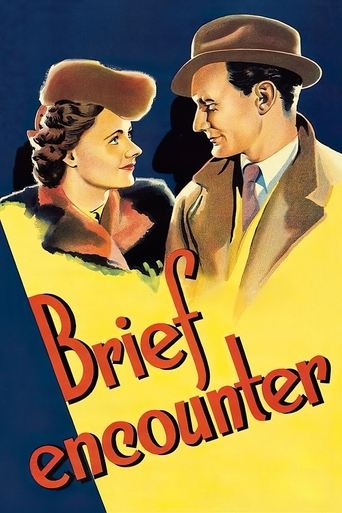
Brief Encounter
Returning home from a shopping trip to a nearby town, bored suburban housewife Laura Jesson is thrown by happenstance into an acquaintance with virtuous doctor Alec Harvey. Their casual friendship soon develops during their weekly visits into something more emotionally fulfilling than either expected, and they must wrestle with the potential havoc their deepening relationship would have on their lives and the lives of those they love.
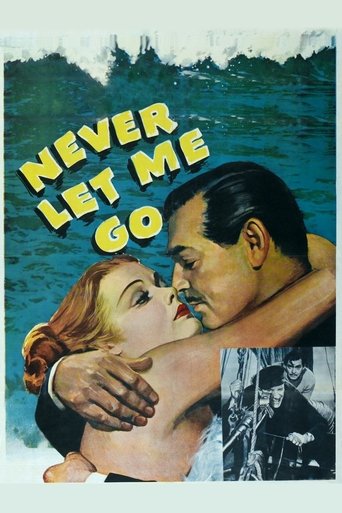
Never Let Me Go
An American reporter falls in love with a Russian ballet dancer.
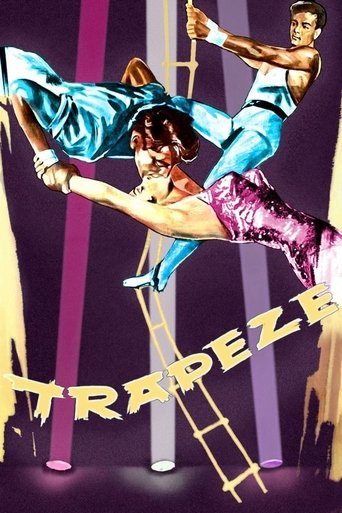
Trapeze
A pair of men try to perform the dangerous "triple" in their trapeze act. Problems arise when the duo is made into a trio following the addition of a sexy female performer.
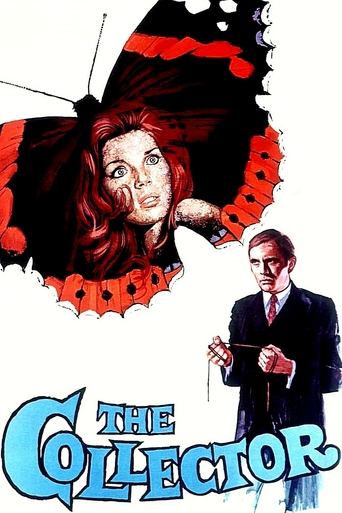
The Collector
A man kidnaps a woman and holds her hostage just for the pleasure of having her there.
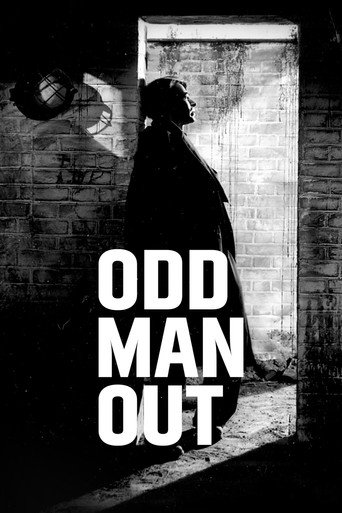
Odd Man Out
Belfast police conduct a door-to-door manhunt for an IRA gunman wounded in a daring robbery.
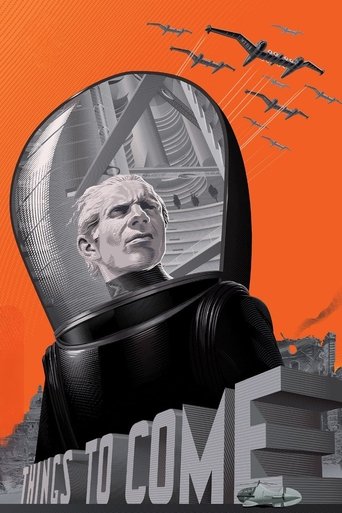
Things to Come
The story of a century: a decades-long second World War leaves plague and anarchy, then a rational state rebuilds civilization and attempts space travel.
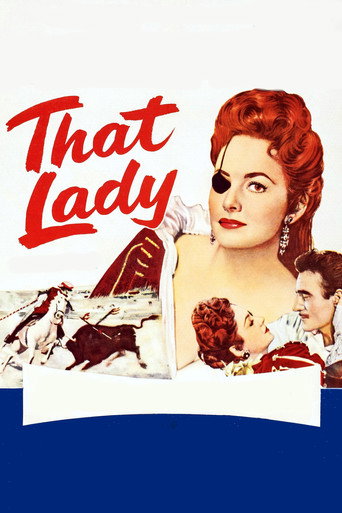
That Lady
In 1570, widowed Princess Ana de Mendoza becomes the love object of a deadly rivalry between her cousin Don Inigo, King Philip II of Spain and his secretary of state Antonio Perez.
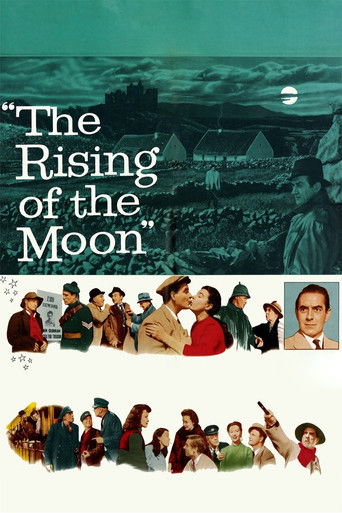
The Rising of the Moon
Three vignettes of old Irish country life, based on a series of short stories. In "The Majesty of the Law," a police officer must arrest an old-fashioned, traditional fellow for assault. The man's principles have the policeman and the whole village, including the man he slugged, sympathizing with him. "One Minute's Wait" is about a little train station and glimpses into the lives of the passengers, with a series of comic setups. The third piece, "1921," is about a condemned Irish nationalist and his daring escape.
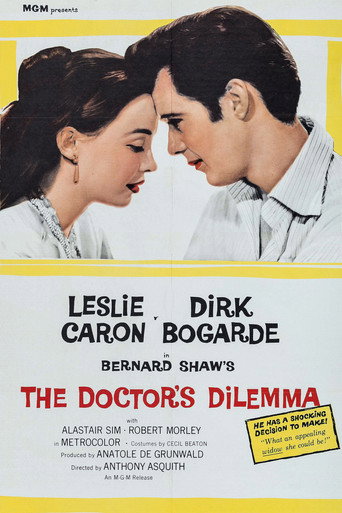
The Doctor's Dilemma
Four doctors face a serious dilemma when the beautiful wife of a TB-stricken artist begs one of them to cure her brilliant, but amoral, husband.
Gallery