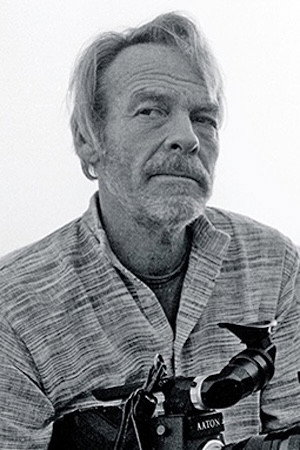
Robert Gardner Movies, TV Shows, and Filmography

Robert Gardner
Directing
Biography
Robert Gardner was the Director of the Film Study Center at Harvard University from 1957 to 1997. He is known for his work in the field of non-fiction film. He is an internationally renowned filmmaker and author whose works have entered the permanent canon of non-fiction filmmaking. Some of his most prominent films include Dead Birds (1964), a lyric account of the Dugum Dani, a Stone Age society at one time living an isolated existence in the Highlands of the former Netherlands New Guinea (Gardner was the leader of the Peabody Museum-sponsored expedition to study the Dani in 1961-62); Rivers of Sand (1974), a social commentary on the Hamar people of southwestern Ethiopia; and Forest of Bliss (1985), a cinematic essay on the ancient city of Benares, India, which explores the ceremonies, rituals, and industries associated with death and regeneration. Gardner’s films have received numerous awards, including the Robert J. Flaherty Award for best nonfiction film (twice); the Golden Lion for Best Film at the Florence Film Festival (three times); and First Prizes at the Trento, USA Dallas, Melbourne, Nuoro, EarthWatch, Athens, and San Francisco film festivals. His films have been invited to Festivals throughout the world including Jerusalem, Bergen, London, Munich, Toronto, Montreal, Margaret Mead, Marseilles, Locarno, Chicago and Cinema du Réel.
Filmography Movies
Acting

Flaherty and Film
Robert Gardner interviews Frances H. Flaherty about the production of The Fishermen of Aran.
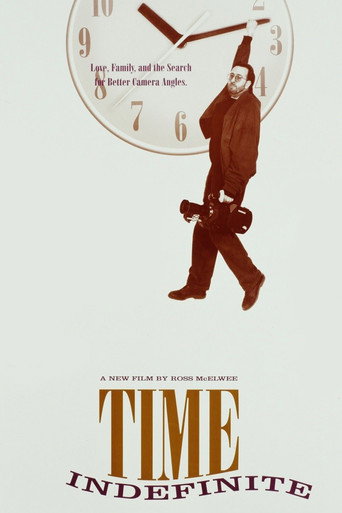
Time Indefinite
After documentarian Ross McElwee gets married, a series of misfortunes follow: his grandmother dies, his wife miscarries, and then his father dies less than a week later. Shaken by the sudden string of deaths, McElwee becomes depressed. After spending time with his friend and former high school poetry teacher, Charlene, he goes to meet his brother, a doctor. In a series of interviews, McElwee contemplates his morbid preoccupation with death and tries to figure out how to shake it off.
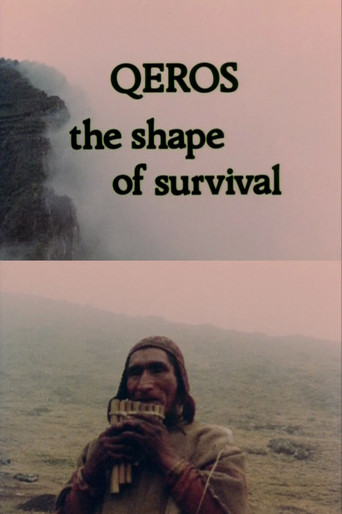
Q'eros: The Shape of Survival
Exploration of the way of life of the Q’eros Indians of Peru, who have lived in the Andes for more than 3,000 years.
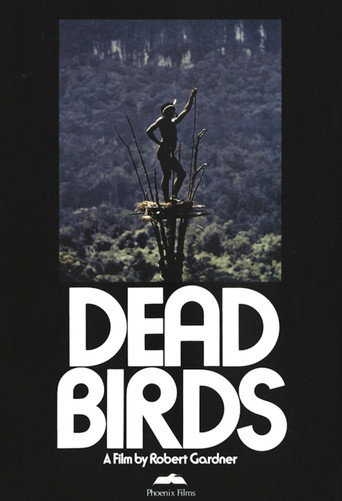
Dead Birds
An ethnographic documentary documenting the ritual warfare cycle, social life, and belief systems of the Dani people of the Baliem Valley in western New Guinea.
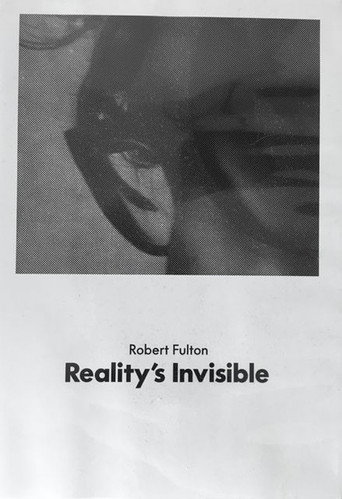
Reality's Invisible
Fulton made the film during his brief time at Harvard, where he had been invited to teach by Robert Gardner, his friend and collaborator (Fulton would later serve as a cinematographer on Gardner’s 1981 documentary Deep Hearts, among others). Reality’s Invisible could be described as a portrait of the Carpenter Center, yet it is a portrait of an extremely idiosyncratic and distinctive sort. Fulton moves us through the concrete space of the Center’s Le Corbusier-designed building—the only structure by the architect in North America—but, more centrally, presents us footage of students making and discussing their work alongside figures like Gardner, theorist Rudolf Arnheim, artist Stan Vanderbeek, filmmaker Stan Brakhage, and graphic designer Toshi Katayama.
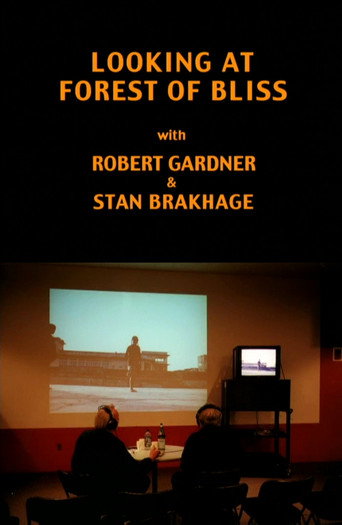
Looking at Forest of Bliss
Director Robert Gardner and legendary filmmaker Stan Brakhage share an in-depth viewing of Gardner's ethnographic masterwork, Forest of Bliss. The film is shown in its entirety, with Gardner occasionally pausing to elucidate, and Brakhage brilliantly observing tonality, poetic imagery, life, death, the unconscious, and, well, just being damned insightful. - dred

Fort Rupert
Kwakiutl, Kwakwaka'Wakw, potlatches. British Columbia tribe as a civilization in decline as assimilation has almost obliterated native culture. Fort Rupert, Britsh Columbia Canada
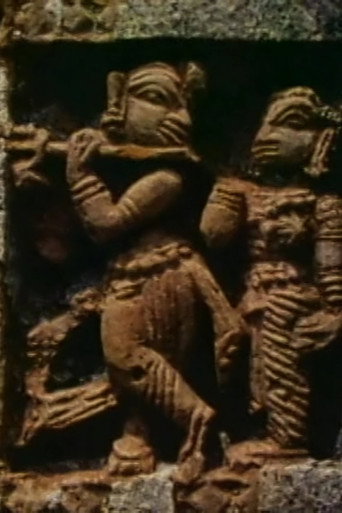
Loving Krishna
Loving Krishna is about the worship of Krishna and the meaning of devotion. It explores the rural and urban character of the town of Vishnapur in West Bengal by examining the royal past, everyday life, work in traditional arts and crafts, bazaar exchange, and sacred rituals and festivals. Public and private devotional life is represented by detailed visual narratives of the Chariot Journey of Krishna, celebrated by the whole town, and the Birthday Festival commemorated on a much smaller scale of intimate family worship.
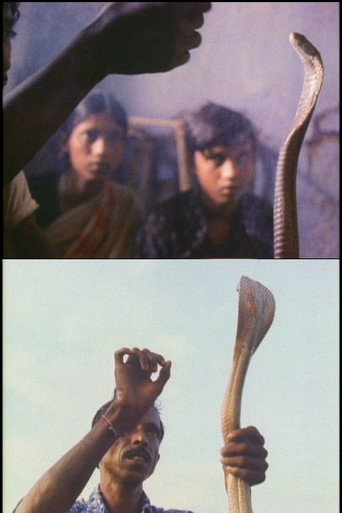
Serpent Mother
Serpent Mother is about devotion to the Goddess of Snakes and the importance of divine female power in West Bengal Indian life. The film's focus is the Jhapan Festival, the great celebration of snakes. Shown are festival preparations, the role of traditional arts and crafts in the worship of the Goddess, devotional singing, and an exposition of ritual action. The difficult and complex symbolism of the ritual is explained by the participants themselves. In addition to the commentary, this makes accessible what is, at first glance, exotic and inexplicable behavior.

Oh, What a Blow That Phantom Gave Me!
Several filmmakers discuss the introduction of Western modes of communication, especially film, to native cultures. While these tools can help a native people to document their own culture, it can also "swallow" their culture, encroaching upon and irreversibly altering it. The film takes its title from a book written by filmmaker Edmund Carpenter in 1972 about his engagement with media in Papua New Guinea.
Production
Altar of Fire
This film records a 12 day ritual performed by Mambudiri Brahmins in Kerala, southwest India, in April 1975. This event was possibly the last performance of the Agnicayana, a Vedic ritual of sacrifice dating back 3,000 years and probably the oldest surviving human ritual. Long considered extinct and never witnessed by outsiders, the ceremonies require the participation of seventeen priests, involve libations of Soma juice and oblations of other substances, all preceded by several months of preparation and rehearsals. They include the construction, from a thousand bricks, of a fire altar in the shape of a bird.
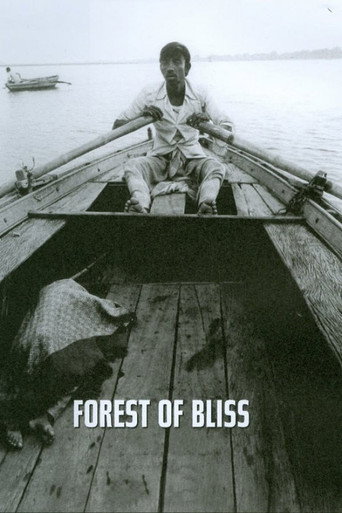
Forest of Bliss
Forest of Bliss is an unsparing yet redemptive account of the inevitable griefs, religious passions and frequent happinesses that punctuate daily life in Benares, India's most holy city. The film unfolds from one sunrise to the next without commentary, subtitles or dialogue. It is an attempt to give the viewer a wholly authentic, though greatly magnified and concentrated, sense of participation in the experiences examined by the film.
Dead Birds
An ethnographic documentary documenting the ritual warfare cycle, social life, and belief systems of the Dani people of the Baliem Valley in western New Guinea.
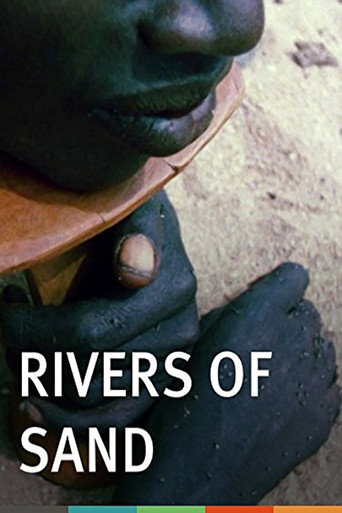
Rivers of Sand
The people portrayed in this film are called Hamar. They dwell in the thorny scrubland of southwestern Ethiopia, about one hundred miles north of Lake Rudolph, Africa's great inland sea. They are isolated by some distant choice that now limits their movement and defines their condition. At least until recently, it has resulted in their retaining a highly traditional way of life. Hamar women eagerly accept their ritual whipping when boys come of age. Part of that tradition was the open, even flamboyant, observance of male supremacy. In their isolation, they seemed to have refined this not uncommon principle of social organization into a remarkably pure state. Hamar men are masters and their women are slaves. The film tries to disclose the effect on mood and behavior of lives governed by the idea of sexual inequality.

Mark Tobey
This short documentary was made while the painter lived in Seattle, Washington, early in the 1950s. It is only the second film made by Robert Gardner and tries to show in cinematic language how this man looked at the world; Mark Tobey himself both performs and is observed. A unique film in the Gardner ouvre, the film not only presents an experimental portrait of Tobey but serves as a window into the American art, avant garde film and poetic movements of this period.
Deep Hearts
Deep Hearts is a film about the Bororo Fulani, a nomadic society located in central Niger Republic and the title is a reference to an important aspect of these people’s thought and demeanor.
Deep Hearts
Deep Hearts is a film about the Bororo Fulani, a nomadic society located in central Niger Republic and the title is a reference to an important aspect of these people’s thought and demeanor.

Marathon
Started as a class project in what was likely the first filmmaking course ever taught at Harvard, Marathon documents the running of the 1964 Boston Marathon.
Sons of Shiva
Sons of Shiva is a sustained attempt to film a four-day ceremony concerned with the worship of Shiva. Devotees of the God Shiva are shown from the initial taking of the Sacred Thread through gradually intensifying action to a culmination in a variety of ascetic and self denying practices.
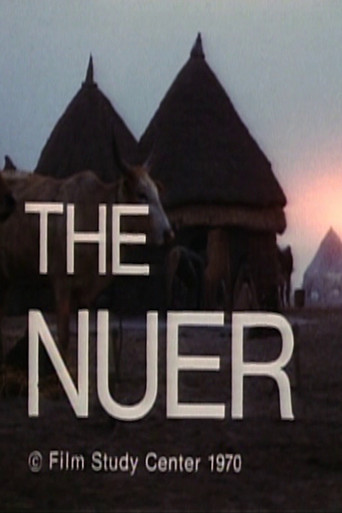
The Nuer
Portrays the Nuer, Nilotic herdsmen of the Nile basin. Shows how their daily lives revolve about their cattle, and depicts the psychological bonds between them. Includes extensive use of Nuer music and poetry.
Gallery