Robert Drew Movies, TV Shows, and Filmography
Robert Drew
Production
Biography
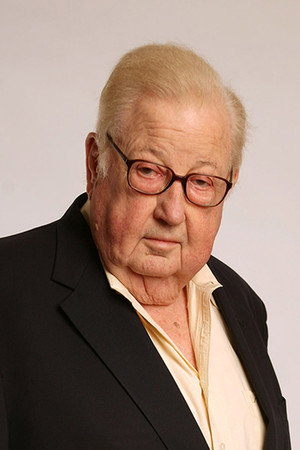
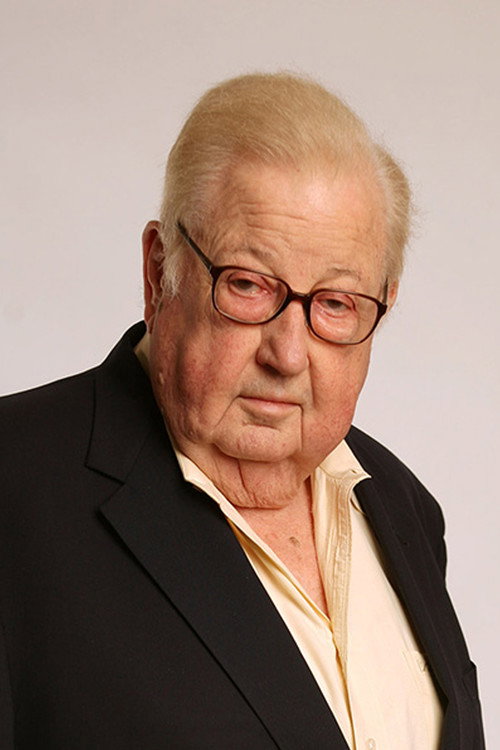
Robert Lincoln Drew was an American documentary filmmaker known as one of the pioneers—and sometimes called father—of cinéma vérité, or direct cinema, in the United States. Two of his films are archived in the National Film Registry of the Library of Congress. The moving image collection of Robert Drew is housed at the Academy Film Archive. The Academy Film Archive has preserved a number of his films, including "Faces of November," "Herself: Indira Gandhi," and "Bravo!/Kathy's Dance". His many awards include an International Documentary Association Career Achievement Award. Wikipedia · Text under CC-BY-SA license
Filmography Movies
Acting
Ricky on Leacock
A 38-year journey that the director began in 1972 as a young filmmaker and, shooting off and throughout many years, the director filmed many and various encounters between Ricky, his friends and contemporaries including Henri Langlois, Jean Rouch, Jean-Luc Godard, DA Pennebaker, Robert Drew, and others. Mixing her own footage with film clips and rare images from Leacock's personal film archives, this film pays homage to the director's mentor and, most importantly, allows him to tell us the story of his long film making career in his own words.
Primary
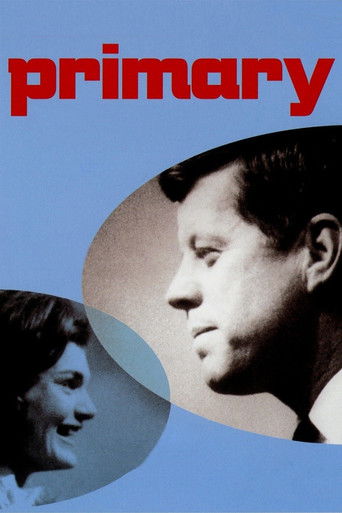
Primary is a documentary film about the primary elections between John F. Kennedy and Hubert Humphrey in 1960. Primary is the first documentary to use light equipment in order to follow their subjects in a more intimate filmmaking style. This unconventional way of filming created a new look for documentary films where the camera’s lens was right in the middle of what ever drama was occurring. Preserved by the Academy Film Archive in partnership with The Film Foundation in 1998.
Robert Drew & Associates at the Museum of Tolerance
In 1998, documentary filmmaker Robert Drew and his associates attend the Museum of Tolerance.
The Chair
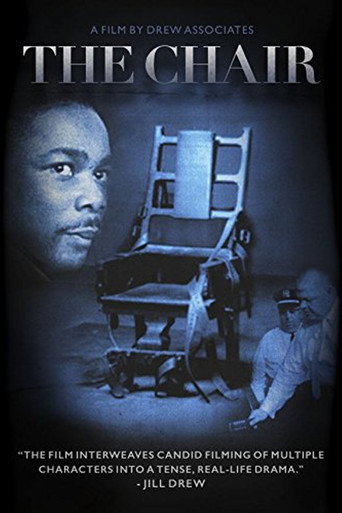
Follows a crusading lawyer as he embarks on a campaign to save an African-American man, Paul Crump, from the electric chair. Preserved by the Academy Film Archive in partnership with The Film Foundation in 2007.
Production
Primary
Primary is a documentary film about the primary elections between John F. Kennedy and Hubert Humphrey in 1960. Primary is the first documentary to use light equipment in order to follow their subjects in a more intimate filmmaking style. This unconventional way of filming created a new look for documentary films where the camera’s lens was right in the middle of what ever drama was occurring. Preserved by the Academy Film Archive in partnership with The Film Foundation in 1998.
Nehru
The first candid film made on a foreign chief of state, three weeks in the life of Jawaharlal Nehru.
American Football
A coach’s whole career depends upon winning this football game, the U.S. Air Force Academy against the University of Colorado. The film was an early experiment by Drew and his Associates to capture real life happening in front of the cameras. They had not yet developed the new equipment that would allow portable sync-sound filming, so they improvised. Drew, who was still a correspondent for LIFE Magazine at the time, was trying to make films that would promote LIFE stories on television. This idea was how Drew had convinced Time-Life to bankroll his fledgling film unit. Although the football story never became a LIFE magazine cover story, it served as a kind of dry-run for a film about another football game covered by Drew and his Associates four years later. That film, “Mooney vs. Fowle,” led by filmmaker James Lipscomb, became an award-winning, groundbreaking documentary.
American Football
A coach’s whole career depends upon winning this football game, the U.S. Air Force Academy against the University of Colorado. The film was an early experiment by Drew and his Associates to capture real life happening in front of the cameras. They had not yet developed the new equipment that would allow portable sync-sound filming, so they improvised. Drew, who was still a correspondent for LIFE Magazine at the time, was trying to make films that would promote LIFE stories on television. This idea was how Drew had convinced Time-Life to bankroll his fledgling film unit. Although the football story never became a LIFE magazine cover story, it served as a kind of dry-run for a film about another football game covered by Drew and his Associates four years later. That film, “Mooney vs. Fowle,” led by filmmaker James Lipscomb, became an award-winning, groundbreaking documentary.
The Sun Ship Game
Flying hundreds of miles a day through wild weather with no engine requires feats of airmanship unprecedented in human history and known before only to the birds. George Moffat and Gleb Derujinsky are great pilots and good friends who compete in the sport of Soaring for speed and distance in aircraft without engines - sleek competition gliders. Both would like to win the U.S. Soaring Championship. Derujinsky relies most on feel and creative impulse to sense his way through invisible air currents. Moffat does the same but relies more on a hand calculator he constantly works in his cockpit. This film 'The Sun Ship Game', voyages with both pilots into the sky at a regional contest in Vermont and into wild weather with eighty three other competitors in Marfa, Texas. Through eight days of hard flying in skies alternately filled with brilliant beauty and black violence, their two approaches arrive at a dramatic conclusion and one of them is named the U.S. Champion.
Crisis: Behind a Presidential Commitment
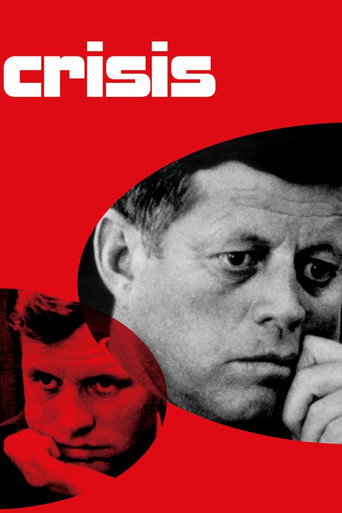
During a two-day period before and after the University of Alabama integration crisis, the film uses five camera crews to follow President John F. Kennedy, attorney general Robert F. Kennedy, Alabama governor George Wallace, deputy attorney general Nicholas Katzenbach and the students Vivian Malone and James Hood. As Wallace has promised to personally block the two black students from enrolling in the university, the JFK administration discusses the best way to react to it, without rousing the crowd or making Wallace a martyr for the segregationist cause. Preserved by the Academy Film Archive in partnership with The Film Foundation in 1999.
On the Road with Duke Ellington
Documentary portrait of the legendary jazz bandleader. Preserved by the Academy Film Archive in partnership with The Film Foundation in 2000.
Primary
Primary is a documentary film about the primary elections between John F. Kennedy and Hubert Humphrey in 1960. Primary is the first documentary to use light equipment in order to follow their subjects in a more intimate filmmaking style. This unconventional way of filming created a new look for documentary films where the camera’s lens was right in the middle of what ever drama was occurring. Preserved by the Academy Film Archive in partnership with The Film Foundation in 1998.
Primary
Primary is a documentary film about the primary elections between John F. Kennedy and Hubert Humphrey in 1960. Primary is the first documentary to use light equipment in order to follow their subjects in a more intimate filmmaking style. This unconventional way of filming created a new look for documentary films where the camera’s lens was right in the middle of what ever drama was occurring. Preserved by the Academy Film Archive in partnership with The Film Foundation in 1998.
For Auction: An American Hero
Directed by Robert Drew.
Gallery