Sound
No biography available.
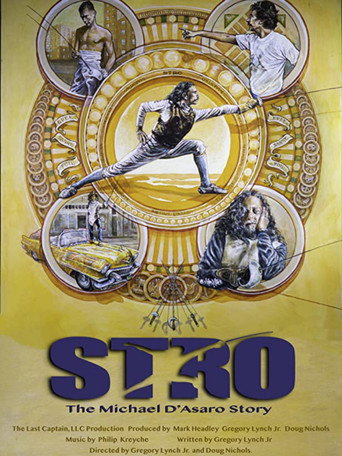
Michael D'Asaro was a world ranked saber fencer before becoming a collegiate championship coach. He was a man constantly in search of reinvention who taught life lessons through the medium of fencing.
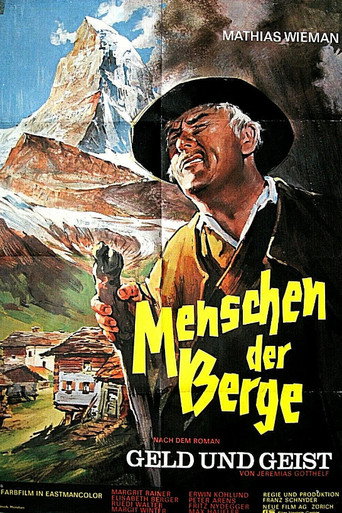
The farmer Christen, his wife Änneli, their sons Resli and Christeli, and their daughter Annelisi live together harmoniously on the Liebiwyl farm. The harmony is disrupted when Christen allows himself to be persuaded by the deceitful village clerk to speculate with his ward's money. As a result, all the money is lost, and the defrauded farmer has to pay the community for the damage out of his own pocket. This angers Änneli, whose great willingness to help is thwarted by Christen, who is becoming increasingly stingy. One harsh word leads to another, and soon the couple is facing a shambles. The children also suffer from the unfriendly atmosphere at home. Only a visit to church on Pentecost and the corresponding sermon make reconciliation possible.
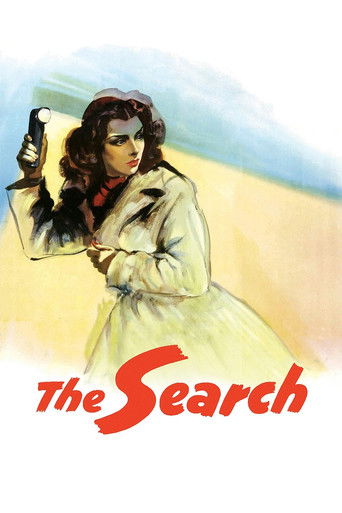
In postwar Germany, a displaced Czech boy, separated from his family during wartime, is befriended by an American GI while the boy's mother desperately searches for him.
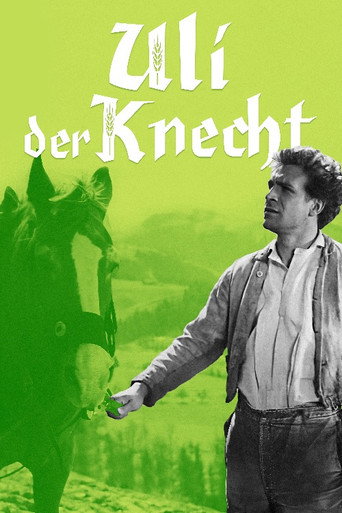
The film traces Uli's progress from his humble peasant surroundings to the homes of the wealthy and prominent. The characterizations are convincing, and the comic interludes surprisingly subtle and believable for a Swiss film. The no-star cast doomed Uli Der Knecht from the start so far as American distribution was concerned. It was another matter in Switzerland, where the film was one of the year's top moneymakers. Uli der Knecht was based on a novel by Jeremias Gottbelf.
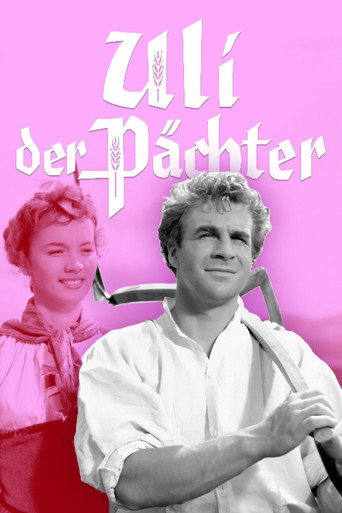
Uli has been the tenant of the "Glunggen-farm" for two years. His wife Vreneli gave him two children and the couple is happy. But this year, the harvest looks bad and his landlord calls in the rent, as the old man urgently needs money to satisfy the demands of his son and stepson. Desperate to make ends meet, Uli fraudulently sells a cow knowing that she does not produce any milk. He is pursued in court but is acquitted. But then, the buyer curses him... and disaster promptly strikes.
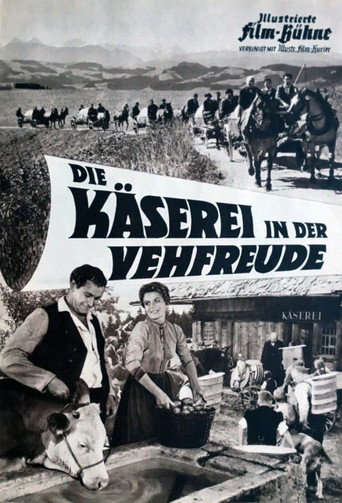
The farmers of a village decide to postpone the construction of a new school in profit of a concentration to cheese production. From a novel by Jeremias Gotthelf.
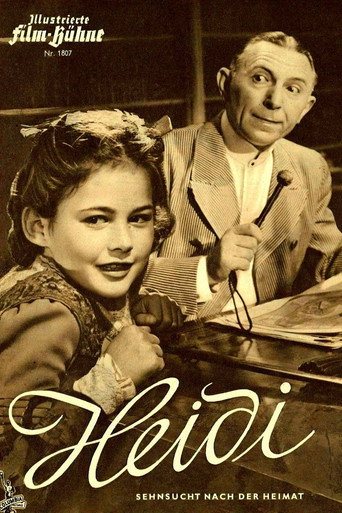
Heidi, a young orphan girl living with her aunt in Frankfurt, is forced to move to the Swiss Alps to live with her ornery grandfather. At first, he resents her presence, but, after a short while, Heidi manages to pierce his gruff exterior, and the two become close. She also befriends a young shepherd named Peter. After three years, Heidi's aunt arrives and demands Heidi's return to Frankfurt.
The story revolves around the confusion that arises when a supposed gold discovery in Valais divides the village community. The plot combines elements of a cultural film about old customs in the Lötschental valley with a naive storyline that achieves a strangely powerful effect through its simple realism.
A serious Swiss melodrama/documentary about abortion, marketed as a sexy exploitation movie in the US. The film contains real medical footage.
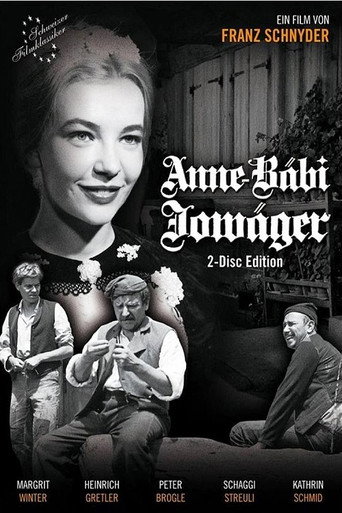
The trials of the wealthy Emmentaler farming family Jowäger, adapted from the 19th century novel of the same name by Jeremias Gotthelf (pen-name of Albert Bitzius), which was also published in two parts.
The further trials of the wealthy Emmentaler farming family Jowäger and their neighbors, adapted from the second volume of the 19th century novel by Jeremias Gotthelf (pen-name of Albert Bitzius).