Robert Beavers Movies, TV Shows, and Filmography
Robert Beavers
Directing
Biography
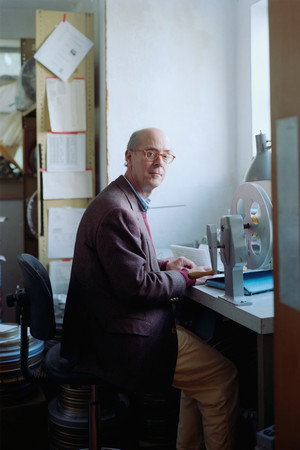
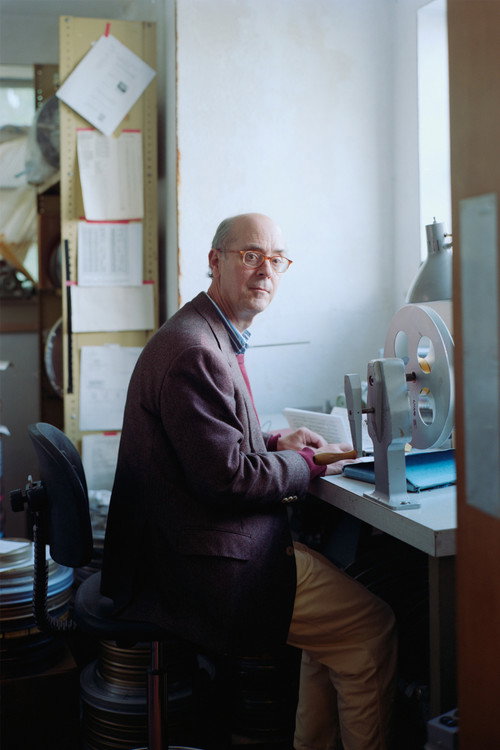
Robert Beavers (born 1949) is an American experimental filmmaker whose work stands among the most significant in postwar avant-garde cinema. He is best known for My Hand Outstretched to the Winged Distance and Sightless Measure, an 18-film cycle spanning decades of work, much of it later re-edited. Beavers developed a distinctive visual language using hand-cut mattes, filters, and precise sound–image structures, often focusing on craft and manual labor as metaphors for filmmaking itself. Born in Brookline, Massachusetts, he began making films in New York before moving to Europe in 1967 with his partner, Gregory J. Markopoulos. Together they withdrew their films from distribution, presenting them only at the Temenos screenings in Arcadia, Greece (1980–86). After Markopoulos’s death in 1992, Beavers founded Temenos, Inc. to preserve both of their legacies. His films draw deeply on place and history, from Florence in From the Notebook of… (1971/1998) and Venice in Ruskin (1975/1997) to the Greek landscapes of Wingseed (1985), The Hedge Theater (1986–90/2002), and The Ground (1993–2001). Later works include Pitcher of Colored Light (2007), The Suppliant (2012), Listening to the Space in My Room (2013), and The Sparrow Dream (2022). Beavers continues to live and work between Berlin and Massachusetts with filmmaker Ute Aurand, while overseeing the preservation of both his own films and Markopoulos’s Eniaios.
Filmography Movies
Acting
Zuoz
Filmed in Switzerland and released as part of a triptych with A Walk, Zuoz features the filmmaker Robert Beavers skating on ice. Beavers represents another “new beginning” in Aurand’s practice. She recalls seeing his work in the late ‘90s and “enter[ing] a space beyond the images where one is entirely within oneself and simultaneously in the world … where one is simply present and receives the full gift of the film.”
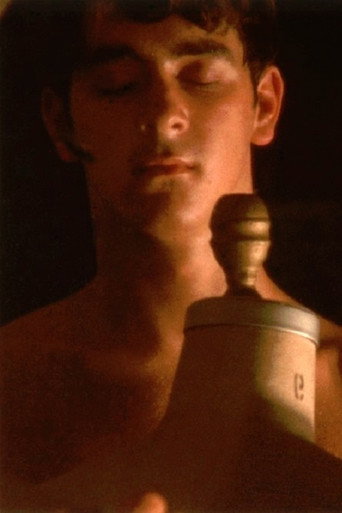
Eros, O Basileus
Structured in nine tableaux each a study of a simple action or situation involving a lone, naked figure, the blind Eros, searching for fulfilment, for self. The objects he touches - books, paintings - can be seen as icons of the creative spirit; there is also a motor cycle and film equipment. In succeeding scenes he appears to try on identities offered by institutional doctrines of religion and social traditions of (overt) masculinity. Much of the film was constructed in-camera with a small amount of editing afterwards. An innovation was the use of in-camera fade-outs as phrase markers, not as terminal points, within a single set-up or shot.
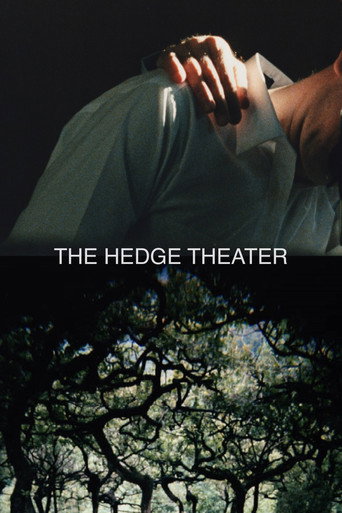
The Hedge Theater
Filmed in Rome in the 1980s, the work draws on Borromini’s Baroque architecture and Il Sassetta’s St. Martin and the Beggar. Beavers contrasts winter’s subdued light with the verdant growth of spring, constructing a precise montage in which image and sound form a poetic dialogue.
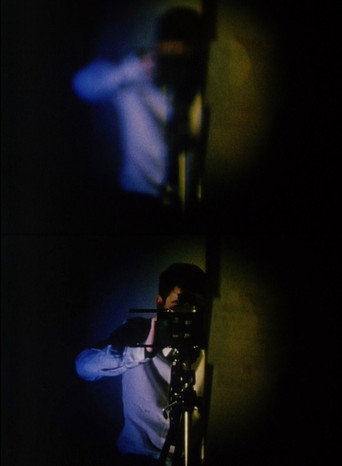
Early Monthly Segments
Filmed when Beavers was 18–19, this self-portrait depicts him and Gregory J. Markopoulos in their Swiss apartment. A diary of domestic life, it transforms everyday objects and intimate details into a charged meditation on love, memory, and desire.
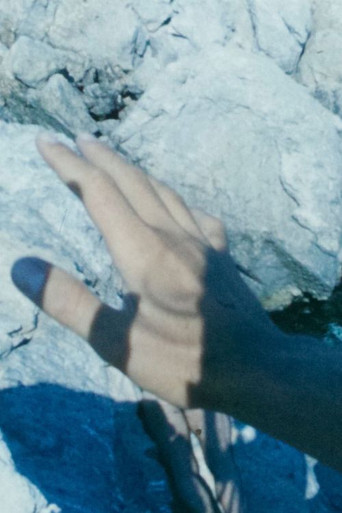
Winged Dialogue
An early exploration of intimacy and perception, the film portrays the body’s beauty and sexuality as animated by the soul. Through dissolving and vanishing images, Beavers creates a sensuous interplay of touch, memory, and after-image, leaving an imprint on both eye and mind.
Plan of Brussels
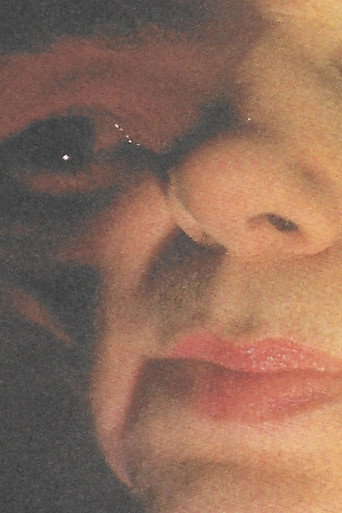
Filmed in a Brussels hotel room, Beavers alternates between his work desk and lying nude on the bed, while rapid cuts and superimpositions conjure a rush of street scenes and fleeting encounters. The film abandons narrative for a psychic montage of memory, desire, and urban impression.
Birth of a Nation
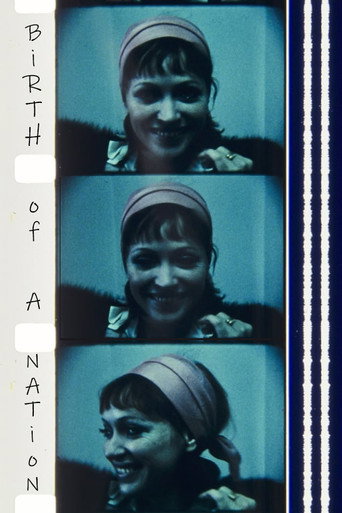
Jonas Mekas assembles 160 portraits, appearances, and fleeting sketches of underground and independent filmmakers captured between 1955 and 1996. Fast-paced and archival in spirit, the film celebrates the avant-garde as its own “nation of cinema,” a vital community existing outside the dominance of commercial film.
From the Notebook of...
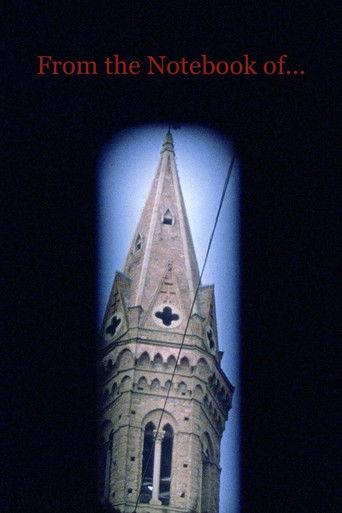
Shot in Florence, the film draws on Leonardo da Vinci’s notebooks and Paul Valéry’s essay on da Vinci’s creative process to explore parallels between Renaissance space and the moving image. Beavers employs rapid pans and tilts along the city’s facades, interspersed with glimpses of his own face, linking camera movement to the filmmaker’s investigative gaze. The work marks a turning point in his practice, foregrounding presence and perception as central to his method. (Note: The film was re-edited and re-released in 1999.)
Listening to the Space in My Room
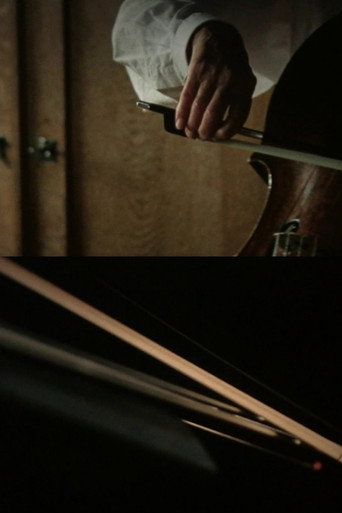
A portrait of a recently vacated home, the film evokes both memory and the lingering presence of past inhabitants. Through precise, enigmatic sound–image construction, Beavers crafts an intimate meditation on art, existence, and the search for meaning.
Production
From the Notebook of...
Shot in Florence, the film draws on Leonardo da Vinci’s notebooks and Paul Valéry’s essay on da Vinci’s creative process to explore parallels between Renaissance space and the moving image. Beavers employs rapid pans and tilts along the city’s facades, interspersed with glimpses of his own face, linking camera movement to the filmmaker’s investigative gaze. The work marks a turning point in his practice, foregrounding presence and perception as central to his method. (Note: The film was re-edited and re-released in 1999.)
Listening to the Space in My Room
A portrait of a recently vacated home, the film evokes both memory and the lingering presence of past inhabitants. Through precise, enigmatic sound–image construction, Beavers crafts an intimate meditation on art, existence, and the search for meaning.
Amor
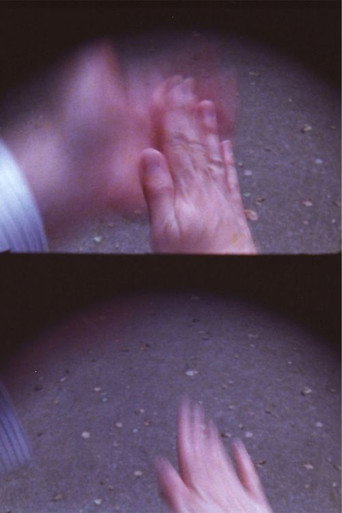
Shot in Rome and Salzburg’s natural theatre, the film uses cutting and sewing as metaphors for love, separation, and the craft of montage. Cloth being trimmed, hands clapping, and tools striking accompany images of tailoring, architectural restoration, and Beavers himself in a new suit, linking gesture and sound to the editing process.
Ruskin
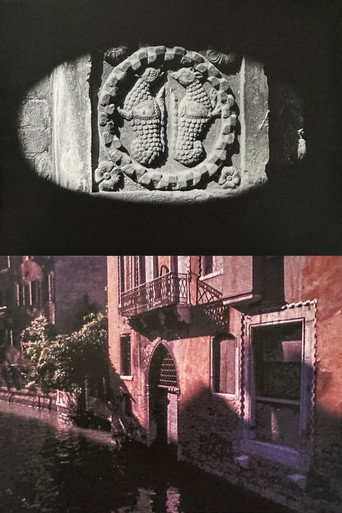
Beavers traces John Ruskin’s legacy from London to the Alps and especially Venice, where the camera lingers on stone and water in dialogue with Ruskin’s writings. Turning pages and images of Unto This Last evoke the critic’s enduring perceptions and political vision, preserved through acts of reading.
The Sparrow Dream
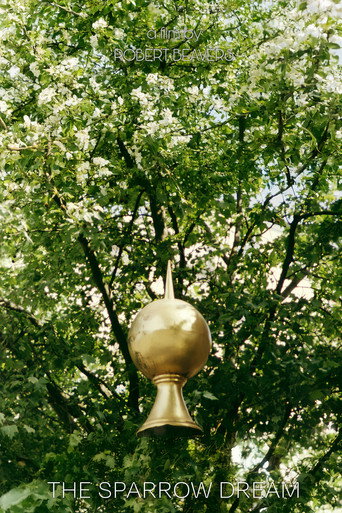
Beavers revisits locations in Berlin first filmed in Diminished Frame (1970), alongside sites in Massachusetts, to reflect on how lived places shape vision and memory. Moving between past and present, the film becomes a meditation on perception, time, and the persistence of personal landscapes.
Sotiros
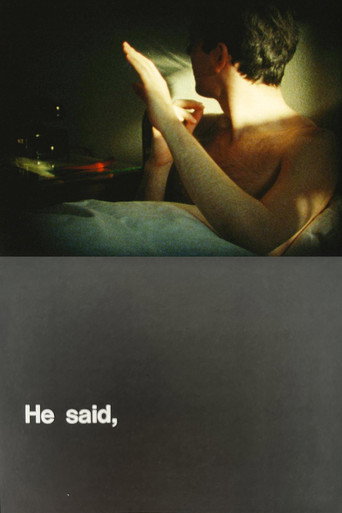
Distilled in 1996 from an earlier 50-minute trilogy, this 26-minute film was shot in Greece and Austria and structured around two recurring intertitles, “He said” and “he said.” Each introduces delicate studies of light and place—hotel interiors, cafés, hillsides, storefronts, and street life—framed in parallel variations. The title invokes Apollo as savior and healer.
Diminished Frame
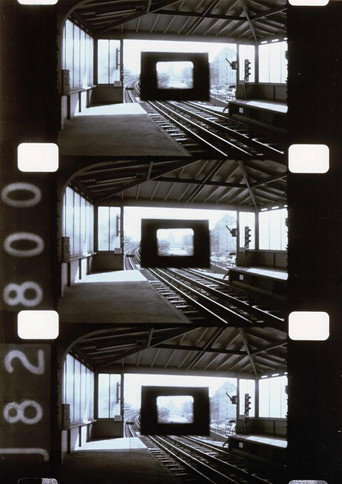
“There is a balance between a sense of the past seen in the views of West Berlin, filmed in black & white, and a sense of the present in which I filmed myself showing how the colour is created by placing filters in the camera’s aperture. I searched for signs of war’s aftermath and a few moments of daily life.” - Robert Beavers
Early Monthly Segments
Filmed when Beavers was 18–19, this self-portrait depicts him and Gregory J. Markopoulos in their Swiss apartment. A diary of domestic life, it transforms everyday objects and intimate details into a charged meditation on love, memory, and desire.
Early Monthly Segments
Filmed when Beavers was 18–19, this self-portrait depicts him and Gregory J. Markopoulos in their Swiss apartment. A diary of domestic life, it transforms everyday objects and intimate details into a charged meditation on love, memory, and desire.
Early Monthly Segments
Filmed when Beavers was 18–19, this self-portrait depicts him and Gregory J. Markopoulos in their Swiss apartment. A diary of domestic life, it transforms everyday objects and intimate details into a charged meditation on love, memory, and desire.
Gallery