Robert Aldrich Movies, TV Shows, and Filmography
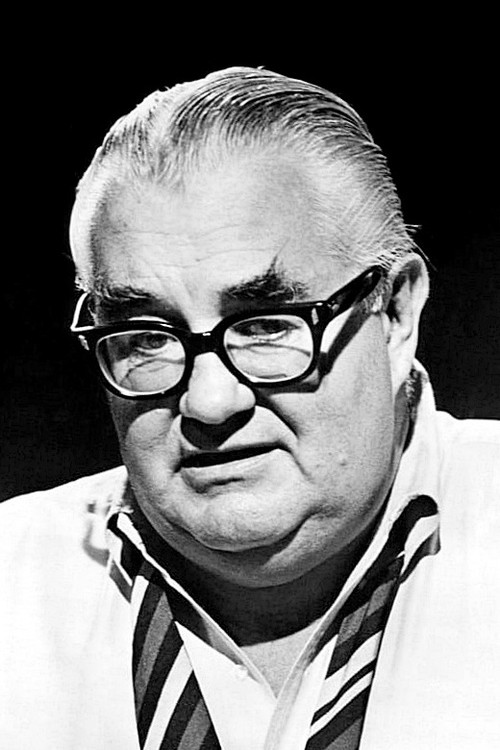
Robert Aldrich
Directing
Biography
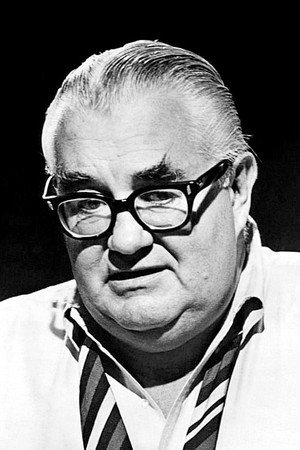
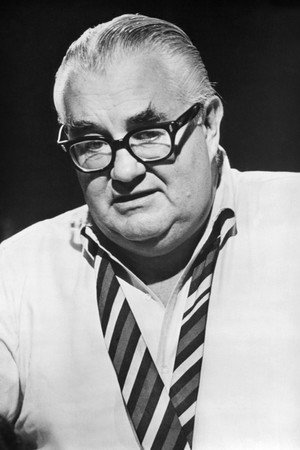
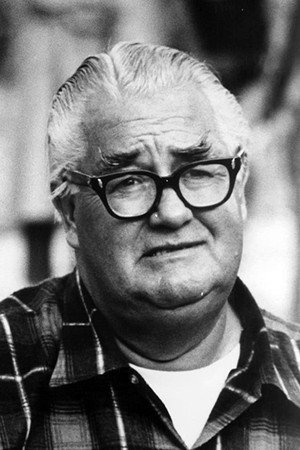
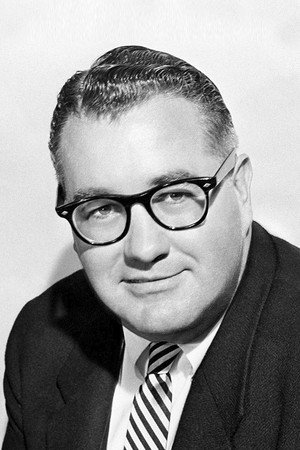
Robert Aldrich was an American film director, writer and producer, notable for such films as Kiss Me Deadly (1955), The Big Knife (1955), What Ever Happened to Baby Jane? (1962), The Dirty Dozen (1967). Born in Cranston, Rhode Island, the son of Lora Lawson and newspaper publisher Edward Burgess Aldrich. He was a grandson of U.S. Senator Nelson W. Aldrich and a cousin of Nelson Rockefeller. He studied economics at the University of Virginia. In 1941, he dropped out of college for a $50-a-week job at RKO Radio Pictures. In doing so, he was also dropped by his family, losing a potential stake in Chase Bank he would have inherited. It's been said that "No American film director was born as wealthy as Aldrich—and then so thoroughly cut off from family money." He quickly rose in film production as an assistant director, and worked with Jean Renoir, Abraham Polonsky, Robert Rossen, Joseph Losey and Charlie Chaplin as an assistant on Limelight. He became a television director in the 1950s, directing his first feature film, Big Leaguer, in 1953. During the 1950s, Aldrich directed mostly action films like Apache and Vera Cruz with Burt Lancaster. Aldrich soon gained recognition as an auteur filmmaker, depicting his liberal humanist thematic vision in many genres, in films such as Kiss Me Deadly (1955), a film noir classic, The Big Knife (1955), an adaptation of Clifford Odets's play about Hollywood business, and Attack (1956), a WWII infantry combat film exploring how U.S. Army careerism determined who attacked and who ordered the attack. In the 1960s, he directed several commercially successful films, such as the gothic horror stories What Ever Happened to Baby Jane? (1962), with Bette Davis and Joan Crawford as spiteful sisters and faded child-actresses, Hush… Hush, Sweet Charlotte, with Bette Davis as a Southern woman who lives in a mansion and thinks she is going insane (both Joan Crawford and Davis were to appear, but Crawford left the film); the controversial The Killing of Sister George (1968); and the hugely popular war film The Dirty Dozen (1967). The success of The Dirty Dozen allowed him to establish his own production studio for some time, but several failures forced his return to conventionally commercial Hollywood films. Nevertheless, his humanism is evident in The Longest Yard (1974), about the rigged-game politics, and Ulzana's Raid (1972) an uncompromising film based on the real life break-out from an Indian reservation of a band led by chief Ulzana, the extreme violence and torture they exacted upon isolated pioneer families in the Arizona territory, and their pursuit by the US cavalry. From his marriage to Harriet Foster (1941–65), Robert Aldrich had four children, all of whom work in the film business: Adell, William, Alida and Kelly. Aldrich died of kidney failure on December 5, 1983 in a Los Angeles hospital. Film critic John Patterson summarized his career in 2012: "He was a punchy, caustic, macho and pessimistic director, who depicted corruption and evil unflinchingly, and pushed limits on violence throughout his career. His aggressive and pugnacious film-making style, often crass and crude, but never less than utterly vital and alive, warrants – and will richly reward – your immediate attention."
Filmography Movies
Acting
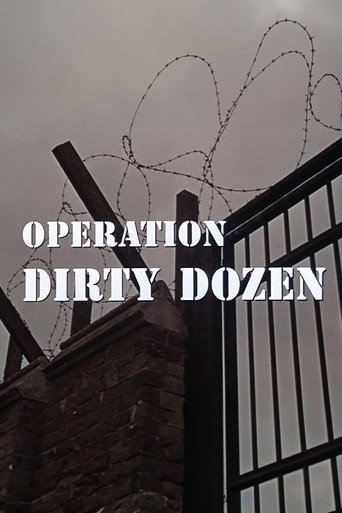
Operation Dirty Dozen
A short film looking behind the scenes at the making of The Dirty Dozen. Showing many scenes being filmed just north of London, the short focuses mostly on star Lee Marvin enjoying his pursuits on his one day off a week.
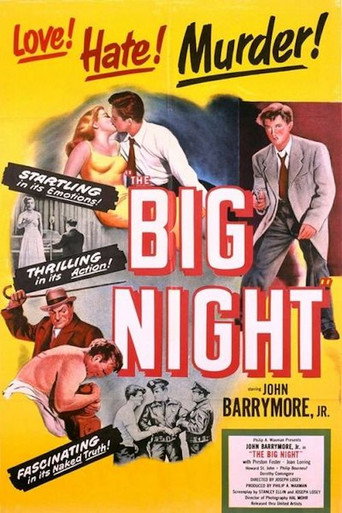
The Big Night
A young man zigzags through the sordid vortex of downtown Los Angeles while seeking vengeance on the man that beat his father.

Lionpower from MGM
"Lionpower from MGM" (1967) is an exciting 60's promotional short subject, which showcases MGM's releases for the 1967-68 film season under a "five seasons" theme--fall, winter, spring, summer--plus a "fabulous fifth season". The main music is set to the rousing theme from "The Magnificent Yankee" composed by David Raksin in 1950. The promo is narrated by some of the best voice-over actors of the time, and is an excellent time capsule of a by-gone era.
Production
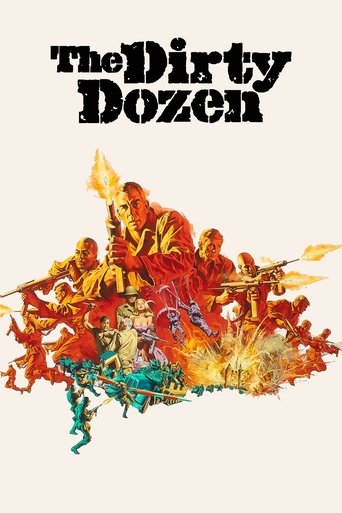
The Dirty Dozen
12 American military prisoners in World War II are ordered to infiltrate a well-guarded enemy château and kill the Nazi officers vacationing there. The soldiers, most of whom are facing death sentences for a variety of violent crimes, agree to the mission and the possible commuting of their sentences.
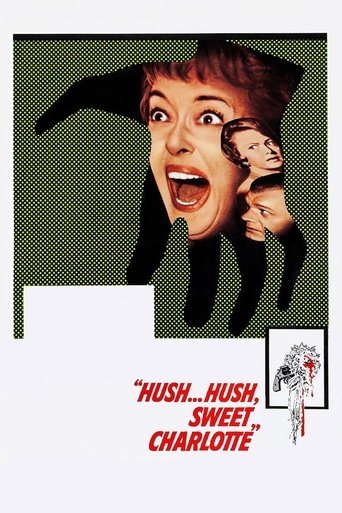
Hush... Hush, Sweet Charlotte
An aging, reclusive Southern belle plagued by a horrifying family secret descends into madness after the arrival of a lost relative.
Hush... Hush, Sweet Charlotte
An aging, reclusive Southern belle plagued by a horrifying family secret descends into madness after the arrival of a lost relative.
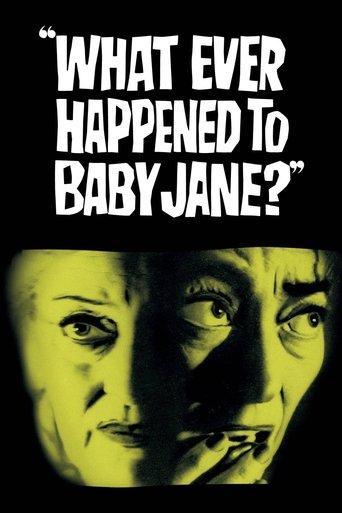
What Ever Happened to Baby Jane?
A former vaudeville child star viciously torments her paraplegic sister in their decaying Hollywood mansion.
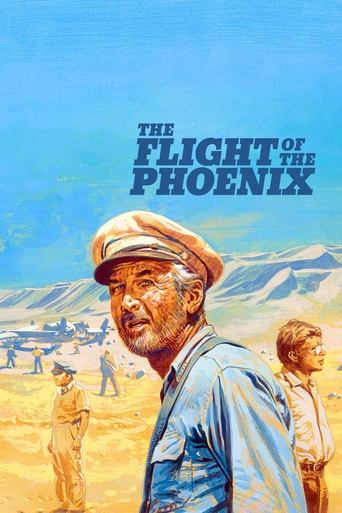
The Flight of the Phoenix
A cargo aircraft crashes in a sandstorm in the Sahara with less than a dozen men on board. One of the passengers is an airplane designer who comes up with the idea of ripping off the undamaged wing and using it as the basis for a replacement aircraft they need to build before their food and water run out.
The Flight of the Phoenix
A cargo aircraft crashes in a sandstorm in the Sahara with less than a dozen men on board. One of the passengers is an airplane designer who comes up with the idea of ripping off the undamaged wing and using it as the basis for a replacement aircraft they need to build before their food and water run out.
What Ever Happened to Baby Jane?
A former vaudeville child star viciously torments her paraplegic sister in their decaying Hollywood mansion.
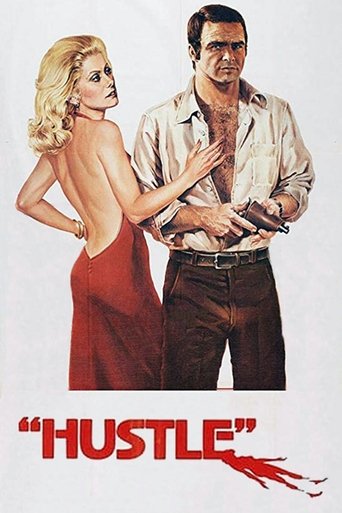
Hustle
The body of teenager Gloria Hollinger is found dead on a Los Angeles beach, and Lt. Phil Gaines is in charge of the investigation. Gaines learns that the girl, a stripper and prostitute, committed suicide, but he ignores the connection between her and a powerful mob lawyer, Leo Sellers. Hollinger's father, however, is not satisfied with Gaines's results, and attempts to investigate the case on his own.
Hustle
The body of teenager Gloria Hollinger is found dead on a Los Angeles beach, and Lt. Phil Gaines is in charge of the investigation. Gaines learns that the girl, a stripper and prostitute, committed suicide, but he ignores the connection between her and a powerful mob lawyer, Leo Sellers. Hollinger's father, however, is not satisfied with Gaines's results, and attempts to investigate the case on his own.
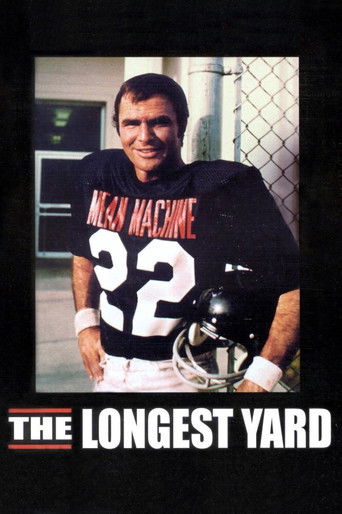
The Longest Yard
A football player-turned-convict organizes a team of inmates to play against a team of prison guards. His dilemma is that the warden asks him to throw the game in return for an early release, but he is also concerned about the inmates' lack of self-esteem.
Gallery