Rita Loureiro Movies, TV Shows, and Filmography

Rita Loureiro
Acting
Biography
No biography available.
Filmography Movies
Acting

Jogos de Enganos
A respectable family falls into crisis when their extensive apple orchard is ruined. Delgado, a wealthy industrialist from the North, has just arrived in the village, apparently with good intentions. Desperate to keep up appearances, the Major and D. Lúcia introduce him to their innocent and eccentric daughter, Cilinha, who is only interested in her singing lessons. They entice him with the prospect of a rich dowry, but they are unaware that Delgado is not quite who he appears to be...
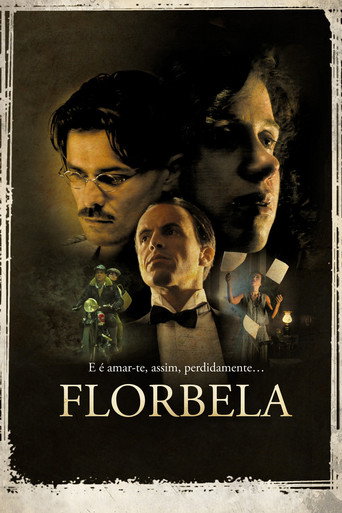
Florbela
Shaken by a divorce in the 1920s, Portuguese poetess Florbela Espanca uses her writing to deal with her tumultuous relationship with men, eroticism and love.

O Delfim
A wealthy landowner, "The Dauphin," enjoys a decadent life of hunting, drinking, and womanizing. He oversees his estate, the Laguna, with his barren wife, his one-armed manservant, and his treasured guard dog. When a sportsman (the film’s narrator) comes to the estate for his annual duck-hunting excursion, he discovers the body of the landowner’s wife floating in the lagoon and the manservant dead on his master’s bed. The Dauphin and his dog are nowhere to be found except for the mysterious barking sounds heard over the lagoon.

Under My Skin
On a day like any other, a woman leaves work and heads to a party in the outskirts of Lisbon. On her way there she sees a man ready to jump off a bridge. She stops the car and approaches the man, trying to save him.

Moonfish
A summer film. About summers. Two seasons splitting it apart by half a dozen years, the youth years – time it takes its characters to realise they’re getting lonely. Hellish summer ends and we’re on a little fishing village, river-side, in Lisbon’s south bank: people make life-changing decisions.

Lent
David has a wife and young daughter. In a few days he will be moving abroad with his family. The death of his grandfather obliges him to return to the village of his birth and a family he hasn’t seen in years. There he meets his cousin's wife Ana, who intrigues him, and this trip, which should have ended with the funeral, turns into a long stay.
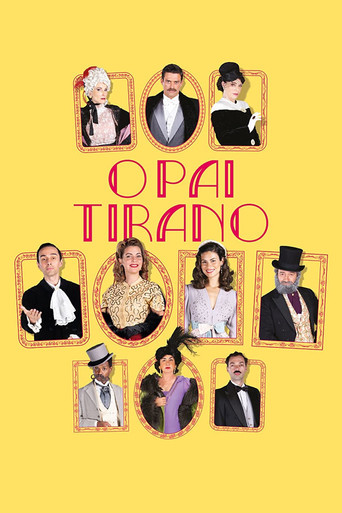
The Tyrant Father
This remake of the 1940 film with the same name tells the story of a theatre company, its men and women in love, mistakes and misunderstandings. Chico loves Tatão, who is courted by Artur. Graça loves Chico, but doesn't know he loves Tatão. Santana writes a play for the Grandelinhas that will serve as a guide to Chico passion and convince Tatão that he is a rich count. The play is then staged and they all end up in prison.
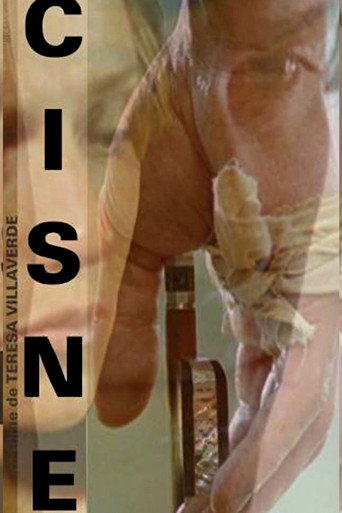
Cisne
Vera is a singer in her thirties; she is back in Lisbon for the final performance of her concert tour. The heat and beauty of Lisbon makes one want to be happy. Pablo, the companion she selected from among the many who answered her questionnaire, helps her through the sleepless nights. He has no family, but wishes he had. Vera concerns herself with the mysteries surrounding Pablo's life. Vera is not afraid of the night; she is not afraid of anything.
A Tremonha de Cristal
Armando, the only grandson of an old worker of Salinas de Aveiro, studies music in France and any news from him is scarce. The grandfather Abilio then decides to send him a letter announcing his death and Armando rushes to return.
Gallery