Production
No biography available.
Non-US directors speak about the idiosyncrasies of filmmaking in their respective countries. Because of the difficulty of financing, very few American film directors establish a body of work. For American women directors, the problem is two-fold. But in Europe, Canada, and some countries of South America, filmmaking is often government subsidized, making it possible for filmmakers to become prolific in their craft.
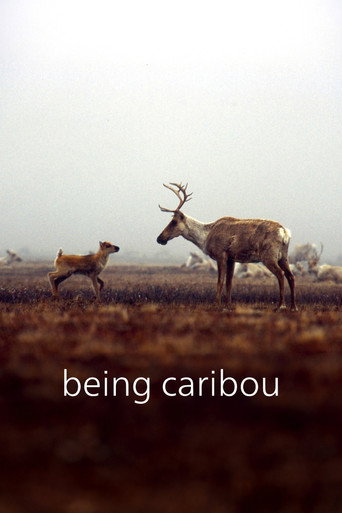
Wildlife biologist Karsten Heuer and his wife, environmentalist Leanne Allison follow a herd of 120,000 caribou on foot across 1500 km of Arctic tundra, hoping to raise awareness of the threats to the caribou's survival. Along this journey, they brave torrid conditions, dangerous wildlife and treacherous terrain all in the hopes of learning the truth about this epic migration.
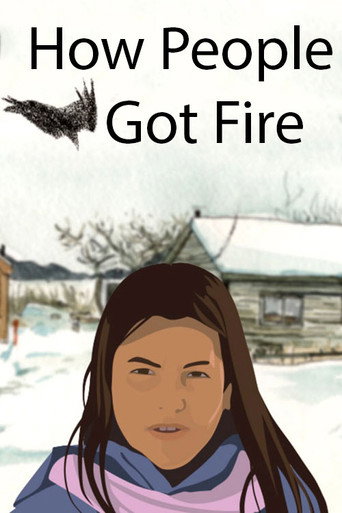
This introspective short animation takes place In the village of Carcross, in the Tagish First Nation. Neighbourhood pillar Grandma Kay tell the local children the tale of how Crow brought fire to people. As the story unfolds, we also meet 12-year-old Tish, an introspective, talented girl who feels drawn to the elder. Here, past and present blend, myth and reality meet, and the metaphor of fire infuses all in a location that lies at the heart of this Native community’s spiritual and cultural memory.
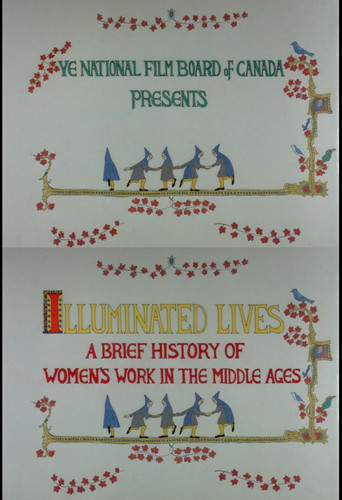
This animated short challenges enduring myths, spawned by fairy tales and romances, about women in medieval society. It explores the differences and similarities between that distant period and our own, and shows what medieval women’s lives were really like.
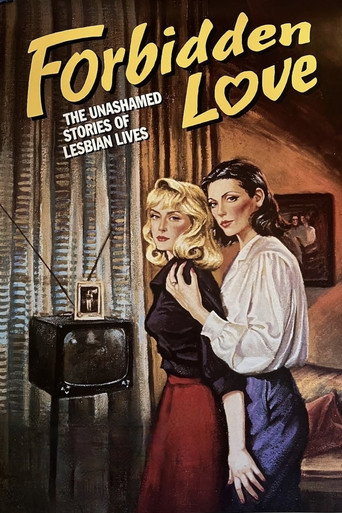
Ten women in Canada talk about being lesbian in the 1940s, 1950s, and 1960s: discovering the pulp fiction of the day about women in love, their own first affairs, the pain of breaking up, frequenting gay bars, facing police raids, men's responses, and the etiquette of butch and femme roles. Interspersed among the interviews and archival footage are four dramatized chapters from a pulp novel, "Forbidden Love".
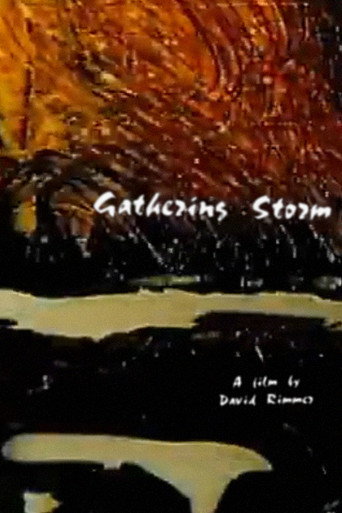
A hauntingly beautiful film about the world's flight into chaos. Rimmer has taken McLaren's camera-less technique to new heights. He paints directly on clear 35mm leader, using odd materials such as household cleaners, varnish, inks and sometimes fish scales and ferns. He feeds the loops through a film editing machine, overlays them with music and records the result with a mini DV camera. A production of the National Film Board of Canada.
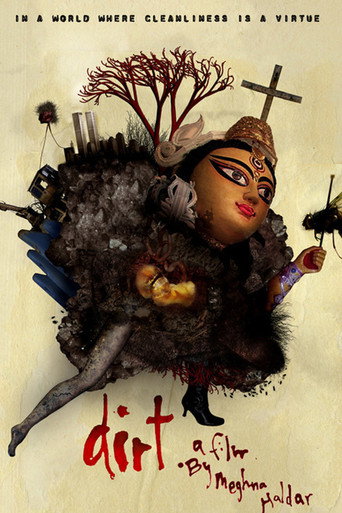
This feature documentary is an exploration of the concept of dirt and impurity. From the slums of Kolkata to Vancouver's Downtown Eastside to a barbeque joint in Central Texas, Dirt digs deep into the webs of meaning and feeling attached to that deceptively simple 4-letter word. An odyssey into all things unclean, the film features animation to make Hieronymus Bosch blush and music from Godspeed You! Black Emperor.
This documentary tells the story of a Chinese cemetery in BC that became a National Heritage site. For Chinese pioneers who died in Canada, Victoria's Chinese Cemetery at Harling Point was a temporary resting place until their bones could be returned home. (Traditional Chinese belief says that the soul of a person who dies in a foreign place wanders lost until their bones are returned home.) This film traces the rich history of the Vancouver Island cemetery from controversy and neglect to its revival as a historic site. Told by those closest to it, the story of Harling Point is a metaphor for Canada, a country still working on making a home for all who live within its borders.
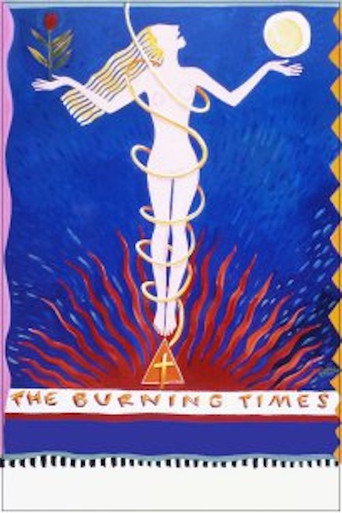
This documentary takes an in-depth look at the witch hunts that swept Europe just a few hundred years ago. False accusations and trials led to massive torture and burnings at the stake and ultimately to the destruction of an organic way of life. The film questions whether the widespread violence against women and the neglect of our environment today can be traced back to those times.
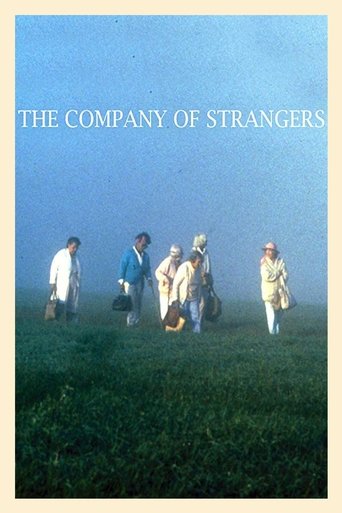
A busload of women become stranded in an isolated part of the Canadian countryside. As they await rescue, they reflect on their lives through a mostly ad-libbed script.
Pia Yona Massie's Sayonara Super 8 uses personal archival footage to ask questions about the fragile nature of memory, human relationships and the foibles of the medium itself.