Riho Västrik Movies, TV Shows, and Filmography
Riho Västrik
Production
Biography
No biography available.
Filmography Movies
Production
Immortal
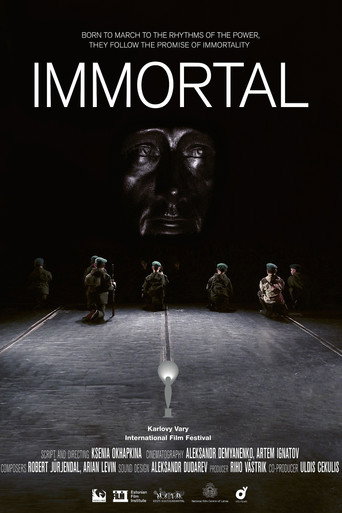
Apatity, a far-north industrial town in Russia, first came into being as a USSR concentration camp. Although its environment is at the brink of ecological disaster, the people here still believe in the state’s promise of immortality that can be gained through sacrificial service to the fatherland. This is how the elite in a totalitarian state buy a person’s will, strength, talent and, indeed, life, turning the human being into another resource that is as faceless as a grey lump of ore. ‘I cannot fight big corporations or state structures with a film. But I hope that there is someone in the darkness of the cinema whose heart will get a bit warmer after seeing it,’ says the director. The larger part of the film was shot during the polar night.
The Burden of Fire
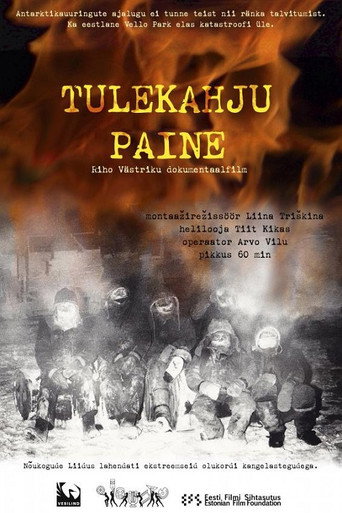
In 1982, a fire broke out in the Soviet Antarctic research station Vostok and destroyed the station's power plant. The expedition was left without light or heating right before the four-month long polar night set in, with an outside temperature of -70 °C. The men decided not to ask for help, because they knew that it was nowhere to be found.
The Burden of Fire
In 1982, a fire broke out in the Soviet Antarctic research station Vostok and destroyed the station's power plant. The expedition was left without light or heating right before the four-month long polar night set in, with an outside temperature of -70 °C. The men decided not to ask for help, because they knew that it was nowhere to be found.
The Burden of Fire
In 1982, a fire broke out in the Soviet Antarctic research station Vostok and destroyed the station's power plant. The expedition was left without light or heating right before the four-month long polar night set in, with an outside temperature of -70 °C. The men decided not to ask for help, because they knew that it was nowhere to be found.
The Burden of Fire
In 1982, a fire broke out in the Soviet Antarctic research station Vostok and destroyed the station's power plant. The expedition was left without light or heating right before the four-month long polar night set in, with an outside temperature of -70 °C. The men decided not to ask for help, because they knew that it was nowhere to be found.
The Burden of Fire
In 1982, a fire broke out in the Soviet Antarctic research station Vostok and destroyed the station's power plant. The expedition was left without light or heating right before the four-month long polar night set in, with an outside temperature of -70 °C. The men decided not to ask for help, because they knew that it was nowhere to be found.
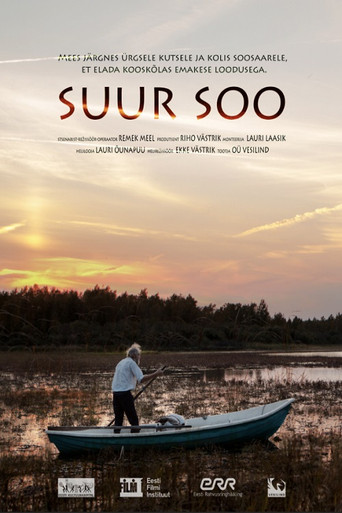
The Great Swamp
Vello moved to a secluded swamp island 30 years ago. He left his career and city life to live in harmony with mother nature. Vello makes a living from beekeeping and hunting, his life flows in the same rhythm as the nature around him.
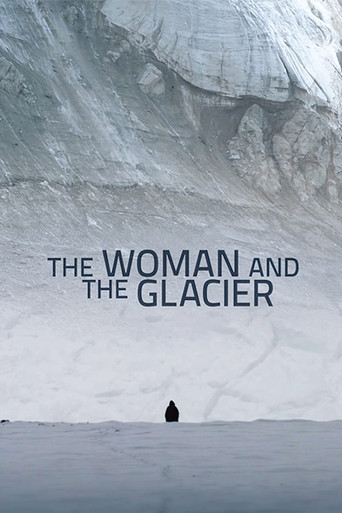
Woman and the Glacier
The Lithuanian scientist Ausra Revutaite has spent 30 years in the Tian Shan mountain range in Central Asia, straddling the borders between Kazakhstan, Kyrgyzstan and the autonomous Chinese region of Xinjiang. Some 3,500 meters above sea level with only her faithful dog and gray cat for company, she studies climate change on the Tuyuksu Glacier at an old Soviet-era research station. She loves the solitude and silence that her painstaking work brings her. Magnificent shots of her surroundings and everyday work are interspersed with archive footage of the people who preceded her by a century. Not much seems to have changed.
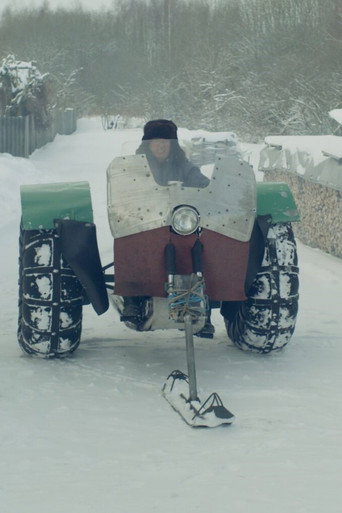
A Perfect Day For Karakat
A karakat is an unsinkable vehicle that every self-respecting resident of the Peipus shore assembles with his own hands. Originally intended to drive the owner to a fishing spot in the winter, today the karakat has become a unique “ice-taxi.” By observing several karakat-men’s routines, we aim to portray a fascinating culture of old-believers, self assembled hybrid vehicles and ice fishing in this part of Estonia.
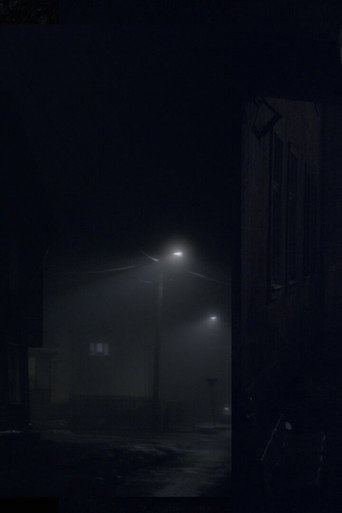
The River and A Cat
A dreamlike passage through the architecture of shapes created from light and shadow. This film is a cinematographic attempt to find an invisible city that exists in parallel to Tartu.
Gallery