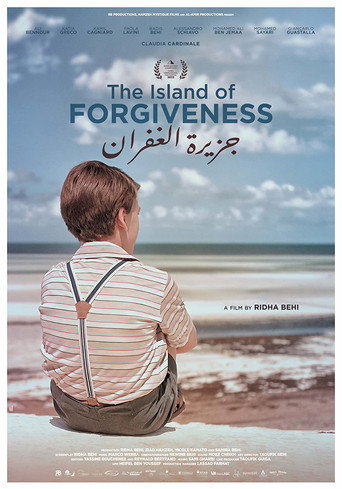
Directing
No biography available.
The contentment of community turns upside down as an American film crew invades its serenity. Seduction, greed, and betrayal devastates them all.
Focusing on key Arab films produced in the last 20 years. Férid Boughedir traces the development of the film-makers' concern to produce more socially aware cinema. Themes include the issue of Palestinian homeland rights and the nature of Arab identity. The film-makers also share a desire to develop a strong poetic tradition.
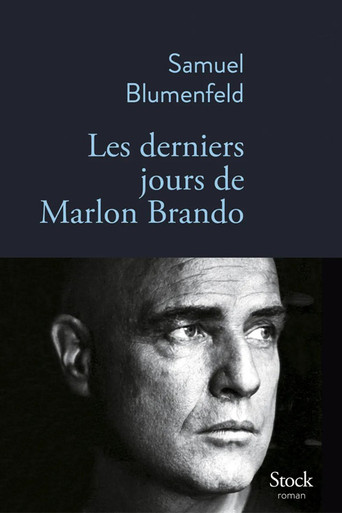
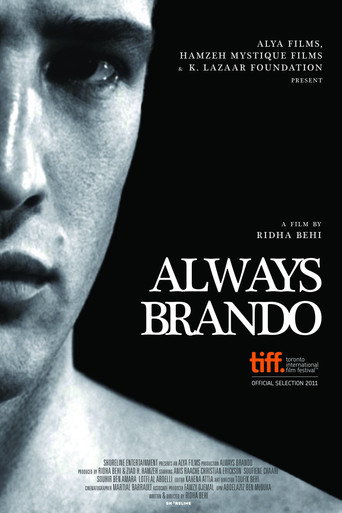
July 1, 2004, Hollywood lost one of its biggest stars - Marlon Brando. He succumbs to pulmonary fibrosis at the age of 80. Even during his lifetime, the versatile actor was a legend. Surrounded by a unique aura and blessed with great talent, he advanced to become a celebrated star. But his private life resembles a Greek tragedy.
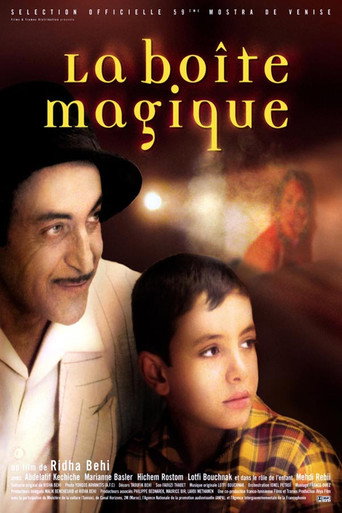
Over forty and in a bit of a midlife crisis, Tunisian film director Raouf is prone to excessive drinking when not engaged in an argument with his French-born wife Lou (Marianne Basler). One respite to Raouf's dreary life is a recent film assignment -- to shoot an autobiographical film about his childhood. While working on the script, Raouf recalls his childhood home life under the strictures instituted by his devoutly religious father. The polar opposite of Raouf's father was his uncle Mansour, a jolly, life-loving soul who introduced Raouf to cinema through his work as a wandering film projectionist, which angered and shocked his father to no end but proved to be the most pivotal development in the youngster's life. Through cinema, Raouf found his place in this world and came-of-age -- something he may have to revisit in his adult life if he wishes to salvage his marriage.
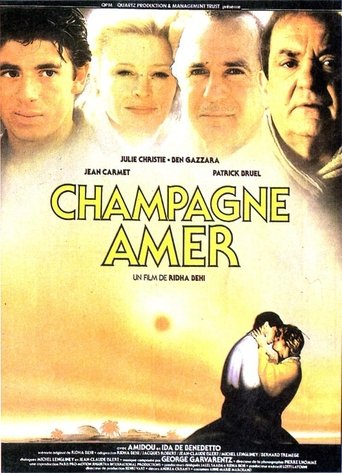
In North Africa, a father and his illegitimate son are in love with the same woman.
Slim Ben Fredj is a young man selling postcards to tourists in Kairouan. Frustrated and suffering in his wretched and miserable home, he spends most of his time wandering near hotels that are inaccessible to him and gazing at gorgeous women he will never be able to have.
Both sides of the Israeli-Palestinian conflict are sensitively explored in the Tunisian-French drama. Richard, a French TV journalist has been assigned to do a political story in Jerusalem the night before Yitzhak Rabin and Yasir Arafat sign their peace accord. Richard is glad to go as it gives him a chance to see his girlfriend Esther, a psychologist. Esther's father Moshe is continually tormented by his Holocaust memories. Hammoudi, nicknamed "Local Radio," is Richard's taxi driver and guide. He tells Richard the story of his family which was uprooted in 1948 resulting in the disappearance of his grandmother. Mysteriously, her picture appeared in a recent Arabic newspaper. Richard, intrigued, decides to center his investigations upon "Local Radio's" story. As he delves deeper into their lives he discovers that the ancient rivalries between the Israeli's and Palestinians is far too deep and complex to be easily explained away.
Centered on Salwa, a young woman in post-colonial Tunisia, the film portrays a youth torn between ambition and idealism, caught in the tension between opportunistic cynicism and social conscience. Salwa becomes a focal point for the hopes and disillusionments of her generation.
In a small, self-sufficient Tunisian fishing village, German developers set up a hotel infrastructure, with the complicity of local councillors. The lives of the villagers are turned upside down.
Andrea Licari, a Tunisian of Italian descent now 60 years of age, has become an accomplished author, college professor and a leading thinker in Rome. Today, Andrea finds himself facing the most challenging time of his life.